Wine, Wanderlust and Wonder. These three elements are increasingly shaping a new kind
of social currency in Nairobi, but around memorable experiences. Not too long ago, wine in
Kenya was largely associated with white tablecloth restaurants, hotel wine lists and special
occasions. Today, that perception is being completely rewritten.
Across Nairobi, a growing number of urban consumers are embracing wine as an everyday
cultural experience, one that blends discovery, food, entertainment and social connection.
From curated tastings and sommelier-led masterclasses to themed gatherings and
experiential events, wine is steadily finding a place within the city’s evolving lifestyle
landscape.

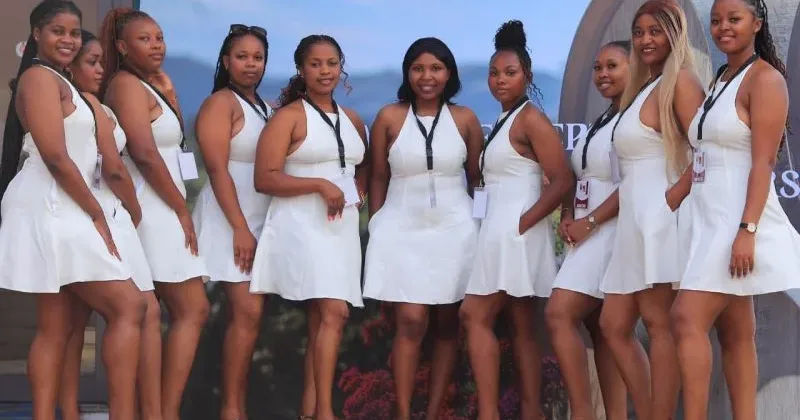
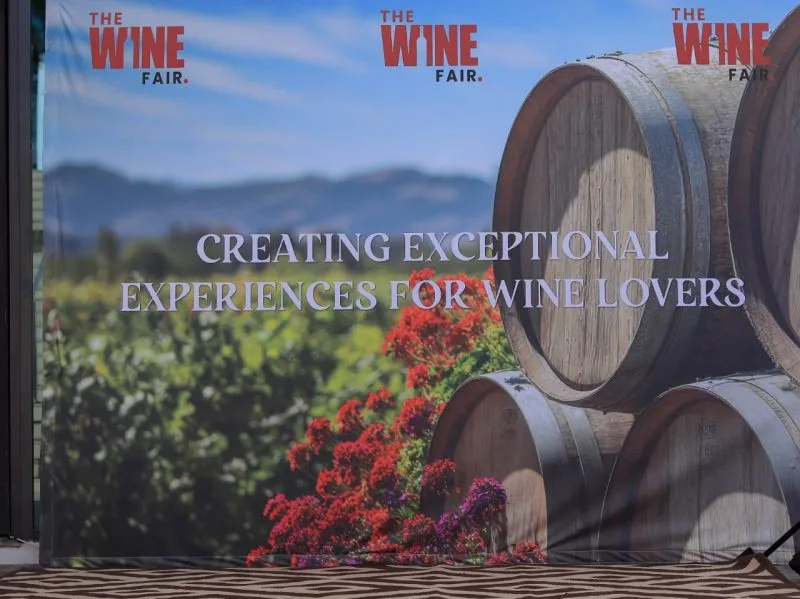
Against this backdrop, The Wine Fair Kenya will return for its seventh edition on August 1 at
The Jockey Club, bringing together more than 100 wine brands under one roof in what has
become one of East Africa’s largest celebrations of wine, culture and community.
The milestone reflects a broader shift taking place in Nairobi. Consumers, particularly
younger professionals, are increasingly prioritising experiences over possessions, choosing
immersive activities that offer opportunities to learn, connect and discover new cultures.
In many ways, The Wine Fair has become a barometer of this changing behaviour,
demonstrating how Nairobi is gradually establishing itself as a regional destination for
experiential living.
The shift is also occurring at a time when global consumer habits are changing. Instead of
traditional nights out, urban consumers are gravitating towards curated experiences that
combine food, travel, wellness, entertainment and social interaction.
Wine fits naturally into this evolution
Unlike many other alcoholic beverages, wine has increasingly become associated with
storytelling and discovery. Consumers are interested in where a wine comes from, how it
was produced, what food it pairs with and the culture behind it. The experience often
extends beyond the glass itself.
This growing appetite for discovery has accelerated the mainstreaming of wine education.
Sommelier-led masterclasses, tasting sessions and digital content have demystified a
category that was once considered inaccessible. Consumers who may have previously felt
overwhelmed by wine terminology are becoming more confident in exploring different
varietals, regions and styles.
According to Judy Ngene, Co-Founder of The Wine Fair Kenya, consumers are becoming
increasingly intentional about how they spend their leisure time. “What we’re seeing is consumers becoming more curious and intentional about their choices. People are no longer simply looking for a drink; they’re looking for an experience. Wine has become a way for people to connect, learn and explore different cultures through taste,” she says.
Ngene says accessibility and education have been central to the event’s growth over the
years. “We’ve seen first-time attendees become regular wine enthusiasts because they realise
wine is not as intimidating as they once thought. Creating opportunities for people to taste,
ask questions and engage directly with producers and importers has been critical in
building confidence around wine culture.”
Exhibiting brands are also observing a notable shift in consumer behaviour. “Today’s consumers are far more adventurous than they were a few years ago. They’re asking where wines come from, what foods they pair with and the stories behind each bottle. There is a genuine curiosity that didn’t exist at this scale before,” said a representative from one of the participating brands.
That curiosity is increasingly shaping Nairobi’s social identity
Events such as The Wine Fair are becoming platforms where culture, entertainment,
networking and education intersect. Attendees are as likely to participate in a masterclass,
discover a new producer, meet like-minded enthusiasts or enjoy a live performance as they
are to taste a glass of wine. The result is a social scene that is becoming more globally connected, more experiential and more intentional.
Whether Nairobi will eventually rival more established wine destinations remains to be seen. But one thing is becoming increasingly clear: wine is no longer an exclusive indulgence confined to hotel cellars and fine dining establishments. It is becoming part of the city’s social language. And if more than 100 wine brands gathering in one place is any indication, Nairobi’s wine story may only be beginning.