
Somali beauty startup KAAT Skincare has launched its first product in Mogadishu, targeting a growing market for locally developed cosmetics formulated for melanin-rich skin and the region’s hot, humid climate.
The launch of Safwa Bright Facial Cream comes as African beauty businesses increasingly seek to develop products around local consumer needs rather than relying largely on formulations developed for different climates and skin types.
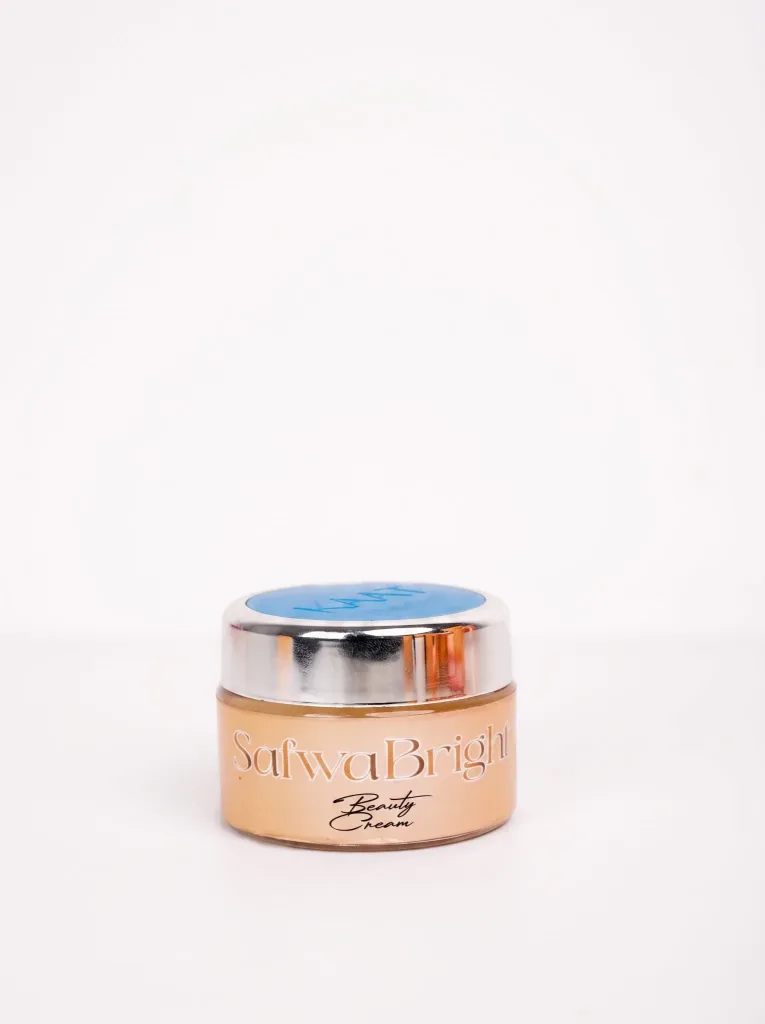
KAAT says the cream targets concerns including excess oil, uneven skin tone and congestion, combining turmeric with ingredients such as niacinamide and kojic acid. The company has not disclosed sales projections, pricing or its expected market share.
The business is positioning the product around Somali traditional skincare practices, particularly the use of turmeric, while seeking to commercialise the practice through a modern formulation.
“KAAT Skincare is more than a beauty brand; it is a celebration of Somali heritage, innovation, and the beauty of our people,” said Abdirahman Hussein Mohamed, CEO of KAAT Skincare.
“With Safwa Bright Facial Cream, we are taking a tradition passed down through generations and combining it with modern science to create skincare designed for our unique skin and climate,” he added.
The launch also highlights the challenges facing emerging African cosmetics manufacturers, including the cost of research and development, regulatory compliance, consumer trust and competition from established international brands.
While KAAT says it intends to expand into wider skincare, cosmetics and fragrances, the immediate test will be whether it can convert its local positioning into sustained consumer demand and distribution beyond Somalia.
The company has also emphasised a shift away from colourist marketing and skin-lightening claims, instead promoting barrier support and skin radiance. However, consumers using products containing active ingredients are generally advised to follow usage instructions and consider patch testing.
KAAT’s launch reflects a broader opportunity for African beauty companies to build brands around the continent’s diverse skin types, climates and cultural practices, while competing on formulation, safety, affordability and distribution rather than heritage alone.