NAIROBI, Kenya, Aug 22 – When Kenya ushers in the Competency-Based Education and Training (CBET) reforms in January 2026, the classroom will no longer be the only launchpad for success.
Senior School learners will choose pathways that align with their strengths, Science, Technology, Engineering and Mathematics (STEM), Social Sciences or Sports, Arts and Creatives, marking a radical departure from the “study-everything” model of the 8-4-4 system.
For the first time, talent in sports and the arts will receive the same recognition as academic excellence, with the government reconstituting the Kenya Academy of Sports into the Kenya Academy for Sports, Arts and Creatives, a national hub designed to nurture talent and grow Kenya’s creative economy.
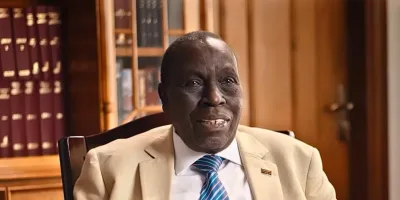
According to Deputy President Kithure Kindiki, the academy will be in place within a year, offering a one-stop shop where sportsmen, musicians, visual artists and performers can access world-class facilities and tailored curricula.
“This academy is not just for students, it will be a space for every Kenyan with talent to refine their skills, pursue excellence and build careers that contribute to national development,” he explained during a recent address in Tharaka Nithi County.
The revamped academy will provide structured training for learners pursuing the sports and creatives pathway while also opening its doors to adults seeking short professional courses to sharpen their skills.
The reconstitution of the academy is being rolled out alongside unprecedented investments in sports infrastructure.
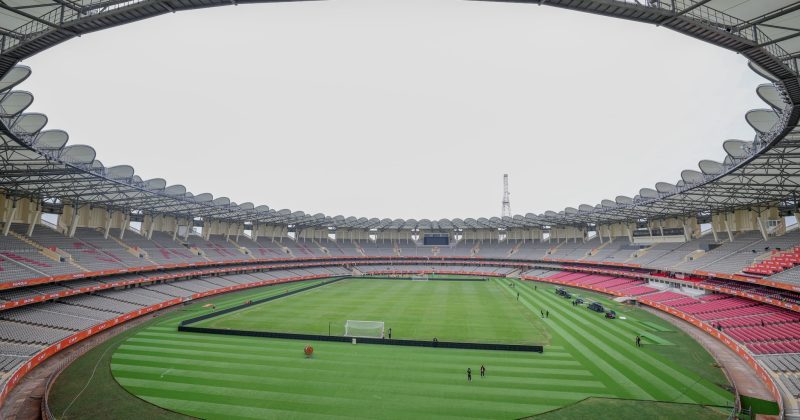
Already, the government has modernized Nyayo Stadium and Kasarani Stadium to international standards, enabling Kenya to host the 2024 CHAN tournament.
The ambitious Talanta Sports City, a 60,000-seater complex costing Ksh 45 billion, is set for completion in January 2026, just in time for Kenya to co-host the AFCON 2027 games.
Meanwhile, Ithokwe Stadium in Kitui, Kwale Stadium and new stadia in Kakamega, Bungoma, Homa Bay, Meru, Embu and Kirinyaga are under construction.
These facilities are not just monuments of concrete and steel; they will serve as training grounds for learners in the new CBET sports and arts pathway.
To decentralize access, DP Kindiki said that the government intends to build 290 sports academies, one per constituency, with 38 already under construction.
These academies will act as feeder institutions equipping learners with foundational training before they progress to the national academy.
The decision to merge sports, arts and creatives into one pathway acknowledges the role of talent in driving Kenya’s economy.
Kenya’s creative industry already contributes significantly to GDP through music, film, fashion, and athletics.
With structured training, the sector is expected to grow further, opening new opportunities for jobs, innovation and international recognition.
Deputy President Kindiki emphasized that grassroots engagement will be critical.
Meeting over 5,000 sports officials and club representatives from Embu, Meru, and Tharaka Nithi Counties, he urged them to use their influence to nurture talent while promoting positive values in society.
By aligning education with talent, the CBET reforms could redefine Kenya’s future workforce.
Where STEM graduates will contribute scientific breakthroughs, athletes, musicians, and artists will power Kenya’s cultural diplomacy, create employment, and inspire social cohesion.
As Kenya builds stadiums, launches academies, and reconstitutes its national talent hub, the message is clear: a child with a football, a guitar, or a paintbrush now has as much a future as one with a textbook.