NAIROBI, Kenya, Aug. 5 – Former Central Bank of Kenya (CBK) Governor Eric Kotut says the devastating 1984 drought forced the government to rethink its heavy reliance on agriculture and pursue economic reforms aimed at diversifying the economy.
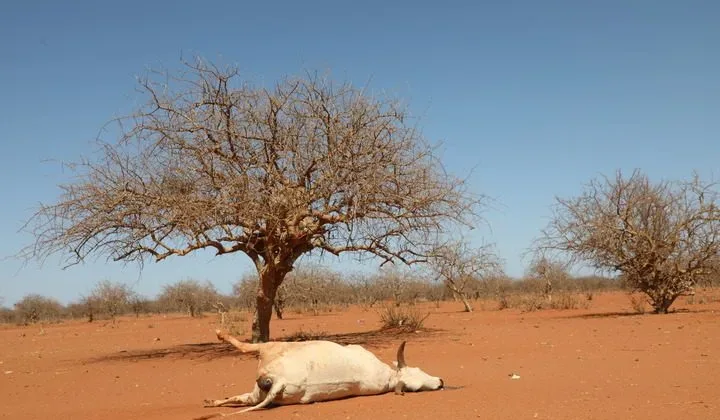
Speaking during the CBK Governors Series, Kotut said the drought severely affected crop and livestock production at a time when agriculture, particularly tea and coffee exports, was the country’s main source of foreign exchange.
“The landscape was shaped by the events that had occurred in 1984. In 1984 we had a very severe drought which caused a lot of damage to our agricultural sector and, of course, the economy had relied on agriculture,” Kotut said.
“We had relied on tea and coffee particularly for foreign currency earnings.”
Kotut said the government sought financial support from development partners, including the World Bank and the International Monetary Fund (IMF), to help revive the economy following the drought.
“Donor funding was granted by all the main donors, starting with the World Bank, IMF and other donors,” he said.
He added that the financial support came with calls for Kenya and other developing countries to adopt Structural Adjustment Programmes (SAPs), which sought to reform their economies and reduce dependence on traditional sectors.