NAIROBI, Kenya, Jan 13 – Lending to the private sector slowed to 4 percent, equivalent to Sh3.8 trillion, in the 2023/24 financial year (FY), driven by currency exchange fluctuations, a new report reveals.
The Central Bank of Kenya (CBK) Annual Report and Financial Statements for 2023/24 indicate that lending dropped from 12.2 percent, or Sh3.7 trillion, in the previous fiscal year.
The manufacturing sector recorded the steepest decline, falling from 18 percent to -0.6 percent during the review period.
Other sectors also experienced notable declines: trade dropped from 12.5 percent to 1 percent, building and construction plummeted from 4.8 percent to -8.3 percent, while transport and communications fell from 19.9 percent to 4.4 percent.
However, some sectors posted growth. Credit to business services increased from 5.5 percent to 8.3 percent, while other activities rose slightly from 8.7 percent to 8.8 percent.
“Growth in private sector credit moderated to 4.0 percent in FY 2023/24 compared to 12.2 percent in the previous financial year, partly reflecting exchange rate valuation effects on foreign currency-denominated loans,” the report noted.
Foreign currency loans accounted for about 26 percent of total credit to the private sector, predominantly in manufacturing, trade, and transport and communication, which experienced significant declines.
Net lending to the government also slowed, decreasing to 9.8 percent in FY 2023/24 from 13.0 percent in the prior year, according to the report.
The Kenyan shilling faced significant depreciation against major currencies such as the US dollar during the year, driven by the maturity of a Eurobond and elevated interest rates in advanced economies, which strengthened their currencies.
The local unit, however, regained stability after Kenya successfully repaid the Eurobond before its maturity and secured dollar-denominated loans from global lenders.
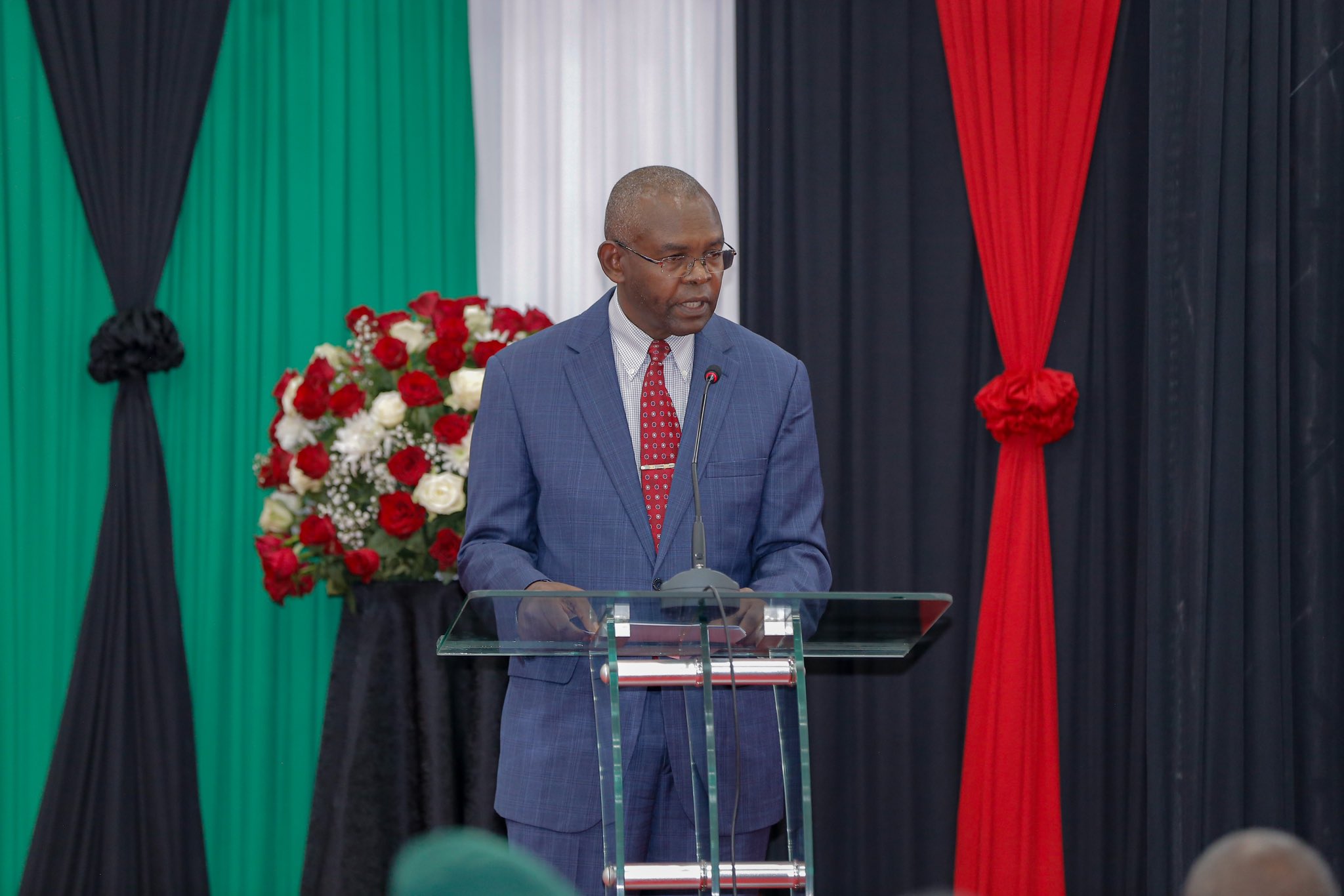
CBK Governor Kamau Thugge attributed the currency stabilization to a higher Central Bank Rate (CBR), which was raised from 12.5 percent to 13 percent to curb inflation and support the shilling.