NAIROBI, Kenya, Aug 5 – Kenya’s ambition to achieve a 100 percent renewable electricity is facing growing headwinds, with industry players warning that policy bottlenecks, limited access to finance and the absence of a robust battery energy storage framework are slowing the country’s final push towards a fully clean power grid.
The concerns emerged during the launch of GoodWe’s EO G2 hybrid solar inverter in Nairobi, where stakeholders said Kenya’s renewable energy sector must now shift its focus from expanding generation to strengthening storage capacity, improving grid resilience and creating an enabling regulatory environment.
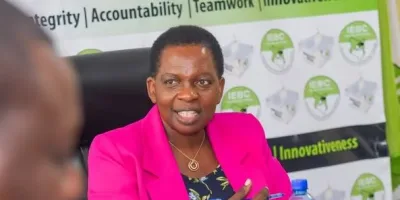
Kenya Renewable Energy Association (KEREA) Chief Executive Officer Cynthia Muhati said the country has already achieved about 90 percent renewable electricity generation, driven largely by geothermal, hydropower, wind and solar, but reaching the remaining 10 percent will require coordinated policy and investment reforms.
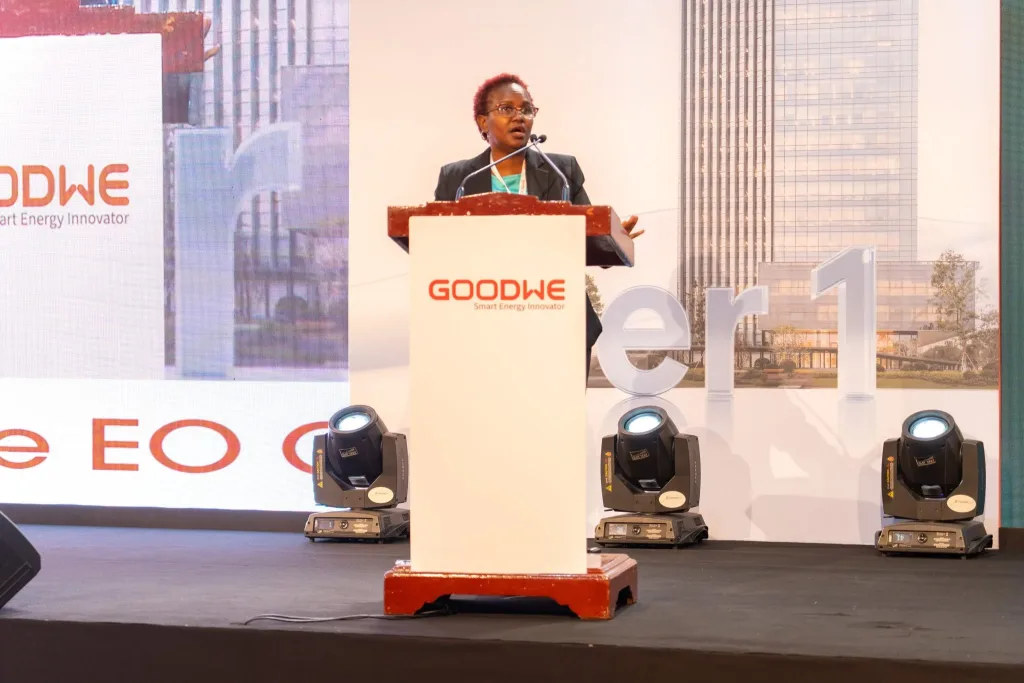
“By 2030, we are looking at being at 100 percent clean power through renewable energy. Those are very ambitious targets, but they’re targets that are doable considering the interest that you can see.”
“There are challenges that we face regulatory barriers, financing, market access and technology transfer. Those are the issues we must continue addressing.”
Muhati said developers and renewable energy businesses continue to struggle with access to affordable financing despite increasing interest from commercial banks, adding that stronger partnerships between manufacturers, financiers and distributors will be critical in unlocking private capital and reducing dependence on donor funding.
She identified technology transfer and skills development as priorities, saying local technical capacity is essential to improve installation quality, safety standards and investor confidence.
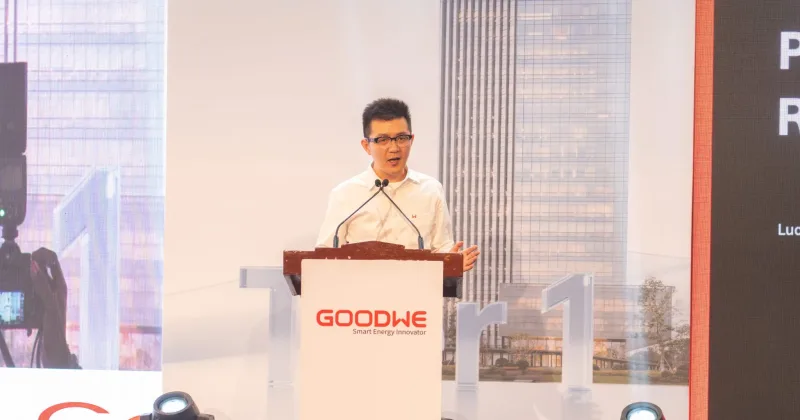
GoodWe Africa Head Lucas Lu said the need for reliable energy storage solutions is becoming more urgent as Kenya grapples with an unstable electricity grid, uneven access to power and rising energy costs for critical institutions.
He noted that many remote communities remain unconnected to the national grid, while hospitals, schools and other essential facilities continue to face high electricity bills and power disruptions that affect service delivery.
Industry stakeholders said battery energy storage systems (BESS) will be central to addressing those challenges by stabilizing electricity supply, integrating more solar and wind power into the grid and supporting off-grid and backup power solutions.
However, Kenya is yet to establish a dedicated regulatory framework covering battery storage procurement, licensing, grid connection, operation and commercial remuneration.
The industry is also pushing for clear public-private partnership rules, internationally recognized safety standards and a market for grid-balancing services to attract greater private investment.
The World Bank-backed GREEN programme is already supporting studies on battery energy storage and the development of regulatory frameworks.
But industry players say faster policy implementation will be crucial if Kenya is to deliver on its target of becoming a fully renewable electricity economy by the end of the decade.