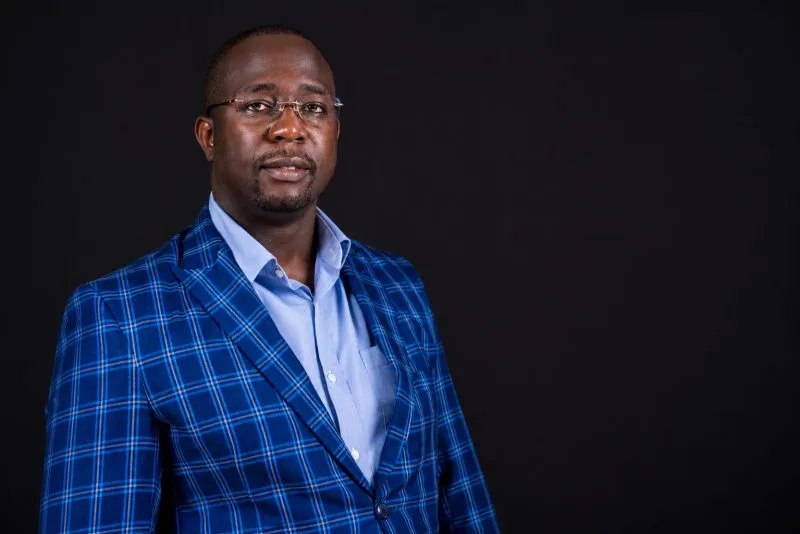
By Dr Hesbon Hansen Owilla
For too long, we have been told that our country is in a financial crunch, that we must tighten our belts, pay more taxes, and wait longer for services. The truth is simpler and harder: Kenyans are yearning for a leader who will stop the immense fiscal damage caused by public procurement leakages and grand corruption.
Former President Uhuru Kenyatta popularized the KSh 2 billion lost to corruption every single day. Treasury Cabinet Secretary John Mbadi has, since his appointment, continued to repeat that figure. The Institute for Social Accountability, TISA, now estimates the daily loss at KSh 3 billion.
Let us be blunt: this money is not disappearing through bad luck or weak systems. It is being stolen by the very people Kenyans gave the power to lead. Mbadi himself has argued that if government cuts these losses by half, Kenya can save KSh 365 billion annually. That is enough to comfortably service the country’s external debt, without new punitive taxes.
Bring it home. Walk into most county referral hospitals today and you will see the consequences. Patients are routinely sent to private chemists to buy gloves, painkillers, and antibiotics because the public pharmacy shelves are bare. In other wards, patients sleep on the floor because there are no beds. The other day, an MP in Migori County was on record saying the county government was busy repairing the referral hospital’s main gate while taps in the wards had no running water. In Nairobi, SHA is struggling to enroll families while ghost suppliers are paid millions for goods and services never delivered.
That KSh 2 billion stolen in a day translates to 400,000 families locked out of Universal Health Coverage. Seal the leaks and the picture changes. It means cancer drugs actually arrive in county referral hospitals. It means a dispensary in Mosoriot, Nandi County, has gloves and essential supplies. It means free maternal healthcare and post-natal care for a new mother in Nyikendi, Migori County. It means dignity for every Kenyan walking into a public health facility, from Lodwar to Kwale.
We know Kenya can seal holes when there is political will. In 2016, one of the leading opposition figures ended exam cheating by locking KNEC leakages. The government has cleared ghost workers from the police payroll. Huduma Centres were institutionalized to digitize services and cut the bribes Kenyans once paid for IDs, birth certificates, and licenses. These gaps can be closed.
Sadly, on corruption at this scale, leaders draw the line. Instead, we get press conferences with parents of victims of police brutality for optics and razzmatazz. We see leaders jump into fuel guzzlers at the first sign of pandemonium, leaving desperate mothers and relatives to carry the shame and indignity alone. For a country in debt distress, with the crunch hitting those at the bottom of the pyramid hardest, Kenyans deserve more from those seeking power.
If we are losing KSh 3 billion every day, then our taxes are high because theft is high. The Housing Levy. SHA deductions. PAYE. NSSF. A new levy in every budget. On payday, teachers in different parts of the country, and salaried employees generally, carry payslips that show a smaller take-home than they had a few years ago. Boda boda riders in local economies are told to pay daily county fees, fuel tax, and insurance, yet ride on roads with potholes that burst their tyres and damage their bikes.
Leaders angling for power in 2027 keep reminding us of this squeeze, but few offer an alternative beyond more complaints. Kenyans are looking for a voice that articulates, clearly and credibly, how we will stop the KSh 3 billion-a-day corruption. A leader who will stop the theft, cut the squeeze on payslips, and restore workers’ dignity.
A payslip should be a plan, not a punishment. It is the symbol of a worker’s hard-earned labour and enterprise. It should give them room to plan how to make more, build personal capital, and contribute to building the nation.
So let us bring it closer home. Imagine what happens when we recover that stolen KSh 3 billion a day and Kenyans keep more of what they earn. A jua kali welder in Kibuye, Kisumu gets more customers because a salaried father now has Sh 3,000 extra to repair his gate. A Form 4 student in Nandi Hills joins university without her mother taking a predatory loan, because capitation actually arrived and HELB disbursements are on time. A mama mboga in Kapsabet Market does not have to sell her stock to buy drugs for a sick child, because the county hospital is stocked. A fruit farmer in Sagana sells more, and at a better price, because Nairobi households have more disposable income to spend.
That is capital. Money recovered from graft, plus free access to health and government services, plus payslips that reflect real value, will put more cash in Kenyan pockets. For business. For children’s school fees. For food and transport without having to borrow for hospital bills.
That is how Kenyans in different localities will build wealth, not through handouts, but through restored value and accountability. Our politicians do not need to take us to the streets to deliver what they can articulate with clarity on the many platforms available to them. And CS Mbadi does not need to keep telling us what we are losing. Under the TUTAM agenda, he must help plug the gaps.
Kenya is not broke. Kenya is being bled. And Kenyans are looking for a leader who will stop the theft. Not one more speech. Not one more levy. Just action to seal the leaks, restore dignity to work, and give every Kenyan a fair chance to build.