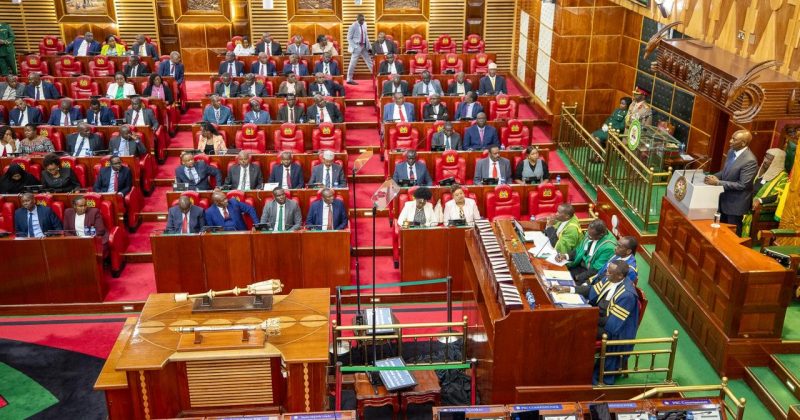
NAIROBI, Kenya, Oct 12– The National Assembly has approved a reduction in the publication period for the Tax Laws (Amendment) Bill, 2026, from 14 days to 10 days, as lawmakers seek to conclude consideration of the proposed legislation by the end of next week.
Majority Leader Kimani Ichung’wah moved the procedural motion, saying the shortened timeline was necessary to allow Parliament to complete the process within the available timeframe.
“Honourable Speaker, it is because this tax law we intend to finish with it before the end of next week considering the timelines that we have,” Ichung’wah told the House.
“Therefore, this is just a procedural motion to reduce the publication period from 14 to 10 days.”
The motion, made under Standing Order 120, was seconded by Owen Baya and approved by the House after the Speaker put the question to a vote.
The decision shortens the period before the Bill can proceed through the parliamentary process but does not constitute approval of its proposed tax measures.
The Tax Laws (Amendment) Bill, National Assembly Bill No. 65 of 2026, proposes changes that include an 8 percent value-added tax (VAT) on petroleum products and a shift in the basis for calculating excise duty on tiles from weight to size.
The National Assembly’s Finance and Planning Committee has invited members of the public and other stakeholders to submit comments on the proposed changes.
The committee’s public participation process will provide an opportunity for affected businesses, industry associations and consumers to present their views before the legislation advances.
The proposed changes to petroleum taxation could have implications for businesses and consumers through fuel-related costs, while the revised basis for tile excise duty would affect how the tax is calculated. The actual impact will depend on the final provisions approved by Parliament.
Ichung’wah said the aim was to conclude consideration of the Bill before the end of next week, placing the proposed legislation on an accelerated parliamentary timeline.
The Bill will still be subject to the remaining legislative stages, including consideration of stakeholder submissions and debate on its provisions.