NAIROBI, Kenya Aug 29 – The Ministry of Health has announced a coordinated preparedness plan to mitigate health risks linked to anticipated heavy rains, flooding and displacement during the 2026/2027 El Niño season.
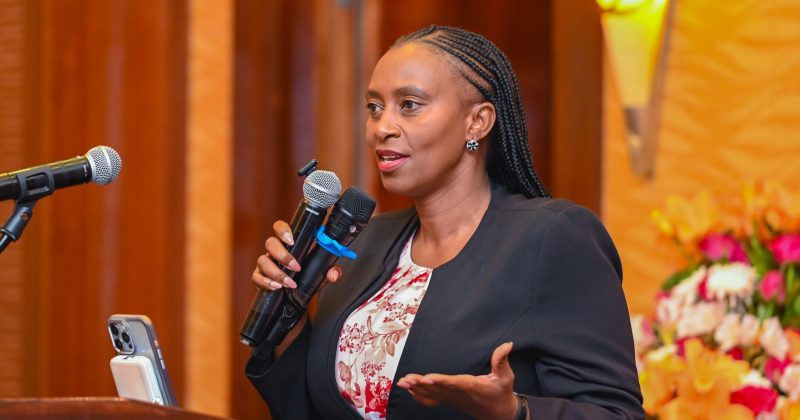
Public Health Principal Secretary Mary Muthoni said the Health Sector El Niño Contingency Plan brings together national and county governments, emergency agencies, humanitarian organisations and development partners to anticipate, prevent, detect and respond rapidly to flood-related health emergencies.
“The Health Sector El Niño Contingency Plan provides a common framework” for coordinated preparedness and response, Muthoni said.
The Ministry is particularly concerned about water- and food-borne diseases, including typhoid, cholera, dysentery, hepatitis A and other diarrhoeal illnesses, which can rise when flooding contaminates water sources and sanitation systems.
Muthoni said the Ministry is working with county governments and partners including the Kenya Red Cross Society, National Disaster Operations Centre, National Disaster Management Unit, KEMSA, KEMRI, WHO, UNICEF and other health-sector agencies.
Through the National Health Sector El Niño Task Force and emergency operations structures, the partners will support joint planning, rapid assessments, emergency medical services, referral and evacuation, community outreach, risk communication and relief support.
The preparedness measures include strengthening disease surveillance and early-warning systems, with county teams supported to investigate alerts and deploy rapid-response teams.
The Ministry is also enhancing laboratory capacity and sample-referral networks, while ensuring availability of reagents and rapid diagnostic tests for typhoid, cholera and other priority diseases.
Essential medicines, laboratory supplies, infection-prevention materials, nutrition commodities and emergency kits are being quantified, procured, stockpiled and pre-positioned at regional, county and facility levels.
The plan also prioritises safe water, sanitation and hygiene through water-quality surveillance, household water-treatment supplies, chlorination and disinfection of contaminated sources, as well as mobile water-treatment units and sanitation facilities.
Counties are being supported to strengthen contingency plans, referral networks, ambulance and evacuation arrangements, temporary and mobile clinics, backup power and continuity of essential services.
Community Health Promoters and Primary Care Networks will also disseminate early-warning messages, promote household water treatment and food hygiene, identify danger signs and link affected households to care.
Muthoni urged people in flood-prone areas to boil or appropriately treat drinking water and store it in clean, covered containers.
She also called for regular handwashing with soap and safe water, particularly after using the toilet and before preparing or eating food.
The Ministry advised the public to cook food thoroughly, eat it while hot, wash fruits and vegetables with safe water and avoid food exposed to floodwater.
Members of the public have also been urged to seek early medical attention for persistent fever, severe headache, abdominal pain, vomiting, profuse watery diarrhoea, blood in stool, unusual weakness or signs of dehydration.
The Ministry cautioned against self-medicating with antibiotics and urged the public to follow evacuation and safety instructions while avoiding walking or driving through floodwater.
Muthoni said the Ministry would continue monitoring meteorological and epidemiological information, updating risk assessments and supporting counties and partners as the situation evolves.