NAIROBI, Kenya Jun 30 – Following recent market fires and business losses, entrepreneurs have been urged to take up insurance to cushion themselves against unexpected disasters.
Speaking on Capital In The Morning Show, NCBA Insurance Managing Director Stella Njunge said many business owners only appreciate the value of insurance after suffering losses from incidents such as fire or burglary.
She noted that rebuilding a business after losing stock can be costly, especially for entrepreneurs who have invested their savings or borrowed capital.
“There’s no point of you having gotten a loan from the bank, put your savings into a business and then one fine day you go and find someone has broken into a shop and taken all your stock and you don’t have an insurance cover so there you are again mark timing, looking for money, the rent is due, your customers whose stock you are holding, they are paid for stuff and you’re not able to fulfill your orders.”
“You could have just taken a cover and all that would have been sorted. So we have to preserve our capital, that is my call to everybody. It took a long time to set up that savings fund, it took a lot of effort to get that business loan.Take insurance cover for 15,000, 20,000 and you will be able to at least protect yourself from some very fundamental risks. It’s not that the risk will not happen, for me I just tell people it’s a question of when it’s going to happen, so be prepared,” Njunge explained.
The insurer encouraged SMEs to take up affordable business covers, saying a relatively small annual premium could protect years of investment and help businesses recover more quickly.
“The same way you came up with a strategic plan, your vision and you drew it up and you are executing it on a daily basis, protect your capital, protect yourself, that’s my message to you,” she said.
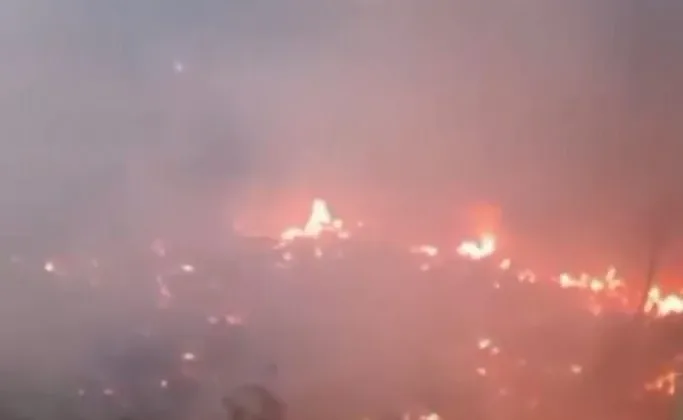
On June 21, traders at the Gikomba Market were left counting huge loses after a massive fire destroyed their wares.
Several traders said this was not the first time they had suffered losses, with some noting that the recurring nature of the fires points to deeper systemic failures.
The Kenya Red Cross and witnesses indicate that the fire started at fish sections of the market, and then spread through stalls and business premises.
Gikomba has experienced several major fire incidents over the years, with previous outbreaks causing extensive destruction of businesses, merchandise, and livelihoods.