NAIROBI, Kenya, July 24 – Kenya is strengthening governance and coordination in a renewed effort to halt the continued degradation of its mangrove ecosystems, with stakeholders meeting in Lamu County to develop a common roadmap for protecting one of the country’s most valuable coastal resources.
The National Mangrove Stakeholder Forum, convened by the State Department for Forestry, has brought together government institutions, county governments, research organisations, Community Forest Associations, development partners, civil society organisations and the private sector to review implementation of the National Mangrove Ecosystem Management Plan (2017–2027).
Held under the theme “Advancing Policy Leadership, Coordination and Community-Led Stewardship for Kenya’s Mangrove Ecosystem,” the two-day forum seeks to build consensus on the next phase of mangrove conservation while strengthening governance structures that support restoration and sustainable management.
According to the State Department for Forestry, Kenya’s mangrove forests cover approximately 61,271 hectares along the country’s 536-kilometre coastline.
These ecosystems provide essential services, including climate change mitigation through blue carbon storage, shoreline protection, biodiversity conservation, fisheries enhancement and livelihood support for coastal communities.
Despite their importance, mangrove forests continue to face mounting pressure from illegal wood harvesting, encroachment, pollution, coastal development, sedimentation resulting from inappropriate agricultural activities, reduced freshwater inflows caused by upstream river damming and the effects of climate change, including sea-level rise.
The cumulative impact of these pressures has contributed to an annual mangrove cover loss of 0.7 per cent, higher than that recorded in Kenya’s other forest ecosystems, leading to declining fisheries production, degradation of seagrass beds and coral reefs, and reduced availability of quality wood products.
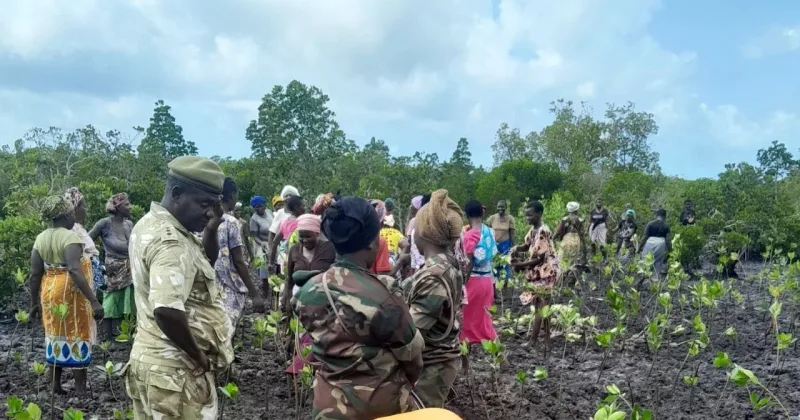
The forum is reviewing lessons learned since the adoption of the National Mangrove Ecosystem Management Plan in 2017, which introduced a participatory approach to conservation by recognising the role of local communities in protecting and sustainably utilising mangrove resources.
Among the expected outcomes of the forum are a comprehensive review of implementation of the current management plan, strategic recommendations for strengthening mangrove governance and an action framework to guide future conservation efforts.
Participants are also exploring ways to improve stakeholder coordination, strengthen partnerships and identify financing opportunities to support restoration programmes as the current management plan approaches its final phase.
The forum contributes directly to Kenya’s broader environmental commitments, including the 15 Billion Trees Programme by 2032, biodiversity conservation targets, ecosystem restoration initiatives, climate change commitments and the country’s blue economy agenda.
As stakeholders work towards a shared vision for Kenya’s mangrove ecosystems, organisers say stronger governance, coordinated action and inclusive partnerships will be essential to reversing forest loss and securing the long-term health of the country’s coastal landscapes.