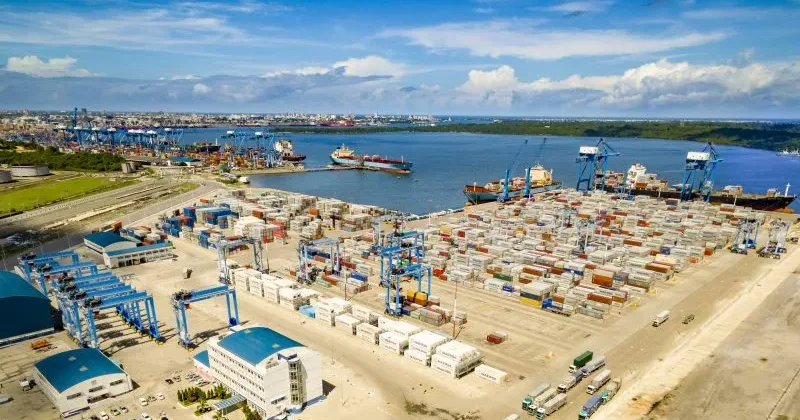
NAIROBI, Kenya, July 21 – When Kenya shipped its first consignment under the African Continental Free Trade Area (AfCFTA) Guided Trade Initiative in October 2022, a container of Exide batteries bound for Ghana, it symbolized far more than a single export order.
The export marked Kenya’s formal entry into an ambitious experiment to reshape African trade by creating a single market of more than 1.4 billion people with a combined GDP exceeding US$3.4 trillion.
Nearly five years after AfCFTA began trading, Kenya remains one of the agreement’s most enthusiastic adopters.
Nairobi was among the first capitals to ratify the pact, has developed a national implementation strategy and has identified manufacturing as the engine of its continental export ambitions.
Yet policy leadership has not always translated into commercial success.
Although Kenyan exporters now enjoy preferential access to markets stretching from Accra to Cairo, many manufacturers argue that the agreement’s biggest obstacles lie beyond tariffs.
High transport costs, cumbersome border procedures, fragmented regulations and inconsistent product standards continue to erode competitiveness, leaving businesses questioning whether Africa’s single market is delivering on its promise.
The result is a paradox. Kenya has secured a seat at Africa’s largest trading table, yet many of its businesses are still struggling to compete once they arrive.
That disconnect sits at the heart of a growing debate among policymakers, manufacturers and trade experts: is Kenya emerging as one of AfCFTA’s early winners, or is it allowing structural weaknesses at home to blunt one of the continent’s most significant economic opportunities?
Unfinished business
Few African countries embraced AfCFTA as decisively as Kenya.
Beyond ratifying the agreement, Nairobi became an early participant in the Guided Trade Initiative, a pilot programme testing trade under the agreement’s preferential tariff regime before full continental implementation.
The government has also placed manufacturing at the centre of its AfCFTA strategy, identifying pharmaceuticals, agro-processing, textiles, leather, chemicals and construction materials as priority sectors capable of driving export-led industrialization.
The strategy reflects a broader shift in Kenya’s trade ambitions. Rather than relying primarily on exports of raw commodities, policymakers increasingly see the continental market as an opportunity to expand value-added manufacturing, diversify export destinations and reduce dependence on traditional markets in Europe and Asia.
The Kenya AIDA–AfCFTA Pilot Impact Assessment Report suggests the country is well positioned to capitalize on that opportunity, identifying agro-processing, pharmaceuticals, textiles, leather and horticulture among sectors with strong export potential.
“The central constraint to effective implementation of AfCFTA and AIDA is not the absence of policy frameworks, but the lack of operational, evidence-based policymaking systems at country level.”
“Countries face difficulties in identifying competitive value chains, aligning trade and industrial policies, and translating continental commitments into effective national frameworks.”
But it also delivers an important caveat: market access alone will not be enough. Sustained investment in industrial competitiveness, innovation, logistics and trade facilitation will determine whether Kenya can translate early political commitment into lasting commercial gains.
That distinction is becoming increasingly important as implementation moves from policy to practice.
At its core, AfCFTA is intended to do more than eliminate tariffs. By harmonizing trade rules and encouraging investment across borders, the agreement seeks to create integrated regional value chains capable of transforming Africa from an exporter of raw commodities into a producer of higher-value manufactured goods.
For Kenya, whose industrial base is among the most diversified in sub-Saharan Africa, that ambition presents a rare opportunity.
The country already exports pharmaceuticals, processed foods, edible oils, plastics, steel products, textiles and horticultural produce to regional markets through the East African Community (EAC) and the Common Market for Eastern and Southern Africa (COMESA).
In 2025, Kenya’s total exports rose to Sh1.12 trillion, with manufactured goods accounting for more than 40 percent of domestic exports, while exports to African markets exceeded Sh480 billion, underscoring the continent’s growing importance as a destination for Kenyan products.
The shift is as much about value as it is about volume.
Rather than exporting raw hides, Kenya hopes to sell finished leather goods. Instead of shipping unprocessed agricultural produce, policymakers want manufacturers to expand exports of processed foods, branded consumer products and pharmaceuticals to a rapidly growing African middle class.
The strategy builds on sectors where Kenya already has an established export base.
In 2025, horticultural exports earned more than Sh200 billion, tea exports generated over Sh215 billion, while exports of apparel under the Export Processing Zones exceeded Sh60 billion.
Kenya also exported processed food products, pharmaceuticals, plastics, chemicals and iron and steel products worth hundreds of billions of shillings collectively, demonstrating an industrial base that policymakers believe can be leveraged under AfCFTA.
The Kenya AIDA–AfCFTA Pilot Impact Assessment identifies pharmaceuticals, agro-processing, textiles and apparel, leather, chemicals and horticulture among the sectors best placed to benefit from continental integration.
But the report also cautions that success will depend on whether Kenya can strengthen industrial competitiveness, invest in innovation and improve the efficiency of its trade infrastructure.
“Continued investment in industrial competitiveness, value addition, innovation, trade facilitation, logistics and skills development is necessary to fully unlock opportunities under the continental market,” said Principal Secretary for Economic Planning Bonface Makokha during the launch of the report.
The challenge is becoming more urgent as competition intensifies.
AfCFTA has not simply opened new markets for Kenyan manufacturers; it has also opened Kenya’s market to manufacturers from across the continent.
The cost of getting to market
If tariffs were once the principal obstacle to African trade, exporters now say logistics has taken their place.
For manufacturers, competitiveness is increasingly determined not by customs duty but by how quickly, cheaply and predictably goods can move from factory floors to customers across the continent.
According to the Kenya Association of Manufacturers’ Logistics Study Report 2026, transporting a 20-foot container from Nairobi to Lusaka costs between US$3,500 and US$7,000, with delivery times ranging from eight days to more than a month depending on border congestion, customs procedures and transport corridors.
For businesses operating on tight margins, those delays carry real commercial consequences. Inventory remains tied up in transit, delivery schedules become unpredictable and transport costs can quickly erase the savings created by preferential tariffs.
In the end, market access means little if businesses cannot reach those markets competitively.
Launching the report, Kenya Association of Manufacturers Chief Executive Tobias Alando argued that addressing logistics inefficiencies is now central to AfCFTA’s success.
“AfCFTA presents a significant opportunity for Kenyan manufacturers to expand into new markets across Africa. But unless we address the logistics bottlenecks that continue to inflate the cost of doing business, many firms will struggle to realize the full benefits of the agreement.”
His assessment reflects a growing consensus across the private sector. While tariff liberalization has reduced one layer of trade costs, exporters continue to face expensive freight, congested transport corridors and administrative delays that are often far more costly to overcome.
The World Economic Forum has reached a similar conclusion, arguing that the long-term success of AfCFTA will depend less on tariff reductions than on whether governments can create faster, more reliable and commercially viable trade corridors linking African economies.
Beyond tariffs
If logistics represents the first test of continental trade, regulation has become the second
Businesses increasingly point to non-tariff barriers as the greatest impediment to trading across Africa.
These range from inconsistent product standards and licensing requirements to repeated inspections, overlapping customs procedures and differing technical regulations between countries.
Research under the WTO Chairs Programme examining Kenya’s implementation of AfCFTA found that complex rules of origin, fragmented regulatory frameworks and cumbersome customs processes continue to undermine the agreement’s potential.
Many of these measures serve legitimate public interests, protecting consumers and safeguarding product quality.
But exporters argue that they frequently duplicate requirements already satisfied in the country of origin, increasing costs without improving market access.
A Kenyan food processor, for example, may comply fully with domestic safety standards only to undergo fresh laboratory testing, certification and documentation before products can enter another African market.
Each additional requirement may appear modest in isolation. Together, they extend delivery times, inflate compliance costs and weaken competitiveness.
TradeMark Africa Board Chair and former Ethiopian Prime Minister Hailemariam Desalegn says this is now Africa’s biggest trade challenge, arguing that “NTBs restrict African trade far more than tariffs. Aligning standards, reducing discretion and resolving NTBs are essential if Africa is to build regional value chains. Africa’s credibility in trade is won or lost at the border.”
According to the World Economic Forum, non-tariff barriers now account for a larger share of trade costs across Africa than tariffs themselves; a reminder that dismantling customs duties was only the first step towards building a genuinely integrated continental market.