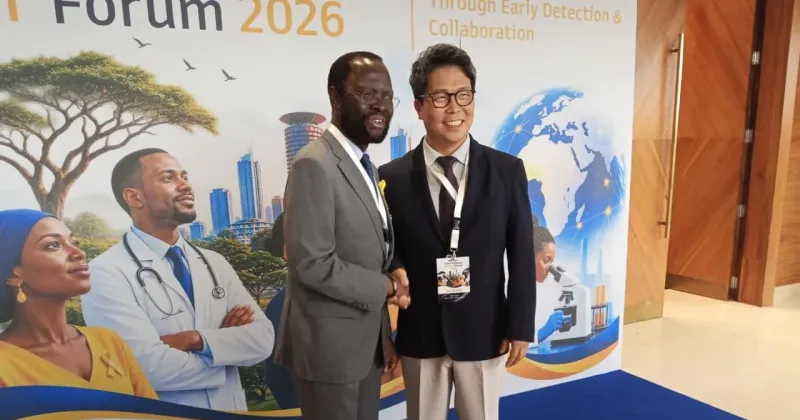
NAIROBI, Kenya, Aug 18 – Kenya is seeking to strengthen cancer care through earlier detection, better-equipped health facilities and international partnerships as government officials, health professionals, researchers, survivors and investors meet in Nairobi to discuss ways of improving diagnosis and treatment.
The discussions took place during the Nairobi International Cancer Forum 2026, held as part of ASCA Week 2026, with participants focusing on expanding cancer services closer to communities and reducing delays in diagnosis and access to specialised care.
Kisumu Governor Professor Peter Anyang’ Nyong’o said Kenya needs to build local capacity to ensure patients receive appropriate cancer services without travelling long distances or seeking treatment abroad.
“We need to build capacity inside to do that,” Nyong’o said, referring to the need to reduce reliance on expensive overseas treatment.
The forum brings together the Africa Smart Cities and Townships Alliance (ASCA), governments and other partners to support early cancer screening, healthcare training, specialised equipment and cancer infrastructure.
One of the programmes under discussion is an early screening initiative targeting communities around the Lake Victoria region, with partners planning to eventually reach about 300,000 people.
The push comes as Kenya continues to face a significant cancer burden, with the Ministry of Health estimating nearly 44,000 new cancer cases annually.
The National Cancer Control Strategy 2023–2027 identifies prevention and early detection as key priorities in reducing the country’s cancer burden.
The Ministry has also identified delays in diagnosis as a major challenge. In February, Principal Secretary for Medical Services Dr Ouma Oluga said some patients take up to five months to receive a confirmed cancer diagnosis, citing missed opportunities for early detection at frontline health facilities.
The government has been decentralising oncology services and expanding screening and diagnostic capacity through regional cancer centres and primary healthcare networks.
In May, the Ministry said it was also exploring ways to strengthen links between community health systems and specialised oncology services, particularly for early detection of breast and cervical cancers.
Against this backdrop, Nyong’o said his own experience with cancer had highlighted the difficulties patients face when diagnosis and specialised treatment are not readily available.
He said people in rural areas can take longer to seek medical attention because of limited information and inadequate access to diagnostic facilities.
The Kisumu governor said the county was working to strengthen its cancer-care capacity by training doctors and nurses and improving facilities for diagnosis and treatment.
He noted that patients requiring specialised services had for years travelled to Nairobi, while others had sought treatment outside the country.
Nyong’o disclosed that his own cancer was diagnosed at a late stage, eventually leading him to seek treatment in the United States. He said the experience reinforced the need for Kenya to develop institutions and expertise capable of handling more cancer cases locally.
ASCA founder, President and Chairman of the World Smart Cities Forum Jaewon Peter Chun said his interest in cancer care was also influenced by personal experience.
His sister battled breast cancer for 13 years before her death, undergoing 186 chemotherapy sessions and seven critical surgeries.
Chun said the experience showed him that cancer treatment extends beyond hospitals and medicine, with patients also requiring psychological, physical and family support during treatment.
Following his sister’s death, he said he decided to support the establishment of a cancer centre in Kenya.
His partnership with Nyong’o and other stakeholders has since contributed to plans for a cancer centre in Kisumu and wider programmes focused on early detection and strengthening medical capacity.
The partnership includes plans for screening, training healthcare workers and mobilising specialised equipment. About $1 million is being invested in a laboratory at Victoria Hospital, which is expected to support early cancer screening in the region.
The partners also plan to train local doctors, nurses and engineers while mobilising specialised diagnostic equipment. The wider ASCA healthcare programme includes efforts to improve cancer-related diagnostic capacity, medical training and access to treatment.
For cancer patients, however, early detection is only one part of the challenge.
Cancer patient Kevin Mwachiro, who has lived with multiple myeloma for 11 years, said the cost of long-term treatment remains a major concern for many patients and their families.
He said some patients are forced into financial hardship as they try to maintain treatment, while others depend on relatives and friends to raise money for medical expenses.
Mwachiro also called for greater attention to how patients are treated within the healthcare system, saying cancer care should include patient dignity, caregiver support and attention to the quality of life of people living with the disease.
He urged Kenyans not to allow fear of a cancer diagnosis to discourage them from screening.
For cancers where early detection can improve outcomes, Mwachiro said people should take advantage of available screening opportunities and understand that a cancer diagnosis does not necessarily mean the end of life.
The Nairobi forum therefore extended beyond the construction of facilities and acquisition of medical equipment to the wider question of how patients move from screening to diagnosis and eventually treatment.
Kenya’s National Cancer Control Strategy identifies prevention and early detection, diagnostic services, treatment, palliative care and survivorship among the main areas requiring coordinated action. The strategy also calls for collaboration between national and county governments, healthcare providers and other partners involved in cancer control.
The Ministry has also reported efforts to expand access to specialised treatment through regional centres while improving diagnostic technology and training.
These measures are intended to reduce the distance patients travel for care and strengthen the link between diagnosis and treatment.
The Nairobi forum comes as Kenya seeks to address both sides of the cancer-care challenge: detecting the disease earlier and ensuring patients can access treatment once diagnosed.
For participants, the next step is to connect screening programmes with functioning diagnostic facilities, trained health workers, specialised equipment and affordable treatment.
Without that link, earlier detection alone will not resolve the challenges patients face after receiving a cancer diagnosis.
The forum has consequently placed early detection alongside healthcare training, technology, infrastructure, research and patient support, with the focus now shifting to translating the proposed partnerships and programmes into services that reach patients before their disease becomes advanced and continue to support them through treatment.