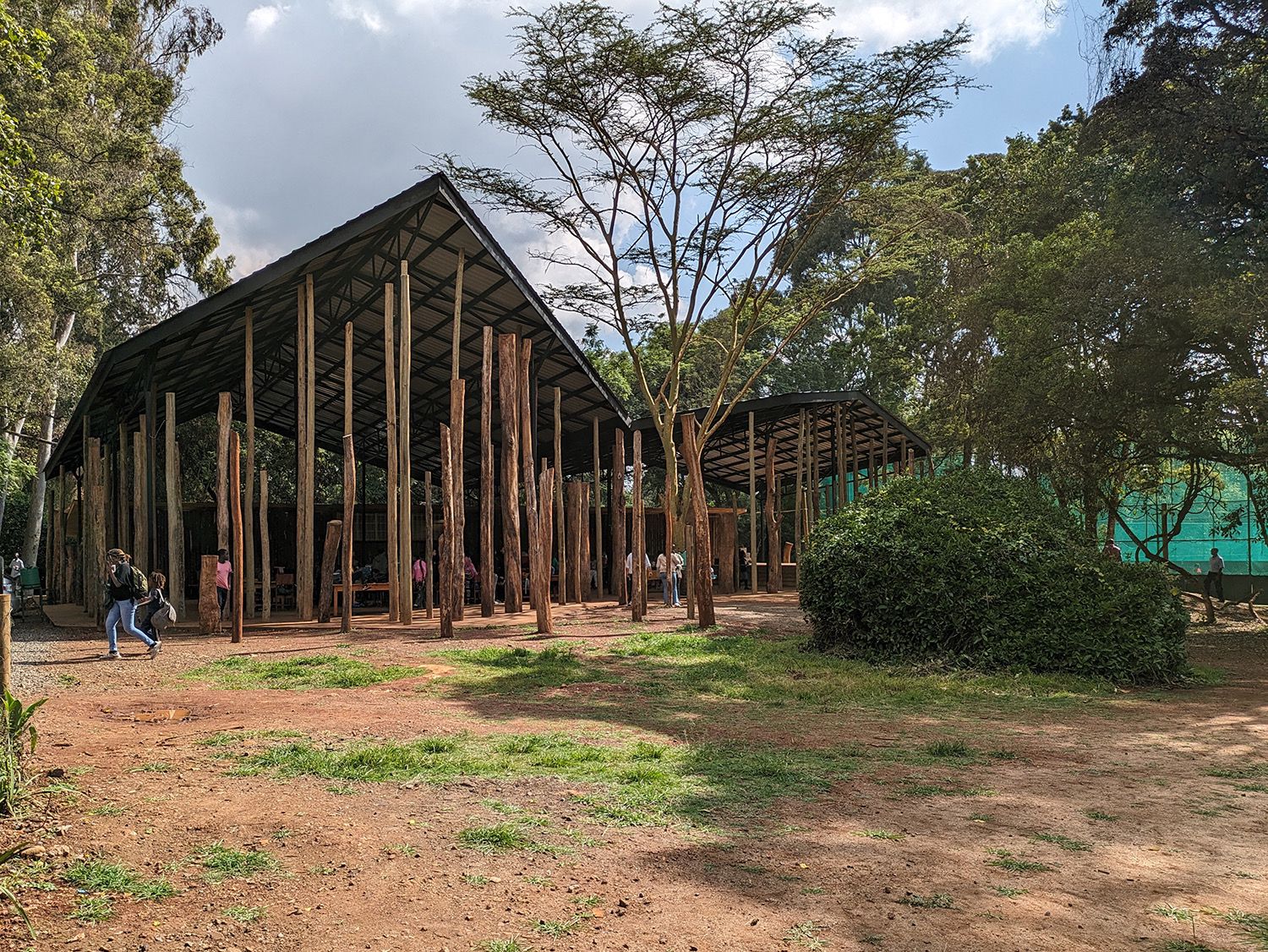
NAIROBI, Kenya, Aug 16 – Residents of Karen have expressed concerns about the construction of the Nairobi Waldorf School Trust, an international learning institution along Nandi Road in Karen.
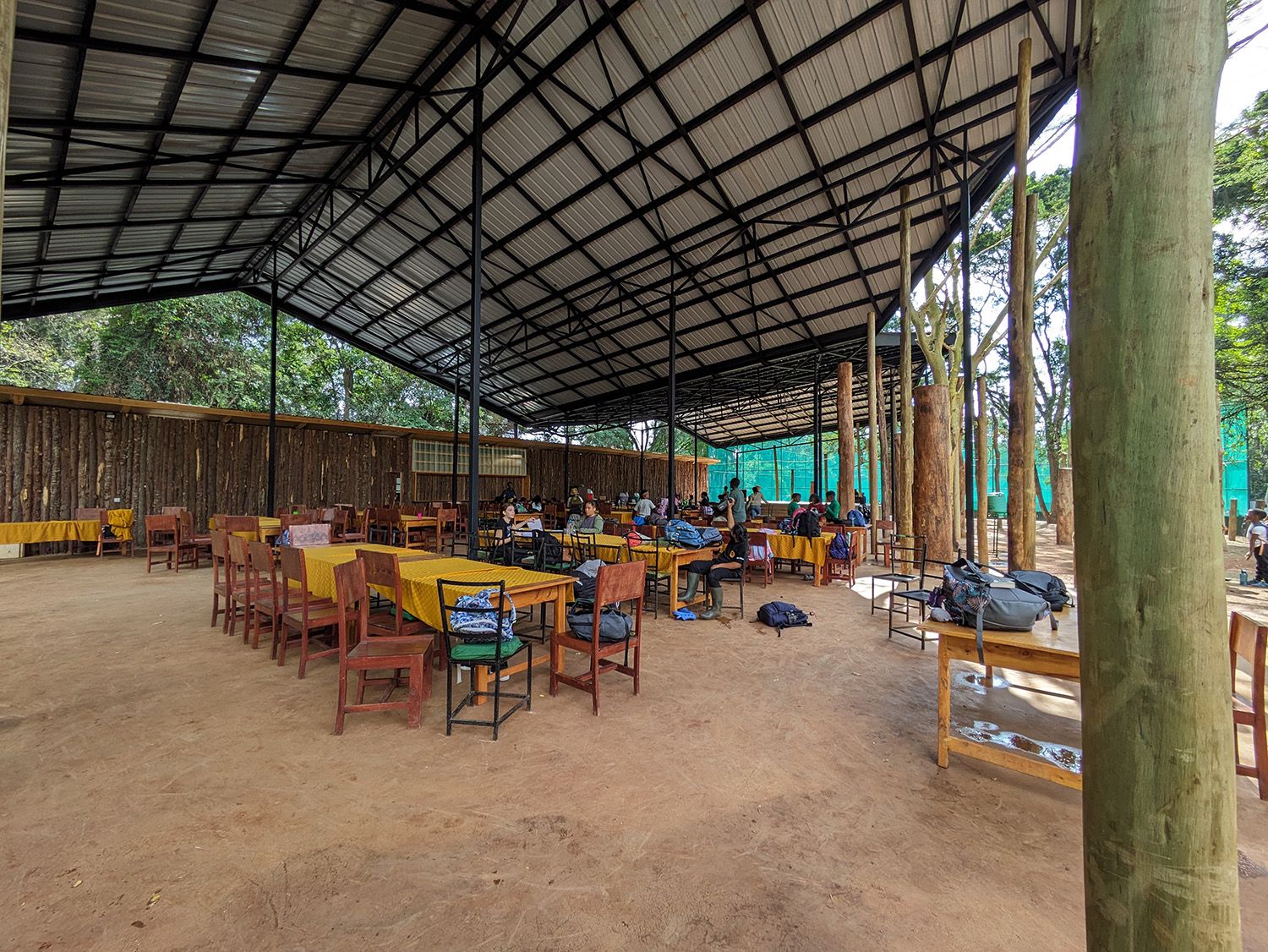
During a public participation exercise on the project, which includes the construction of semi-permanent classrooms, a dining hall, and other facilities, many residents voiced fears that the development could lead to traffic congestion in the area.
An Environmental Impact Assessment (EIA) study conducted by Devlink Resources Consultants on behalf of the school revealed that locals were also worried about noise and vibrations from the construction site.
“The proponent committed to implementing acceleration and deceleration lanes at the school gates to manage traffic congestion during pick-up and drop-off times. This was advised by the Kenya Urban Roads Authority, which recommended that the drop-off and pick-up point for students be within the school compound and that the school have two gates for entry and exit,” the study revealed.
Residents also raised concerns about noise from schoolchildren, particularly during games, despite assurances from the school management that they would adhere to the National Environment Management Authority’s (NEMA) Noise and Excessive Vibration Pollution Control Regulations during the project’s implementation.
The Karen Langata District Association (KLDA) expressed concerns about commercial encroachment into Karen, emphasizing that the area is preserved as a low-density residential zone.
“The proponent has proposed to install low-noise speakers in the auditorium and to approach affected neighbors to soundproof their windows, as well as discourage the use of Public Address Systems (PAS). The project proponent will also inform immediate neighbors through KLDA about any activities within the school likely to generate significant noise in advance,” the study noted.
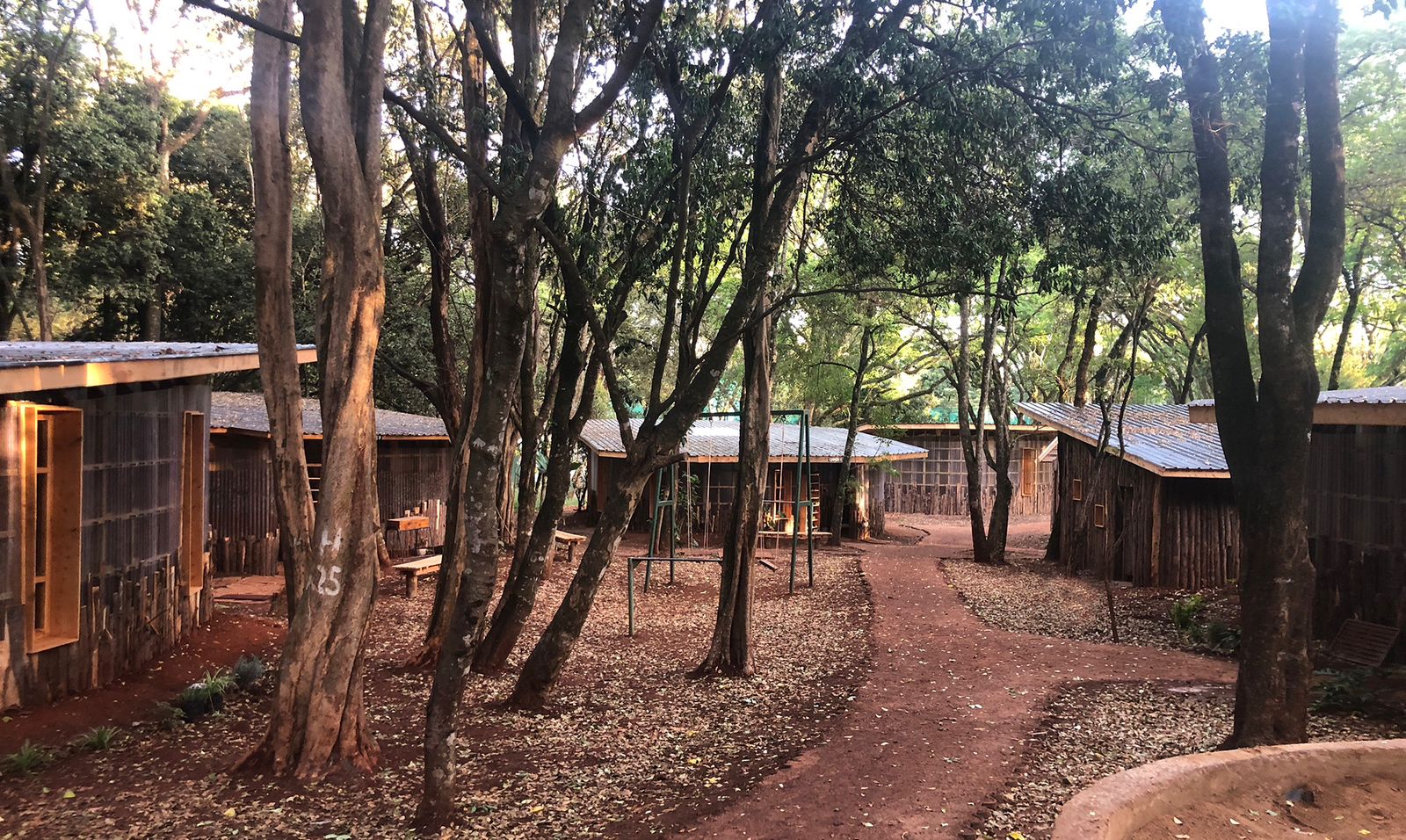
James Kioko, School Director and Board Secretary, emphasized the school’s commitment to environmental sustainability: “The Nairobi Waldorf School Trust has always been committed to environmental sustainability. In line with this commitment, the school has constructed an eco-friendly campus designed to be in harmony with the natural environment. Significant measures have been taken to minimize the impact on the surrounding ecosystem. Wherever possible, in the construction of the classrooms, we integrated existing trees into our campus design, with some classrooms and structures built around them, preserving the natural landscape. Our choice of materials and construction methods reflects our dedication to sustainable practices and reducing our carbon footprint.”
Kioko also addressed traffic concerns, stating, “To address traffic congestion, we have implemented a comprehensive traffic flow program that effectively manages vehicle movement during peak hours. This program has been successful in preventing congestion and ensuring smooth traffic flow, minimizing any disruption to the surrounding community.”
Despite these concerns, the EIA study indicated that the proposed Nairobi Waldorf School Trust development is a highly beneficial investment. The report highlighted several positive impacts, including economic growth, support for the informal sector during construction, the provision of a market for building materials, job creation, and increased government revenue.
“The new development is projected to contribute significantly to the improvement of educational standards within the school and community and to stimulate economic development,” the study concluded.