The figures are more or less what the IMF had projected earlier this year that real GDP growth would hit 5.3 percent, before picking up to around 5.8 percent in 2012/13.
Political stability is still a major factor to watch in the run up to the March 2013 general elections, with a smooth transition to a devolved government at the county level a necessary process.
“The authorities do not believe the elections will affect the direction of the economic policies. Whoever wins I think the policies will continue as they are,” said Domenico Fanizza, who led the IMF mission to Kenya during its bi-annual visit.
Fanizza said the economy is on the rebound after slumping to 4.4 percent last year in a very volatile macroeconomic environment.
Inflation rates easing to 6.09 percent last month and the Central Bank’s cut to its key lending rate by a record 350 basis points to 13 percent were positive outcome of the tight monetary policy.
“The buffer in the international reserves of the Central Bank has increased at around $5 billion and that’s important because it gives confidence to investors,” Fanizza added.
The fund said economic growth is set to accelerate with the gradual easing of the monetary policy in coming months.
“The buffer in the international reserves of the Central Bank has increased at around $5 billion and that’s important because it gives confidence to investors,” Fanizza added.
The widening current account deficit that has been of concern to economists, the IMF said, is set to shrink as growth in domestic demand had been brought in line with that of domestic output.
The country’s heavy dependence on oil imports has placed pressure on the widening Current Account Deficit that is currently in double digit range.
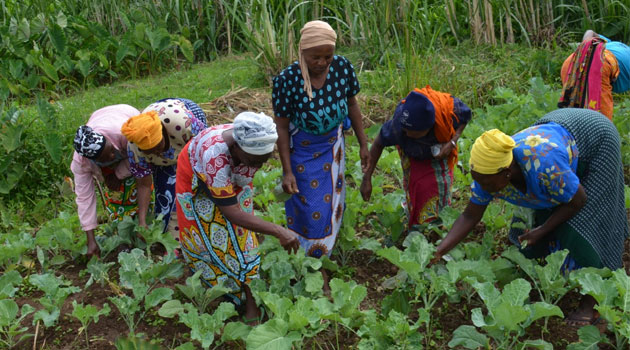
However, with weather conditions stabilizing agricultural production has picked up as well as improved domestic power generation, which have reduced Kenya’s vulnerability to expensive oil and food imports.
Overall, economic prospects for the country remain favourable; however Fanizza says the CBK should redouble its efforts to maintain the gains made so far.