NAIROBI ,Kenya July 14 – Environmental lobby group Greenpeace Africa has opposed plans to establish a proposed 700,000-barrel-per-day oil refinery in Lamu County by Nigerian industrialist Aliko Dangote, warning that the multibillion-shilling project could inflict irreversible damage on one of East Africa’s most sensitive coastal ecosystems.
The opposition comes just days after President William Ruto announced that the planned refinery would create about 60,000 jobs, saying he had reached an understanding with Dangote to proceed with what is expected to become East Africa’s largest refinery.
According to Dangote Industries, the project is already advancing, with the site identified in Lamu, soil testing underway and engineering and design works having commenced.
Construction is expected to take about three years once implementation begins.
In a statement issued Tuesday, Greenpeace Africa Oil and Gas Campaigner Sherelee Odayar said the refinery would lock Kenya into decades of fossil fuel dependence at a time when the global transition toward cleaner energy is accelerating.
“This project threatens to damage one of East Africa’s most fragile coastal ecosystems while locking Kenya into a risky fossil fuel future,” Odayar said.
She warned that Lamu’s mangroves, coral reefs and seagrass beds support fisheries, coastal protection and local livelihoods, arguing that a refinery of such magnitude would increase the risk of habitat destruction, marine pollution, oil spills and air pollution.
Greenpeace also dismissed promises of mass employment as insufficient justification for the investment, arguing that large fossil fuel projects often generate short-term construction jobs while threatening long-term livelihoods in fishing, tourism and other local economic activities.
“The promise of thousands of jobs cannot be used to hide the true cost of this investment,” Odayar said.
The organisation further cautioned that the refinery risks becoming a stranded asset as countries shift toward low-carbon energy systems, saying resources earmarked for the project could instead be invested in expanding Kenya’s renewable energy sector through solar, wind, geothermal power, energy storage and improved electricity access.
Greenpeace is now calling on the government to suspend any approvals for the project until an independent Environmental and Social Impact Assessment is completed, made public and subjected to meaningful public participation.
The organisation said the assessment should comprehensively evaluate the cumulative impact on Lamu’s marine ecosystems and fishing communities, as well as the long-term economic and climate implications of investing in large-scale fossil fuel infrastructure.
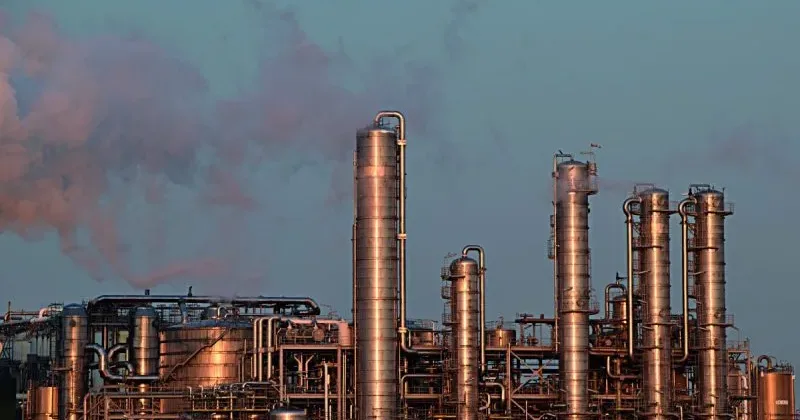
The proposed refinery, estimated to cost about $17 billion (approximately Sh2.2 trillion), would have a processing capacity of 700,000 barrels of crude oil per day, making it the largest refinery in East Africa and one of the biggest on the continent.
Dangote Industries has said the facility will supply refined petroleum products to Kenya and neighbouring countries, reducing the region’s reliance on imported fuel. The company plans to finance the project through internal cash flows, bonds and proceeds from a planned initial public offering.