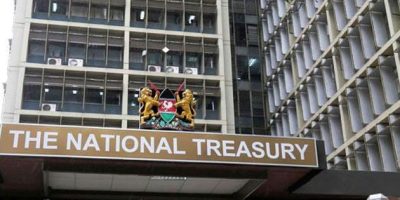
NAIROBI, Kenya, July 22 – The National Treasury has defended its decision to exempt imported raw sugar from certain taxes, saying the move will support local manufacturing despite costing the government more than Sh104 million in forgone revenue.
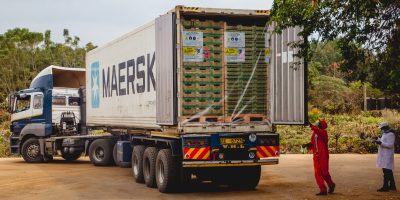
Treasury Cabinet Secretary John Mbadi told the National Assembly’s Departmental Committee on Trade, Industry and Co-operatives that the Kenya Revenue Authority (KRA) waived Sh104.09 million in taxes after Mombasa Sugar Refinery Limited was exempted from paying the Import Declaration Fee (IDF) and Railway Development Levy (RDL) on raw sugar imported for industrial processing under East African Community Legal Notice No. EAC/92/2025.
According to the Treasury, Sh57.83 million of the waived amount was from the Import Declaration Fee, while Sh46.26 million was from the Railway Development Levy.
The waiver has come under scrutiny as Parliament examines tax incentives granted to private firms amid efforts to increase government revenue.
Treasury said the exemption followed an assessment of its short-term fiscal impact against its expected economic benefits.
“The decision was informed by a qualitative assessment of the identifiable fiscal cost against the anticipated public interest benefits of supporting domestic manufacture of industrial sugar.”
“On balance, the anticipated public interest benefits were considered sufficient to justify the limited and conditional exemption.”
The ministry acknowledged the immediate revenue loss but argued that the exemption would help create jobs, promote technology transfer, increase the use of Kenya’s sugar refining capacity and boost value addition.
It also said expanding local industrial sugar production would reduce reliance on imported finished industrial sugar used by pharmaceutical, confectionery and beverage manufacturers while positioning Kenya as a regional supplier.
Treasury maintained that the exemption was conditional and intended to support industrial development rather than provide an open-ended tax incentive.