East African economies face rising costs of climate extremes
NAIROBI, Kenya, Aug 25 – The Greater Horn of Africa is grappling with escalating climate threats, as prolonged droughts, devastating floods, and erratic rainfall patterns continue to undermine food security, water access, and economic stability across the region.
According to the IGAD Climate Prediction and Applications Centre (ICPAC), unpredictable weather has disrupted agriculture, displaced millions, and strained already fragile economies in recent years.
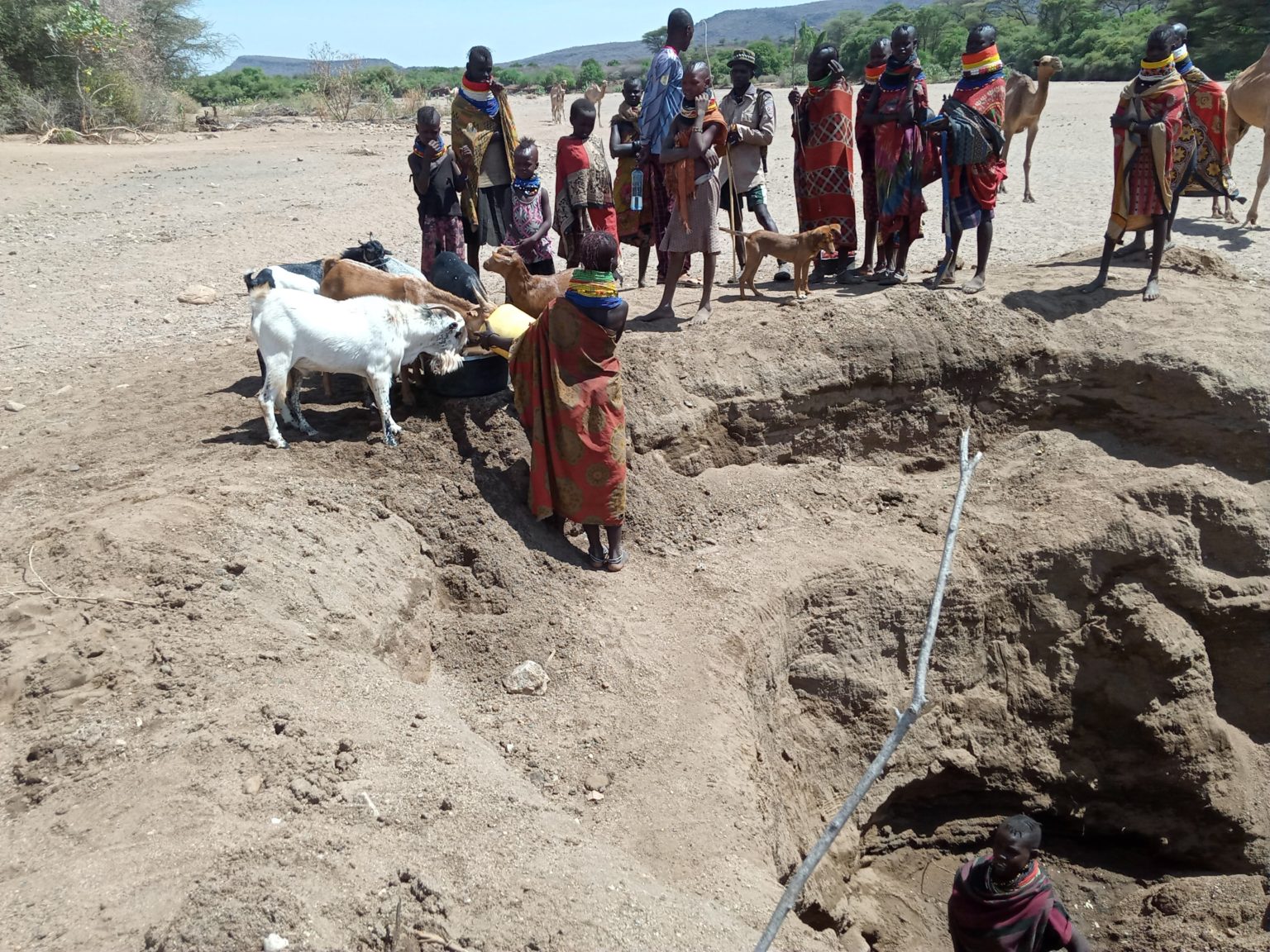
Ethiopia, Somalia, and Kenya have endured consecutive droughts that decimated livestock and left millions dependent on humanitarian aid.
Meanwhile, flash floods in South Sudan and Uganda have destroyed infrastructure, triggered disease outbreaks, and reversed hard-won development gains.
Analysts warn that these shocks are occurring with greater frequency and intensity, testing the resilience of both governments and communities.
The risks extend beyond agriculture — which employs more than 60 percent of the region’s population — to critical sectors such as hydropower, transport, and insurance.
ICPAC notes that businesses across East Africa are increasingly exposed to climate-linked disruptions capable of wiping out investment gains and slowing economic growth.
Cabinet Secretary for Environment, Climate Change and Forestry, Debora Barasa, speaking at the 71st Greater Horn of Africa Climate Outlook Forum (GHACOF 71) in Nairobi, stressed that climate extremes are now systemic rather than isolated events.
“The Greater Horn of Africa is becoming increasingly vulnerable to climate extremes, with communities facing the consequences of erratic rainfall, prolonged droughts, and devastating floods,” she said.
“Addressing them requires more than awareness; it calls for shared knowledge, timely information, and a united regional approach.”