Over the past nine years, Bridge International Academies Kenya has consistently achieved outstanding success in the KCPE examinations, boasting a pass rate of over 60% across multiple counties. The integration of technology within its educational framework has been a key factor in this sustained achievement.
In the final KCPE exams ever to be held, Bridge Mwembe in Kisii county stands out with a remarkable 95% pass rate among its 20 candidates, averaging 345 marks. This success highlights the effectiveness of technology-enabled learning methods.
Managing Director Griffin Asigo reflects on this significant moment, stating, “Concluding the 2023 exams with four of our pupils achieving 400 marks or higher, ranking within the top 0.6%, grants them a competitive advantage in securing admission to prestigious secondary schools.”
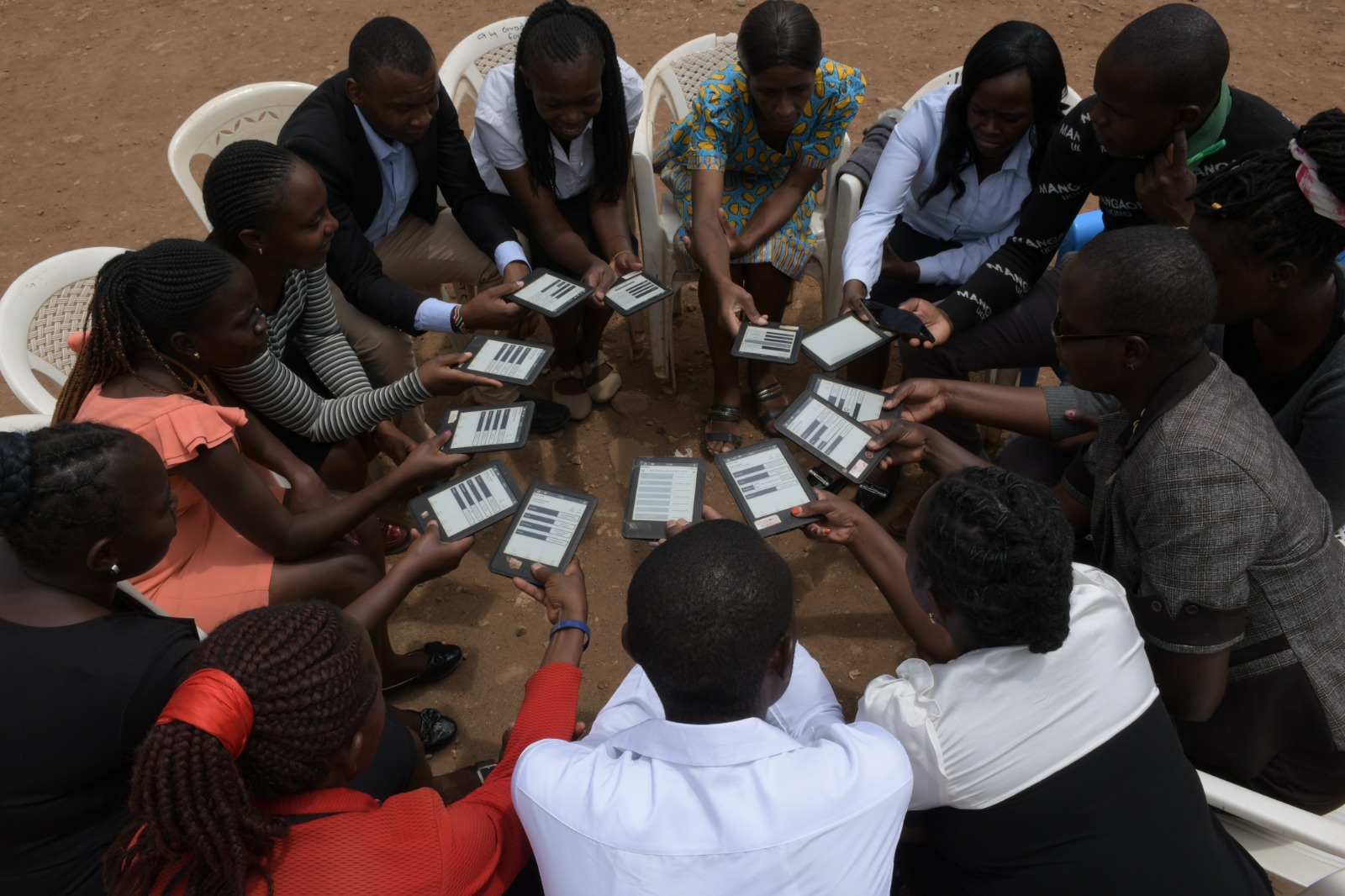
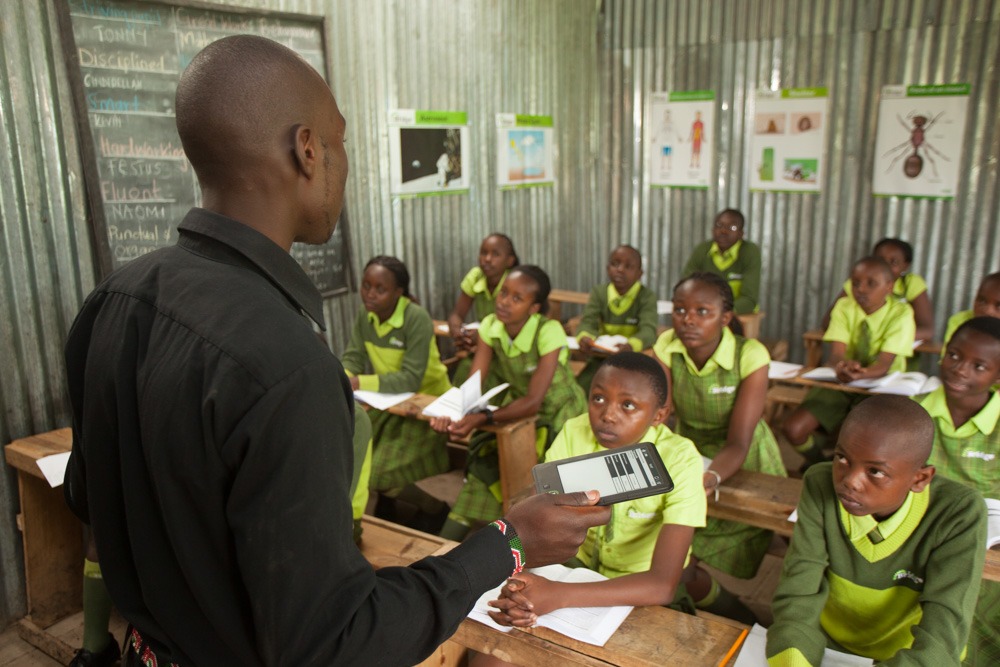
The success is attributed to the utilization of technology as a catalyst for educational innovation. Teacher tablets provide access to standardized content and learning guides, facilitating lesson planning, content delivery, and real-time adjustments to suit individual learning needs.
A vast pool of data, comprising teacher and student attendance, lesson timings, completion rates, and examination performance, is collected annually. This data serves as a dynamic resource, enabling Bridge to tailor lessons, provide targeted teacher training, and offer precise academic support based on identified performance gaps.
This technology-driven model is scalable and replicable on a national level, as evidenced by top-performing academies across various counties in 2023, including Vihiga, Siaya, Kisii, Nyeri, Kisumu, and Kwale, all exhibiting pass rates exceeding 90%. Notably, Vihiga stands out with a remarkable 100% pass rate.
At the recent CIO Symposium and Awards 2023, Bridge’s technological achievements were publicly acknowledged with the Silver Mark of recognition, a testament to their commitment to embracing technology in education.
Bridge’s tech-integrated approach has effectively reached marginalized communities with minimal infrastructure, using low-power tablets that operate for up to five days on a single charge and requiring minimal data access (2G connection).
In conclusion, Bridge Kenya’s success in leveraging technology not only underscores its commitment to quality education but also showcases the potential for technology-driven educational models to thrive even in remote and underserved areas.