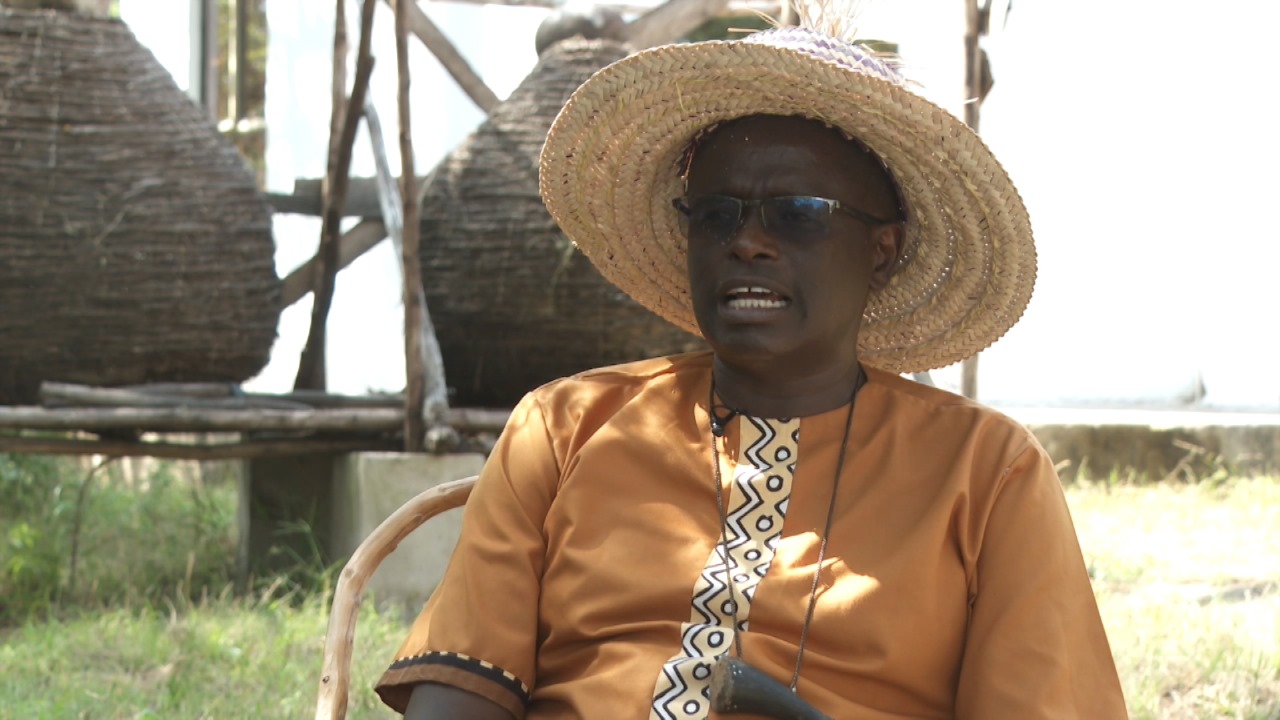
EMALI, Makueni, June 20 – It was around 1996 in Sweden when Mutuku Wa Muindi’s passion for Akamba culture and artifacts flourished.
Being a student in the country at the time, he got an opportunity to visit an artifact exhibition in Stockholm to see some of the wares collected by a famous ethnographer.
When Muindi arrived at the facility, he was astounded to see some Kenyan artifacts there and wondered how they got there in the first place.
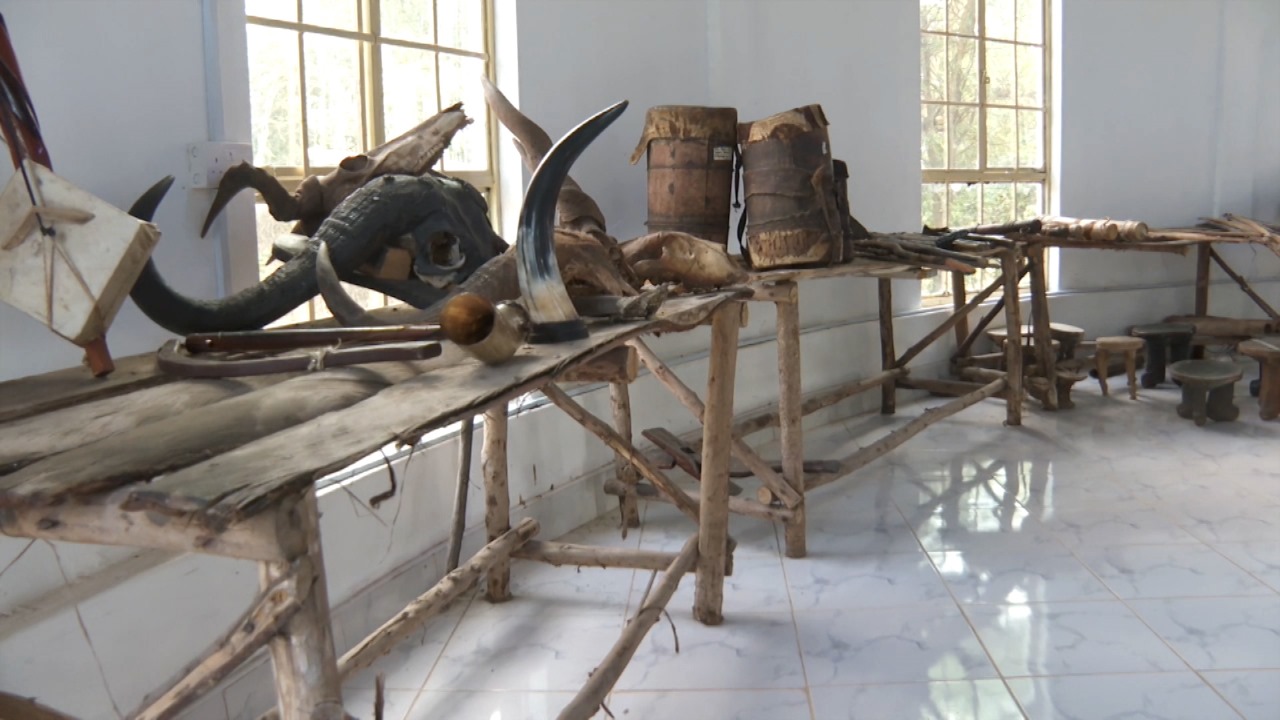
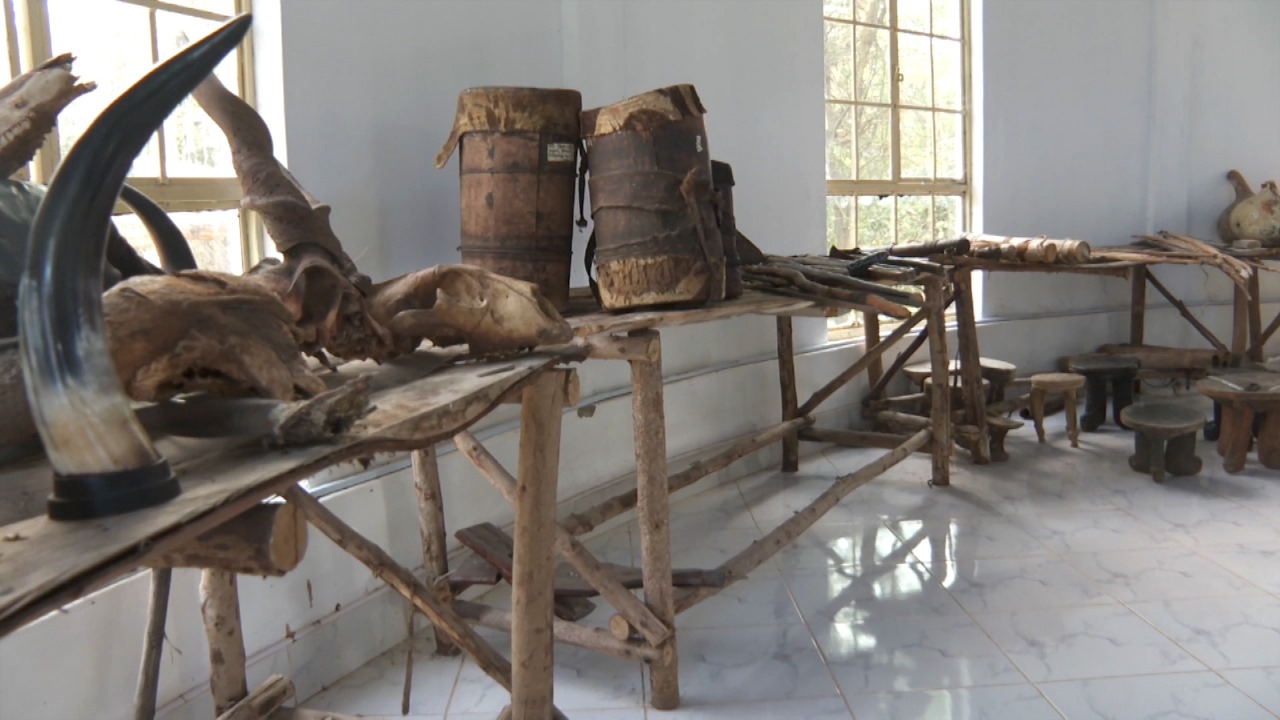
“And then I got thinking, If our artifacts are bad, why are they being exhibited in foreign capitals? If our exhibits are bad, why are these guys holding on to them? And I reasoned and I decided that when I come back to Kenya, I’m coming to collect these artifacts and keep them in the Akamba Cultural Centre and Museum for the benefit of the Kamba people, for the benefit of the whole world, because culture belongs to everybody,” Muindi told Capital Business in a recent interview on the edges of Emali Town in Makueni County.
“Culture belongs to all of us. And I got thinking, and I was saying, If the Kamba lose something that was cultural, the whole world has lost because we don’t know what we have lost,” he adds.
“And as I said, it’s like throwing a treasure trough without opening it, because if we lose our culture, if we lose our way of herbal medicine, we may have lost what we don’t know. Therefore, I became a crusader to collect the intangible and tangible heritage of the Akamba people.”
However, the journey did not start immediately, as Muindi explains.
Immediately after Muindi came back to Kenya, he worked for various non-governmental organizations, including the Kenya Red Cross as branch coordinator in Machakos, Makueni, and Kitui, as well as World Vision as a security supervisor.
He recently resigned from the position at the age of 58 to focus on the project.
“And I took early retirement due to age. I’m now 58 years old, and, of course, 60 is coming. So, it’s better to leave a little bit early and prepare oneself,” he narrates.
Another reason why he set up the facility in 2020 was because the land that the facility sits on was bought in installments because it was huge and costly.
“Number two, we wanted to do natural regeneration. All the trees you see here have not been planted, and by the time I took the land, somebody was farming cotton. So, there were no trees,” he continues.
“Then, in 2020, COVID came, and we were told to work from home. That is when I decided, why can’t I collect all the artifacts I’ve acquired, exhibit them, and do an official opening? Many people turned up, and I said, yeah, this can work. And this is where we are up to today.”
Muindi adds that the land is of cultural significance to the Akamba community since therein sits a shrine.
Way before, Muindi was into conservation under the Mulala Conservation Movement that he started while teaching.
“And as a patron of wildlife, then you can see I was on the right path. And only now did I get a jumpstart when I saw our things being exhibited. And so, I easily included that in my list of things to do because I had already decided on a conservation movement.”
The popularity of the facility has gained recognition and attracted several local and international tourists as well as researchers interested in herbal medicine and Akamba culture.
“We have had researchers from Harvard University; we have researchers from Kenyatta University, Mount Kenya University, and Kenyan University coming here,” he states.
“Next year, we are hosting researchers from Southern Africa and from Canada and the US.”
Since the establishment of the facility, it has supported local communities directly and indirectly, he says.
“The local community benefits a lot because, like during the shooting of a movie that was done by Multicultural Talent Academy, they had recruited over 20 people from the village, and they were paying very well,” he states.
“The University of Michigan has told us that they need 20 youth who can deal with laptops and who can operate laptops because they want to use them as their researchers on what they are researching. And they will engage them for three weeks. That money will still come to the village.”
His passion has also created enemies, as he has been excommunicated from the church.
“I was accused of being an agent of the devil because why am I collecting things that have no basis in Christianity? And so, of course, different talks with different Christian leaders, including the priest, did not end well, and I gave up going to church,” he says.
He thanks the Ministry of Tourism, Magical Kenya, as well as the Makueni County Government for supporting the project.
“I must say, to begin with, the county government of Makueni, the Department of Tourism, and the Department of Culture have done a tremendous job to market this center because they have put us in the tourism circuit for Lower Eastern,” he adds.
“They are always there, and when there is an opportunity, they also recommend. When researchers show up in the county, they are recommended to come here. When any company wants to do anything cultural, they are recommended here.”
He has been able to grow revenue to Sh200,000 from as low as Sh20,000 last year.
“Museum visits the campsite because we run the museum, we have a campsite, we have a club, and we have people come here for meetings. So, all those combined, I’m seeing, and I’m shocked that such money can come to one when it’s in the village.”
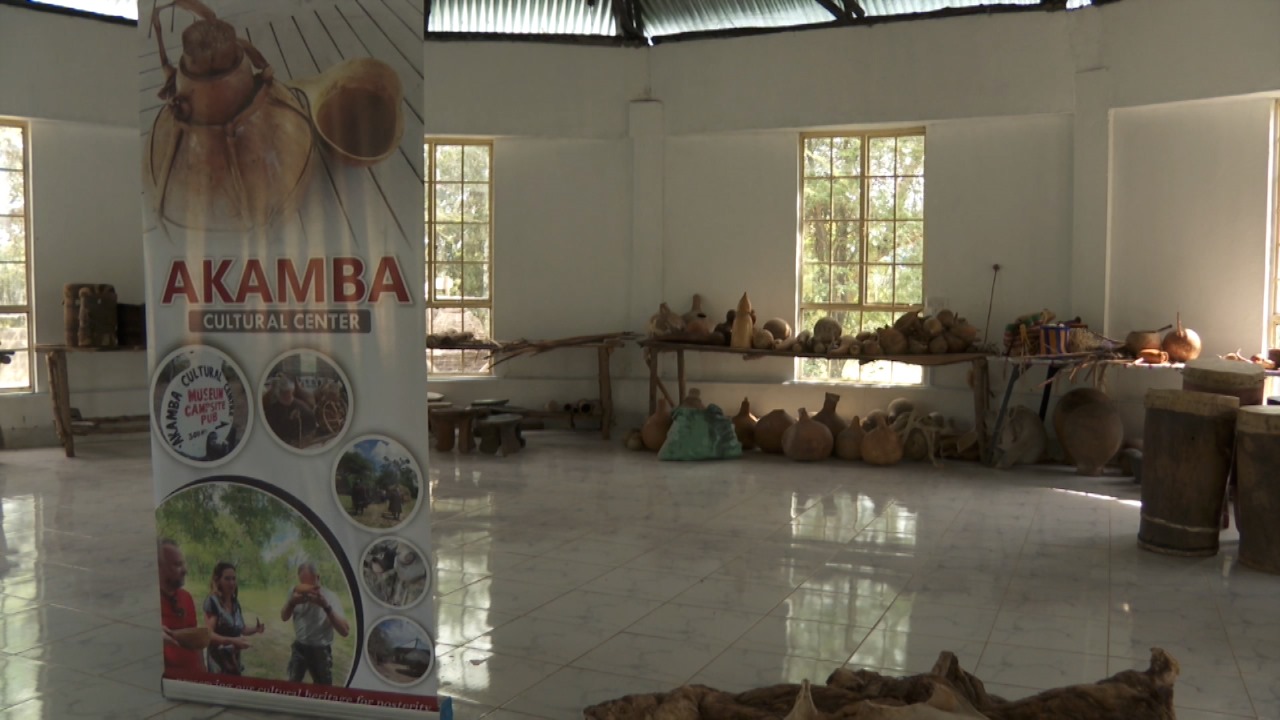
He hopes to pass on the management of the business to his children.
“So, my firstborn has finished Strathmore University, where he was taking finance and accounting. The second child was doing music at Daystar University, where he finished,” he says.
“The third one is doing hospitality management. So, as you can see, accounts will do the accounting for us and a little bit of managing our books. The other one for music will be in charge of entertainment.”
“Then, hospitality management will be overall. And so, it will become a serious family company, a serious family investment, which will be a role model to other youth and other people so that everybody does not run to Nairobi to be employed. We can create employment here.”
Peter Ronko also contributed to this piece