By Brenda Sang’anyi, Founder &CEO Brees Bees Limited
NAIROBI, Kenya, July 27 – Many players in Kenya’s micro, small, and medium enterprises (MSMEs) are now calling for a financial system designed around the realities of running a small business rather than one built for larger, formal enterprises.
Over the years, this sector has been a beneficiary of over Kshs1.8 trillion, funds sourced through youth financing, public programs, financial institutions, development partners, and private-sector initiatives. However, much of this capital has yet to reach the businesses that need it most because the financing models employed rarely reflect the realities of how small businesses operate. This, more than a lack of ambition or hard work, is what continues to hold many MSMEs back.
Based on the current MSME and labour reports, the sector employs over half of Kenya’s working population, with the youth making up over one-third of those employed within the sector. This makes the sector Kenya’s largest employer.
Despite the large amounts of aid flowing into the sector, many of these youth-led MSMEs are operating on thin margins, with owners working long hours while struggling to build lasting financial security and sustainable businesses.
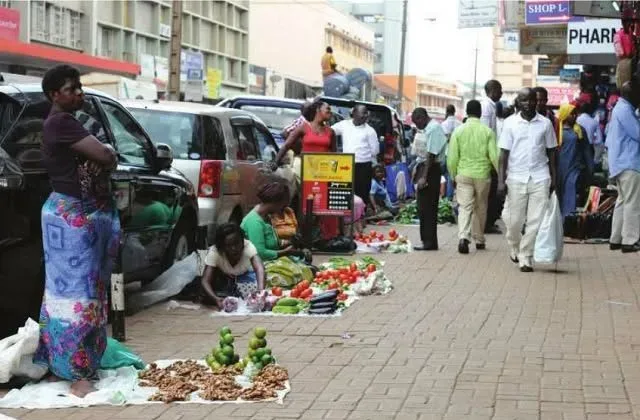
Businesses within the MSME sector are often started with personal savings, where young people create jobs instead of waiting for them, and where women stretch every shilling to keep both households and enterprises running. It is also where refugees, despite numerous barriers, build livelihoods and contribute to local economies. However, the systems designed to support our small businesses often fail to recognise how we actually operate.
We are confronted with challenges including presenting collateral that we do not have. Many of us are just beginning to build financial records, or income patterns that rarely reflect the seasonal and unpredictable nature of small businesses. As well, lengthy approval processes also fail to match the speed at which we are required to make business decisions.
For small business women, these challenges are aggravated by family and caregiving responsibilities that compete with business demands, while refugee entrepreneurs also continue to face documentation requirements that make it difficult to access finance or formalize their businesses. These are clear indicators to the fact that many of these financial systems are not planned with small businesses in mind.
If Kenya is serious about unlocking the full potential of its small businesses, the financial sector must meet MSMEs where they are, instead of expecting them to fit models developed for larger, more established businesses.
Encouragingly, this shift is already beginning to take shape through partnerships that are rethinking how entrepreneurs are supported. The Mastercard Foundation, working alongside financial institutions, business support organisations and government, has demonstrated that expanding access to finance is most effective when it is combined with enterprise development, skills, market linkages and advisory support. This more holistic approach recognises that entrepreneurs need an ecosystem that enables them to succeed, not just access to capital.
Equally important is the need to rethink how finance itself is structured. We are saying that lending that considers business cash flows instead of relying primarily on fixed collateral would make a meaningful difference for thousands of small businesses seeking to grow; just as repayment schedules that accommodate seasonal income, and faster disbursement processes that ease working capital pressures would ensure that financing works the way small businesses actually operate.
Another concern across the MSME sector is the fragmented support ecosystem. Small business owners spend valuable time moving from one institution to another in search of finance, training, market access and advisory services, each with different requirements and application processes. Instead of growing our businesses, we often find ourselves navigating systems that should be working together.
Better coordination between government, financial institutions, development partners and business support organisations would simplify this journey and allow us to focus more on growing the businesses than navigating these complex systems.
Kenya’s last comprehensive MSME survey was conducted nearly a decade ago. Since then, digital commerce has changed the way we conduct business, while climate-related shocks have reshaped business models, even as youth entrepreneurship has also evolved considerably. The Government therefore needs to conduct an updated MSME survey to equip policymakers and financial institutions with the data they need to design solutions for today’s economy.
From experience, we know that when finance is accessible, flexible and responsive, entrepreneurs are more willing to invest, expand, create jobs and strengthen local supply chains. The greatest impact will come not simply from making more capital available, but from ensuring that existing capital works for the businesses it is intended to support.