NAIROBI, Kenya, Jul 30 – Nearly nine in 10 Kenyan workers are experiencing workplace stress, highlighting growing concerns over employee wellbeing, productivity and talent retention, according to a new survey by Niche Human Capital Advisory.
The survey found that 87 percent of Kenyan employees report experiencing stress, while 80.4 percent of workers across the region face moderate to extreme workplace stress.
It also showed that 67.8 percent of employees in Sub-Saharan Africa experience emotional exhaustion and burnout, with 82.5 percent saying employers need to do more to support their mental wellbeing.
Niche Human Capital Advisory Partner Rebecca Gichuki said employee wellbeing has become a business issue rather than solely a human resources concern.
“The workplace has become one of the most important determinants of organisational success,” she said.
“Our findings show that employee wellbeing is no longer simply an HR issue. It is a leadership and business issue. Organisations that invest in healthier workplaces, stronger leadership and supportive cultures are better placed to improve productivity, retain talent and build resilient businesses.”
The report comes as businesses contend with rising burnout, changing workforce expectations and increasing competition for skilled employees.
Globally, workplace stress, poor mental health and employee disengagement cost businesses an estimated $10 trillion in lost productivity each year, according to the report.
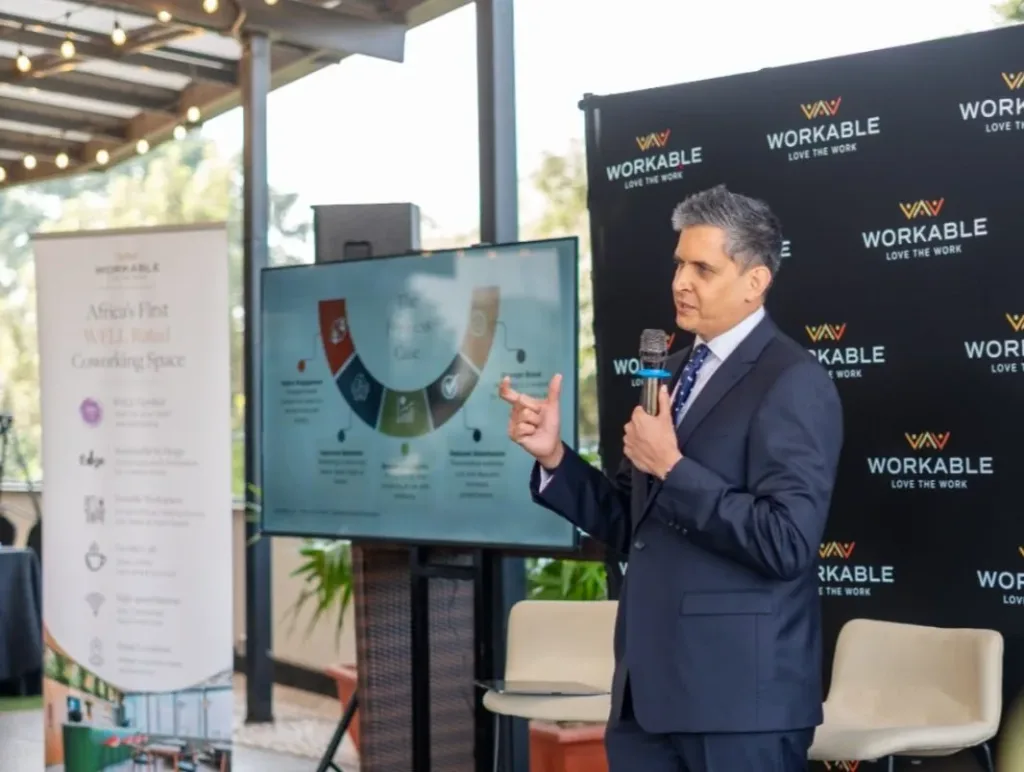
Separately, Kenyan coworking space Workable became the first in Africa to receive the WELL Coworking Rating, a certification awarded by the International WELL Building Institute (IWBI) and The Instant Group for meeting international workplace health and wellbeing standards.
Workable founder and Chief Executive Officer Samir Patel said healthier workplaces are increasingly becoming a business imperative.
“Businesses have always measured the cost of office space. Today, they also have to measure the cost of unhealthy workplaces. When stress, burnout and disengagement affect performance, investing in healthier workplaces becomes an investment in innovation, productivity and long-term business growth,” he said.
The WELL Coworking Rating assesses workspaces based on factors including indoor air quality, lighting, water quality, thermal comfort, movement, nutrition, mental wellbeing and community.
Ann Marie Aguilar, Senior Vice President for Europe, the Middle East and Africa at the International WELL Building Institute, said the certification demonstrates Africa’s growing adoption of global standards for healthier workplaces.
The findings come as employers increasingly focus on workplace wellbeing as a way to improve productivity, attract talent and build more resilient organisations.