NAIROBI, Kenya, May 18 – The rising cost of construction materials in Kenya could pave the way for an increase in substandard buildings, industry stakeholders have warned.
Their concerns come amid growing frustration over heavy taxes levied on key building materials charges they say are pushing developers and contractors to the brink. The call to action is now directed at the government, with players urging a reconsideration of these tax policies.
“This tax will adversely affect the cost of production because if you add the 2.5 percent tax, it will indeed have substantial effect and when you tell the client of increased cost of production, they actually fire you and find another contractor,” decried Hiram Mwangi, a contractor.
According to the latest data from the Kenya National Bureau of Statistics, the construction sector has slowed, with a noticeable drop in building activity a sign of growing pressure on the industry.
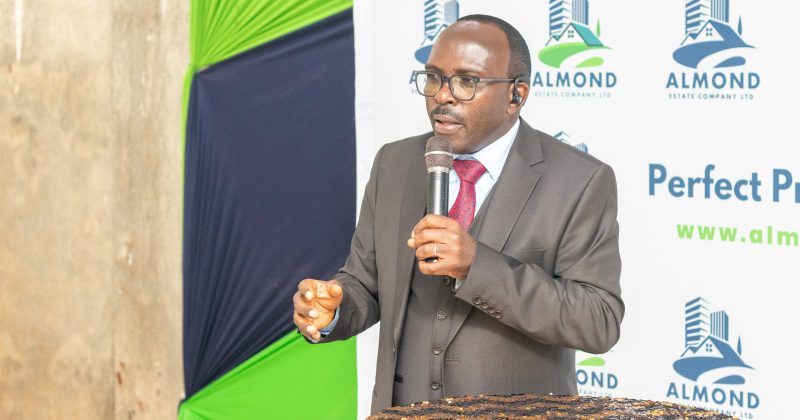
Speaking at a groundbreaking ceremony for a new housing project in Kiserian, Kajiado County, Dr. Chrispus Wachira, Managing Director of Almond Estate Company, echoed the industry’s concerns. He said the impact is already evident in declining home ownership rates and called for a broader review of input costs, including electricity.
“We would urge that the government looks into the component of cost of construction because when it goes up then the end product goes up and therefore it brings an element of inability of people to own homes,” said Wachira.
The launch event, held in Kiserian, Kajiado West, was welcomed by local residents, many of whom expressed optimism about the region’s transformation from a once-neglected, arid landscape into a burgeoning residential hub.
“Previously, if you were given this place for free you would have refused because it was deserted and quite arid. Over time people have migrated to this place which is good for us as contractors as it gives us employment opportunities,” said Daniel Muiruri.
Investors at the event praised the turnkey model adopted by Almond Estate and other developers, saying it eased the pressure on homeowners and small-scale investors.
“You don’t have to go looking for the materials and supervising the fundis. You just leave the construction to the firm and focus on doing other things. Trusting they will do a good job,” said Rev. Gikwa.