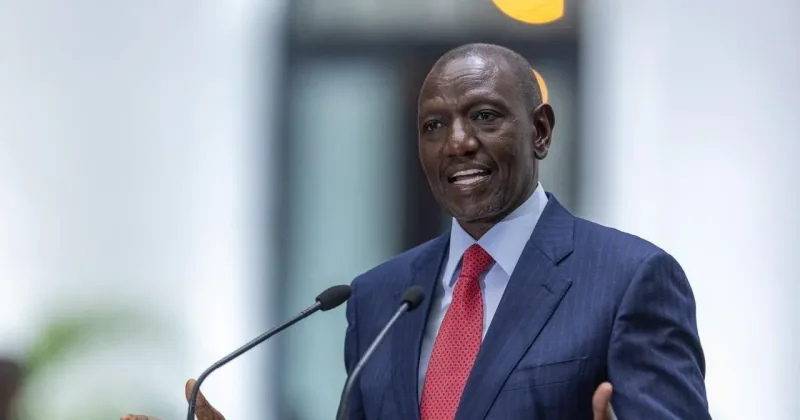
NAIROBI, Kenya Aug 20 – The Government will engage more international pharmaceutical manufacturers on the reduction of prices of critical medicine required to treat Kenyans living with chronic diseases, President William Ruto has said.
This follows feedback from Kenyans at the second and last day of the Kenya Health Summit, who said the cost of drugs for treating non-communicable diseases, including cancer, remain prohibitively high for citizens.
The President said he will soon meet the leadership of American multinational pharmaceutical Pfizer Plc to discuss the possibility of making life-saving medicines available in Kenya at reduced prices.
“Quite a substantial amount of the medicine we are using in the country come from Pfizer,” he said during a session with Kenyans on their experiences with the implementation of universal health coverage at the Kenyatta International Conference Centre, Nairobi, on Wednesday.
He added: “Our engagement with Pfizer would be on drugs being supplied collectively to many facilities rather than individually. There is power in negotiating as Government.”
President Ruto cited the 2025 partnership agreement between Ministry of Health and Roche East Africa that reduced the cost of the key breast and gastric cancer drug Herceptin (trastuzumab) from KSh120,000 to KSh40,000 for a session of treatment.
“Our argument was that we have a pool of patients, and therefore we need to benefit from economies of scale. They agreed to bring the price down substantially to a third of the original cost,” he said.
The President said similar arrangements with the Council of Governors had made it possible for medical equipment manufacturers to equip Kenyan hospitals with modern cutting-edge machines at a tune of KSh9.8 billion at no expense to the taxpayer.
At the same time, he explained the Government’s commitment to promoting local pharmaceutical manufacturers, who currently supply 30 per cent of the local market.
He pointed out that the Government will find a win-win solution of reducing the cost of packaging materials to bring down the cost of medicine while promoting local paper manufacturers.
Present were Heath Cabinet Secretary Aden Duale, Council of Governors (CoG) Chairperson and Wajir Governor Ahmed Abdullahi, Mombasa Governor Abdulswamad Nassir, who chairs the CoG Health Committe, and Principal Secretaries, among others.
Additionally, President Ruto said the National Government will work with counties and the Salaries and Remuneration Commission to end an ongoing strike by nurses and clinical officers over pay.
Governor Abdullahi commended the National Government for releasing shareable revenue due to counties for the 2026/2027 financial year on time, ensuring that that the devolved units operate smoothly.
He explained that failure by some counties to pay salaries of health workers was a result of normal challenges witnessed during the transition between financial years, and the delay of budgets approvals by the Controller of Budget.
The President announced that the Kenya Medical Training College (KMTC) students will soon enjoy full funding from the Higher Education Loans Board just like university students once the Tertiary Education, Placement and Funding Bill, which is before Parliament, is passed into law.
Closing the inaugural Kenya Health Summit, President Ruto reminded Kenyans that health matters begin with preventive and promoting care, and in healthy lifestyles.
“We need to control sickness through what we eat. In the conversation of Kenya Beyond 2030, we should think about health beyond hospitals,” he said.
EndThe Government will engage more international pharmaceutical manufacturers on the reduction of prices of critical medicine required to treat Kenyans living with chronic diseases, President William Ruto has said.
This follows feedback from Kenyans at the second and last day of the Kenya Health Summit, who said the cost of drugs for treating non-communicable diseases, including cancer, remain prohibitively high for citizens.
The President said he will soon meet the leadership of American multinational pharmaceutical Pfizer Plc to discuss the possibility of making life-saving medicines available in Kenya at reduced prices.
“Quite a substantial amount of the medicine we are using in the country come from Pfizer,” he said during a session with Kenyans on their experiences with the implementation of universal health coverage at the Kenyatta International Conference Centre, Nairobi, on Wednesday.
He added: “Our engagement with Pfizer would be on drugs being supplied collectively to many facilities rather than individually. There is power in negotiating as Government.”
President Ruto cited the 2025 partnership agreement between Ministry of Health and Roche East Africa that reduced the cost of the key breast and gastric cancer drug Herceptin (trastuzumab) from KSh120,000 to KSh40,000 for a session of treatment.
“Our argument was that we have a pool of patients, and therefore we need to benefit from economies of scale. They agreed to bring the price down substantially to a third of the original cost,” he said.
The President said similar arrangements with the Council of Governors had made it possible for medical equipment manufacturers to equip Kenyan hospitals with modern cutting-edge machines at a tune of KSh9.8 billion at no expense to the taxpayer.
At the same time, he explained the Government’s commitment to promoting local pharmaceutical manufacturers, who currently supply 30 per cent of the local market.
He pointed out that the Government will find a win-win solution of reducing the cost of packaging materials to bring down the cost of medicine while promoting local paper manufacturers.
Present were Heath Cabinet Secretary Aden Duale, Council of Governors (CoG) Chairperson and Wajir Governor Ahmed Abdullahi, Mombasa Governor Abdulswamad Nassir, who chairs the CoG Health Committe, and Principal Secretaries, among others.
Additionally, President Ruto said the National Government will work with counties and the Salaries and Remuneration Commission to end an ongoing strike by nurses and clinical officers over pay.
Governor Abdullahi commended the National Government for releasing shareable revenue due to counties for the 2026/2027 financial year on time, ensuring that that the devolved units operate smoothly.
He explained that failure by some counties to pay salaries of health workers was a result of normal challenges witnessed during the transition between financial years, and the delay of budgets approvals by the Controller of Budget.
The President announced that the Kenya Medical Training College (KMTC) students will soon enjoy full funding from the Higher Education Loans Board just like university students once the Tertiary Education, Placement and Funding Bill, which is before Parliament, is passed into law.
Closing the inaugural Kenya Health Summit, President Ruto reminded Kenyans that health matters begin with preventive and promoting care, and in healthy lifestyles.
“We need to control sickness through what we eat. In the conversation of Kenya Beyond 2030, we should think about health beyond hospitals,” he said.
End