NAIROBI, Kenya, Sep 28 – Victims’ families and human rights groups have welcomed Tuesday’s ruling by the High Court in Nairobi to transfer the long-delayed Baby Pendo case to Kisumu, where the brutal killing and related abuses occurred during the 2017 post-election violence.
The ruling recognized Kisumu as the proper venue for the trial since most victims, survivors, and key witnesses are based there.
The court also noted that proximity to the crime scene would enable a more effective trial process.
However, despite this procedural victory, human rights advocates cautioned that the venue change is only a small step toward accountability, stressing that survivors continue to face major obstacles in their pursuit of justice.
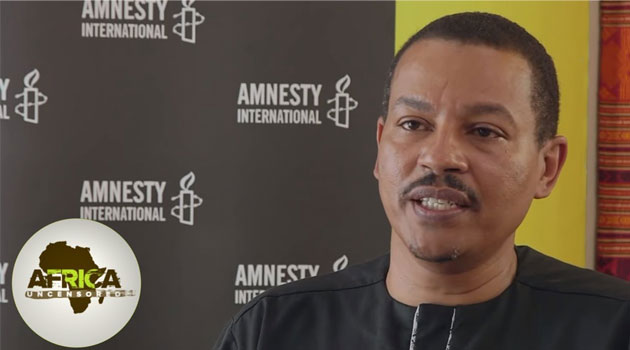
“It’s been three years since the case was filed, yet it hasn’t even reached the trial stage,” said Irungu Houghton, Executive Director of Amnesty International Kenya.
“Instead of moving forward, the case has been bogged down by delays, judge reassignments, and procedural stalling.”
According to Amnesty International Kenya, Utu Wetu Trust, and the International Justice Mission, the case has repeatedly been derailed by defense applications and prosecutorial setbacks.
Most notably, in May 2025, the Office of the Director of Public Prosecutions (ODPP) dropped charges against eight of the twelve police officers initially implicated, a move that survivors described as a blow to their faith in the justice system.
Delays
In total, ten additional defense filings have delayed even basic legal steps, including the taking of pleas.
Vincent Chahale, Kenya Country Director of the International Justice Mission, emphasized the need for judicial urgency.
“The transfer to Kisumu removes one hurdle, but unless the Judiciary takes firm control of the trial calendar, justice will remain elusive. Survivors have waited long enough.”
Concerns also persist over the continued absence of Officer Mohamed Baa, one of the accused, who has evaded court for nearly three years despite an active arrest warrant.
Human rights groups have criticized both the National Police Service and the courts for failing to apprehend him.
“The refusal to allow a public display of his photograph is a missed opportunity,” said Christine Alai, co-founder of Utu Wetu Trust.
“Survivors do not feel safe, and the state’s failure to enforce the arrest warrant undermines public confidence in the process.”
As the case heads to Kisumu, the coalition of rights organizations is urging the Judiciary, ODPP, IPOA, and the Witness Protection Agency to guarantee the safety and participation of victims and witnesses.
They argue that while the facts of the case—including the killing of Baby Samantha Pendo and reports of torture and sexual violence—are not in question, the true test now is whether Kenya’s justice system can finally deliver accountability.
“Justice must move from paper to action,” said Houghton. “The families have carried this burden for far too long. The time for delays is over.”
Baby Pendo, a six-month-old infant, was fatally injured during a police crackdown in Kisumu in August 2017.
Her death became a symbol of the violence and impunity that marred that post-election period and has come to embody a broader demand for police accountability in Kenya.