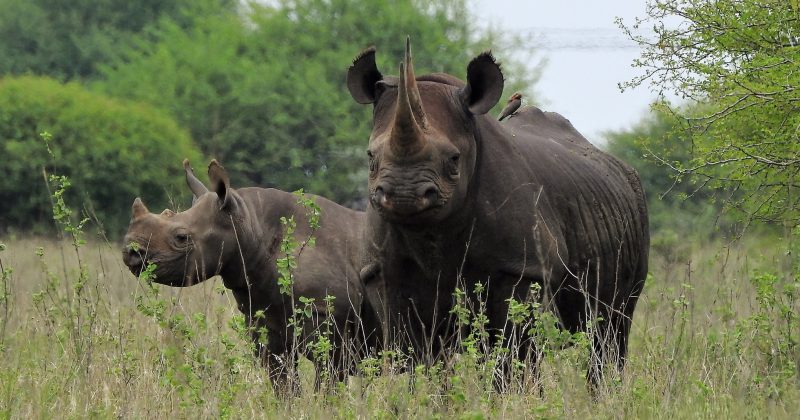
NAIROBI, Kenya, Oct 14 – Kenya’s efforts to expand black rhino habitats are targeting an additional USD 45 million (Sh5.8 billion) in economic activity, with the initiative linking wildlife conservation to tourism investment, job creation and livelihoods in communities surrounding protected areas.
The Kenya Rhino Range Expansion (KRRE), working with the Kenya Wildlife Service (KWS) and other public and private sector partners, says expanding rhino habitats across Tsavo and Central Kenya could support new employment opportunities while easing pressure on existing populations.
The initiative comes as Kenya seeks to implement its National Black Rhino Recovery and Action Plan 2022–2026, which targets annual population growth of five percent and the restoration of the species’ historic range.
KRRE Chief Executive Officer Jamie Gaymer said conservation efforts must deliver tangible economic benefits to communities living alongside wildlife to secure long-term support for the programme.
“The Kenya Rhino Range expansion is not just about rhinos and environmental conservation. It’s about people. It’s about ensuring that we improve livelihoods for people surrounding the areas in which we hope to introduce rhinos,” Gaymer said.
Tourism provides a potential economic base for the initiative, with the World Travel and Tourism Council estimating that the sector contributed USD 12.7 billion, equivalent to 9.3 percent of Kenya’s gross domestic product, in 2025 and supported 1.8 million jobs.
KRRE expects the expansion of rhino habitats to stimulate demand for rangers, researchers, wildlife monitors, tour drivers and accommodation facilities, alongside indirect employment in construction and other services supporting tourism.
However, the projected USD 45 million economic boost remains a target, with the initiative yet to detail the expected timeline for delivery or the breakdown of investment and employment opportunities across participating communities.
The expansion of Tsavo West Rhino Sanctuary illustrates the scale of infrastructure required to support the programme.
The sanctuary has increased the roaming area available to approximately 150 black rhinos from 92 square kilometers to 3,200 square kilometers, more than 30 times the previous area.
The expansion has supported the deployment of more than 100 rangers, alongside investment in accommodation for wildlife officers, water points and fencing.
KWS and KRRE have also completed a second exercise involving ear notching and transmitter placement, enabling the identification and monitoring of 75 percent of Tsavo West’s existing rhino population.
The tracking programme is expected to strengthen wildlife monitoring across what KRRE describes as Africa’s largest rhino sanctuary of its kind.
Beyond Tsavo, KRRE is working with community conservancies, including Naibunga, where plans to remove invasive prickly pear are intended to restore rangelands for livestock while opening up habitat for wildlife.
The initiative is also supporting Sera Community Conservancy’s rhino conservation programme as it explores opportunities to expand its work to other community-managed landscapes.