NAIROBI, Kenya, Aug 19-More than 1,000 humanitarian workers have been killed over the past three years, the United Nations has warned, as the world marks World Humanitarian Day amid growing attacks on those delivering life-saving assistance in conflict and disaster zones.
UN Secretary-General António Guterres said humanitarian workers are operating in increasingly dangerous conditions, with most of those killed being local staff serving their own communities.
“Serving others has become more dangerous than ever. More than a thousand humanitarians have been killed in the last 3 years,” Guterres said.
He said countless other aid workers had narrowly survived shootings, shelling, bombings, kidnappings and sexual violence, while schools and hospitals are increasingly coming under attack.
Guterres also warned that the growing use of new weapons, including armed drones, is creating additional dangers for humanitarian personnel working in conflict zones.
The UN chief said the deterioration of security is being compounded by shrinking humanitarian funding, restrictions on access and growing threats against aid workers.
“We see aid convoys blocked, aid workers threatened, arrested and detained and people in desperate need left without support,” he said.
He stressed that attacks on humanitarian personnel are illegal and can have devastating consequences for civilians who rely on humanitarian assistance to survive.
“The world has made commitments. Now we must act to respect the rules of law, ensure safe access, hold perpetrators accountable, and provide sufficient resources,” Guterres said.
The UN warning comes as humanitarian agencies report a sharp deterioration in the safety of personnel providing food, healthcare, shelter and other essential services in some of the world’s most severe crises.
The UN Office for the Coordination of Humanitarian Affairs (OCHA) said 907 aid workers were killed, injured or kidnapped in 2025, with armed drones emerging as a particularly dangerous threat in modern conflicts.
The World Health Organization said attacks on healthcare have also taken a devastating toll.
In 2026 alone, 911 health workers and patients have been killed in attacks on healthcare across 19 countries and territories, while nearly 1,486 others have been injured.
“Health is never a target. Stop attacks on health care,” WHO said.
The agency said health workers often continue providing care despite the risks, with their deaths leaving behind grieving families, communities and already fragile health systems.
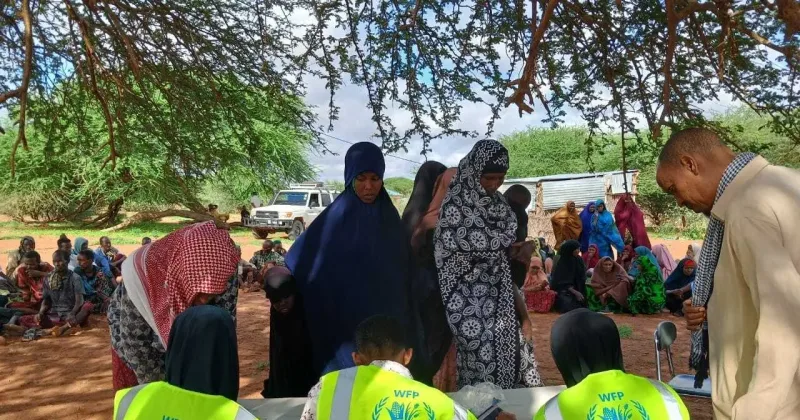
The World Food Programme also paid tribute to the thousands of people working behind humanitarian operations, including drivers, pilots, warehouse teams, engineers, nutrition specialists and emergency responders.
“Today, and every day, we honour them and their commitment to serving others,” WFP said.
The humanitarian toll has been particularly severe in Gaza, where the United Nations Relief and Works Agency for Palestine Refugees in the Near East (UNRWA) said it has lost 393 staff members since the conflict began.
UNRWA said those killed included teachers, medical personnel and aid workers who continued serving communities facing the conflict.
“Yet attacks harming humanitarians have become common. Since the conflict in Gaza began, we have lost 393 UNRWA colleagues,” the agency said.
It described the deaths as the highest number of UNRWA colleagues killed in any conflict or disaster in the history of the United Nations.
The agency said its staff continues providing essential services to Palestine refugees across its five fields of operation — Gaza, the occupied West Bank including East Jerusalem, Lebanon, Syria and Jordan.
“Their work is a lifeline for those in need, and it must be enabled,” UNRWA said.
Kenya honours its humanitarian volunteers
In Kenya, the Kenya Red Cross used World Humanitarian Day to recognise volunteers who continue to respond to emergencies ranging from droughts and floods to fires and road crashes.
The organisation said many of the crises its volunteers respond to never make headlines, but still leave communities in need of urgent assistance.
“Some crises make headlines. Most don’t. Our volunteers show up for both,” Kenya Red Cross said.
The organisation said its volunteers have served communities for decades, often putting themselves in difficult and dangerous situations to assist people affected by emergencies.
The global commemorations have therefore taken on a more urgent tone this year, with humanitarian organisations calling on governments and armed groups to protect aid workers and allow assistance to reach civilians.
UNICEF said humanitarian workers are increasingly facing attacks while trying to protect and save children caught up in conflicts.
The agency called on world leaders to take action to protect humanitarian workers and ensure they can continue delivering assistance to children.
For Guterres, the message on World Humanitarian Day is ultimately a call for action rather than commemoration.
“Humanitarian workers stand up for people in need. We must stand up for them. We must act for humanity now,” he said.