By David Mwindi
Like New York, London and Berlin, Nairobi’s marathon is becoming more than a race: Kenya’s largest single-day sporting event and a platform for sport, tourism, small business, corporate investment and city branding that is beginning to shape the city’s economic and reputational infrastructure.
The comparison matters because major city marathons are no longer staged merely for elite athletes and enthusiastic amateurs. New York, London, Berlin and Tokyo use them to fill hotel rooms, animate retail corridors, attract media attention, support sponsors, deepen civic identity and sell a city’s story to the world.
Nairobi’s proposition is different but no less compelling: altitude, a global reputation for distance running, a young entrepreneurial population, and a city increasingly positioning itself as a regional hub for business, culture and sport.
The global numbers are instructive. The 2024 TCS New York City Marathon generated nearly US$700 million in spending, while year-round races injected almost US$1 billion into New York City’s economy. Brand Finance estimates the world’s top 50 marathons generate US$5.2 billion in economic impact. Berlin’s 2024 marathon generated about US$534 million in total economic output over four days, while the 2025 Tokyo Marathon drove about US$100 million in incremental consumer spending over three days.
Seen against that backdrop, the Standard Chartered Nairobi Marathon is beginning to show similar characteristics at a local scale. Since its inception in 2003, it has mobilised more than KES 1 billion in sponsorship and event investment and raised more than KES 520 million for community initiatives nationwide, including a record KES 76 million in 2025. On race day itself, the 2025 edition injected an estimated KES 453 million into the national economy, before the longer-tail value from supplier payments, hospitality, transport, retail activity, media exposure, sports tourism and community programmes is fully counted.
That value begins well before race day. Organisers contract suppliers, sponsors activate campaigns, retailers sell running gear, hotels prepare for visitors, transport providers plan for movement across the city, and medical, security and technology partners build the operating backbone of the event. For small businesses, the marathon is not just a branding moment but a commercial opportunity: tents, food, water, printing, logistics, photography, temporary labour and merchandising all sit within the chain.
On race weekend, Nairobi becomes a concentrated marketplace. Local and international runners, families and supporters move through the city, while vendors, drivers, hospitality providers, event crews, photographers, cleaners and security teams participate in the value created by the race. Some of this spending is captured in formal assessments; much of it flows through informal and small-enterprise activity that is harder to track but no less important. The economic argument is strongest when the value moves beyond sponsors and organisers into the wider city.
The marathon’s social return is also material. Through Standard Chartered Foundation, marathon registration proceeds have supported education, employability and entrepreneurship, particularly for young people, women and persons with disabilities. Since 2019, the initiative has reached more than 55,000 underserved young people and supported more than 1,300 microbusinesses through a KES 133 million employability programme. This gives the race a broader development logic: it converts sporting participation and corporate funding into skills, enterprise and inclusion.
There is a reputational dividend, too. The marathon’s recognition as a World Athletics road race label event matters because standards attract serious runners, credible sponsors and global attention. Kenya’s athletics reputation is often associated with high-altitude training towns and elite champions. Nairobi’s opportunity is to extend that reputation into an urban race experience that is professionally run, commercially credible and internationally recognisable.
For corporate Kenya, this explains why sponsorship has moved beyond logo placement. Companies now look for platforms that combine visibility, employee wellness, customer engagement, community relevance and measurable impact. The 2025 edition’s record sponsorship, supported by 43 sponsors contributions, suggests the private sector sees the marathon as a trusted platform rather than a seasonal marketing expense. That confidence is valuable, but it also raises expectations on governance, measurement and delivery.
The next step is to build more deliberately on what the Standard Chartered Nairobi Marathon has already started. Its model already brings together event organisers, county authorities, sponsors, suppliers, sports bodies and community partners; the opportunity is to deepen that coordination and measure its value more consistently. Better data on visitor spending, supplier participation, job creation, media value, small business impact and repeat tourism would help Nairobi demonstrate the full scale of a marathon economy that is already taking shape. The route should be viewed not merely as a course, but as a showcase of the city’s infrastructure, hospitality, creative energy and commercial ambition.
The Standard Chartered Nairobi Marathon began as a platform for running and giving. It has matured into a platform for economic activity, civic pride and social investment. That is the real marathon economy: measured not only in kilometres, but in shillings, jobs, businesses, partnerships and lives changed. Nairobi has built one of Africa’s strongest urban sporting platforms. The task now is to measure it properly, invest in it deliberately and position it as a distinctly Kenyan contribution to the global running economy.
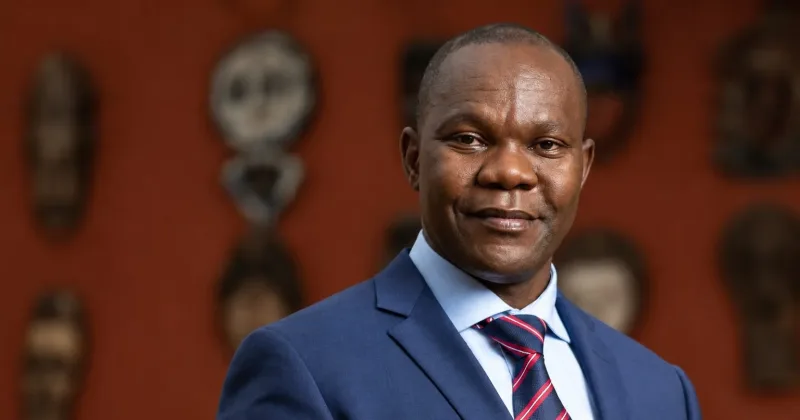
The writer is Standard Chartered Nairobi Marathon’s Local Organising Committee[LOC] Chairman.