By Stephen Ndegwa
For much of the past two decades, every major advance in China’s economy has been accompanied by predictions of disruption. The latest version of this anxiety has been labelled “China Shock 2.0”, a phrase suggesting that a new wave of Chinese exports, particularly electric vehicles, batteries and advanced technologies, threatens industries and jobs across the world.
However, the evidence tells a different story. China’s emergence as an innovation powerhouse is creating opportunities that extend far beyond its borders. The country’s technological progress is lowering costs, accelerating the green transition and supplying products that businesses around the world increasingly rely upon. Indeed, China’s rise represents an opportunity for shared growth and development.
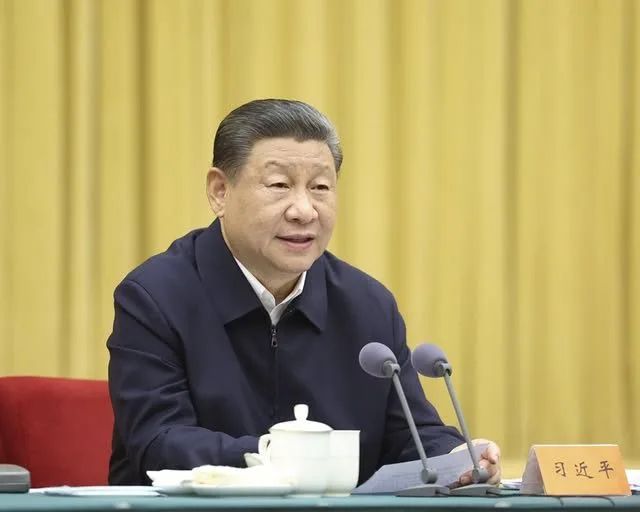
Speaking recently at the Summer Davos forum in Dalian, Chinese Premier Li Qiang rejected the notion that China’s progress constitutes a threat. He argued instead that the world should see a new phase of development that he called “China Opportunity 2.0”. His argument deserves serious consideration because it reflects a profound transformation in the Chinese economy.
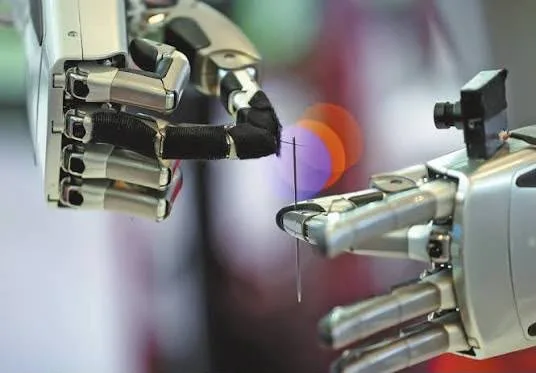
China’s success in advanced industries is the result of sustained investment in research, education and industrial upgrading. During the previous Five Year Plan period, China’s expenditure on research and development (R&D) increased by an average of 10 percent annually, making it the world’s second largest spender on R&D. According to the World Intellectual Property Organisation, China hosts 24 of the world’s top 100 innovation clusters, more than any other country for three consecutive years. Every year, Chinese universities produce around seven million graduates in science, engineering, agriculture and medicine, creating one of the world’s largest pools of technical talent.
The results are visible across strategic sectors. China is now a global leader in electric vehicles, renewable energy technologies and artificial intelligence. The International Energy Agency estimates that the country accounts for more than 80 percent of global solar panel manufacturing capacity and over 70 percent of lithium ion battery production. These achievements reflect decades of investment, extensive industrial ecosystems and the advantages of a large and highly competitive domestic market.
The global clean energy transition provides an important case study. Affordable Chinese solar panels have helped countries across Africa expand electricity access. Kenya’s Garissa Solar Plant, East Africa’s largest grid connected solar facility, relies heavily on Chinese technology and equipment. The project supplies clean electricity to thousands of households while reducing dependence on costly fossil fuels. Similar projects across developing economies have become possible because China’s manufacturing scale has dramatically lowered the price of renewable technologies.
While critics often focus on the rapid expansion of Chinese exports and fear that domestic industries elsewhere will be overwhelmed, this argument overlooks a basic economic reality. Consumers and businesses purchase products that are high in quality and reasonably priced. Chinese electric vehicles, solar panels and industrial equipment increasingly meet both conditions. If countries choose not to import these products, they will often pay considerably more for similar alternatives.
The European automotive industry offers another instructive case study. Several Chinese electric vehicle manufacturers have established production and assembly facilities in countries such as Hungary, creating jobs and integrating local suppliers into new industrial value chains. Rather than replacing European manufacturing, these investments are helping accelerate the continent’s transition to electric mobility and demonstrating how Chinese innovation can complement existing industries.
Affordable Chinese technologies are also helping advanced economies meet climate goals. The International Energy Agency estimates that the cost of solar photovoltaic modules has fallen by more than 80 percent over the past decade, with China’s manufacturing scale playing a decisive role in that decline. Restricting access to these products could slow decarbonisation efforts and increase costs for households and businesses.
The narrative of “China Shock 2.0” also ignores the nature of modern trade. A substantial share of Chinese exports consists not of finished consumer products but of intermediate goods that are widely used in industrial production around the world. These include machinery, electronic components and industrial inputs that manufacturers depend upon to remain competitive. According to the Organisation for Economic Cooperation and Development, trade in intermediate goods has become a defining feature of modern production networks and a key driver of productivity growth.
This interdependence should be viewed as an advantage at a time when the global economy faces significant challenges. The International Monetary Fund expects world economic growth to remain below historical averages in the coming years. Productivity growth has slowed and many economies continue to struggle with high debt and inflationary pressures. Innovation and efficient supply chains are therefore more important than ever.
Protectionism may offer short term political appeal, but economic history demonstrates that barriers to trade often raise costs, reduce competition and slow technological progress. Economies become stronger through openness, investment and innovation rather than isolation.
China’s technological rise undoubtedly intensifies competition. Yet competition and opportunity are not mutually exclusive.
The debate should move beyond the language of shocks and threats. In an interconnected global economy, innovation is rarely a zero sum game. The real question is not whether the world can afford to embrace China’s innovation dividend, but whether it can afford to turn away from one of the most powerful engines of growth and technological progress in the 21st century.