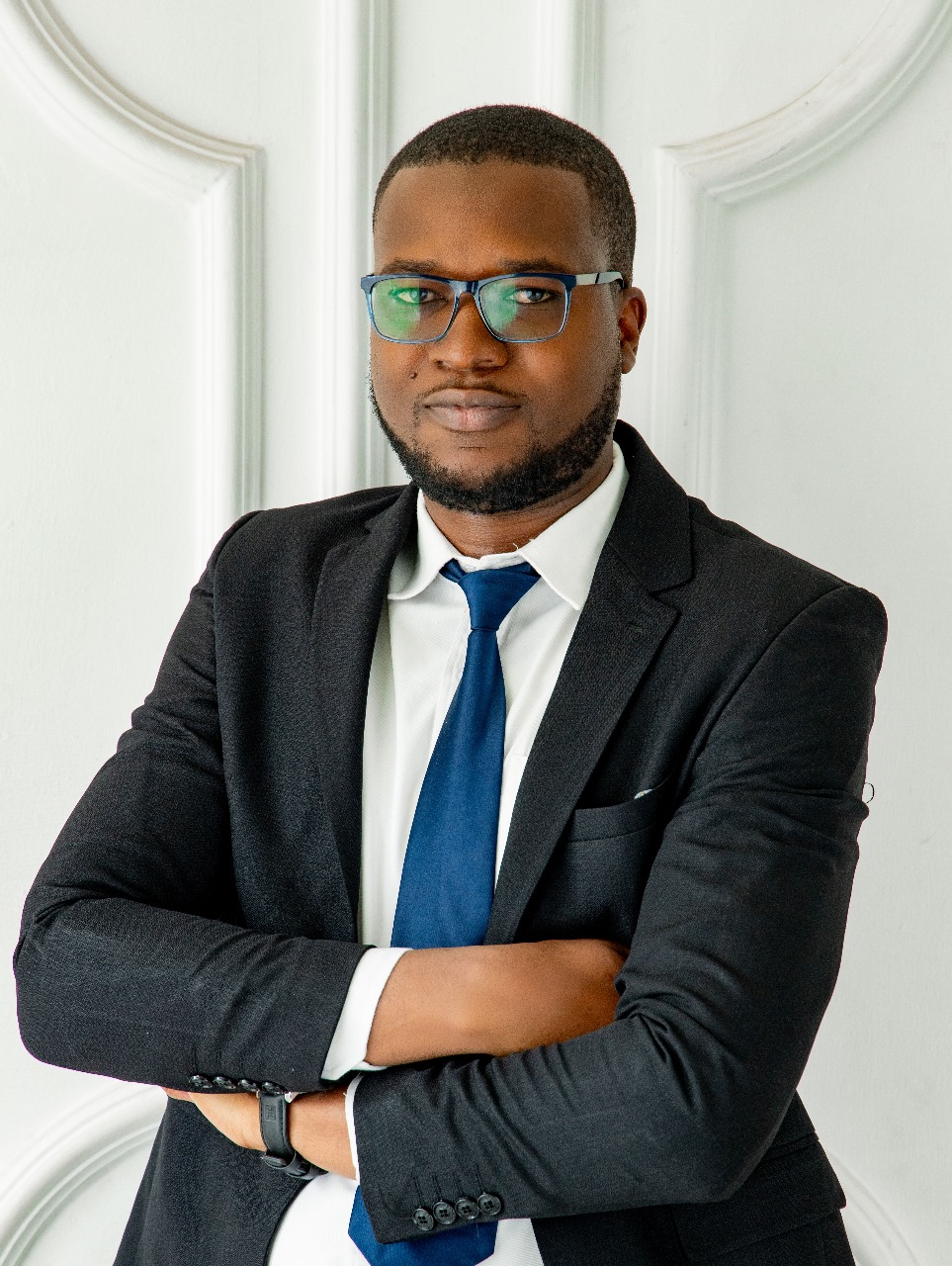
By Arnold Ochieng
NAIROBI, Kenya, April 2 – As we find ourselves at the threshold of a new era in human resources, it’s crucial to acknowledge the significant changes reshaping the workforce landscape.
Technology advancement, a strong commitment to diversity, and talent trends coming together in 2024 will provide opportunities and challenges for HR professionals everywhere. I’m motivated by the conviction that adopting these trends is essential for businesses hoping to prosper in a more varied and competitive global marketplace—rather than just a matter of choice.
The first pillar of my viewpoint is the idea that talent trends are dynamic. The traditional model of talent acquisition and management is undergoing a major change in an era marked by rapid technological advances and changing job responsibilities.
It is important that HR managers embrace a flexible method to people management that places an emphasis on adaptation, flexibility, and an in-depth understanding of acquiring skill sets. Through use of modern technologies like as predictive modelling and data analytics, we are able to foresee future requirements for talent, recognize individuals with great potential, and develop a workforce that is well-positioned for success in the digital era.
However, a conversation about HR’s future would not be complete if it did not acknowledge the crucial role that technology would play. AI-driven recruitment platform is an example of how technology is revolutionizing the HR department. Although these developments have great potential to improve efficiency and streamline procedures, they also bring up key issues regarding privacy, ethics, and the effects of digitization on people.
HR professionals need to negotiate this environment as custodians of business culture, paying close attention to how to strike a careful balance between technical innovation and human sensitivity. Workplaces that are both technologically advanced and highly human-centered can be created by utilizing technology while maintaining a strong commitment to the welfare and advancement of our workforce.
My HR vision is centred around a strong belief in diversity and inclusivity. In a time of increased social awareness and demands for fairness and representation, cultivating an inclusive culture is both strategically and morally necessary. We can capitalize on the combined brains and creativity of a really varied workforce by embracing diversity in every aspect of it, including colour, gender and ethnicity. Furthermore, we can bring out hidden abilities and promote creativity at every level of the company by fostering an atmosphere where each person feels appreciated, respected, and free to be who they truly are at work.
In conclusion, there are many obstacles in HR’s future, but there are also a ton of previously unheard-of chances for development and progress. Through the implementation of new talent trends, technological advancements, and a determined dedication to diversity, we can steer towards a future in which all employees prosper, all organizations thrive, and all communities benefit.
Let’s not hesitate in our intention to create workplaces that are not just strategically flexible and innovative, but also genuinely inclusive and human-centered as we set out on this journey together. Our success in the coming years will ultimately depend on our capacity to make use of the power of technology while maintaining a strong sense of our common humanity.
Ochieng is the General Manager of Workforce Africa, an HR solutions provider dealing with employee outsourcing, labour and casual outsourcing and outsourced labour services in 11 countries including Kenya, Uganda and Rwanda.
Email: [email protected]