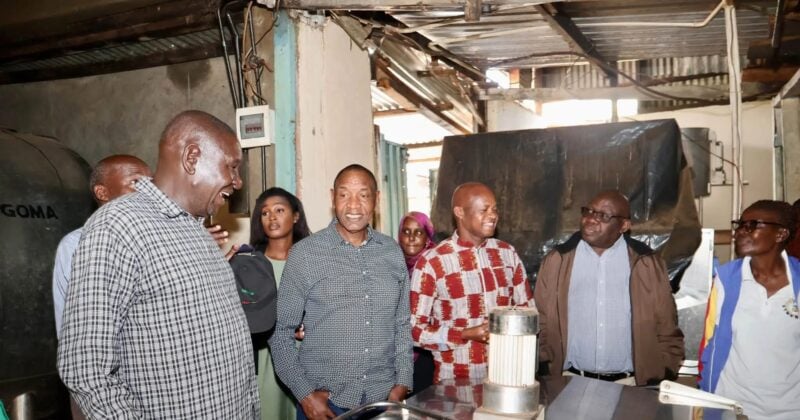
NAIROBI, Kenya, Nov 16 – The Senate Agriculture Committee has raised concerns over the deteriorating state of the Webuye Milk Processing Plant in Bungoma County, calling for investigations into the management of the facility, which has remained idle despite an investment of more than Sh200 million in public funds.
The committee said the plant had been neglected and vandalized, raising questions over the protection of public investments in dairy infrastructure and the potential economic losses to farmers who could have benefited from its operations.
Particular concern was raised over a newly installed generator valued at Sh5 million, whose components were reportedly stripped before it could be put into operation.
The inspection follows an earlier impromptu visit on September 25, 2026, when the committee first flagged the deteriorating condition of the facility.
The committee has since directed the Bungoma County Government to submit a comprehensive report explaining how the plant fell into disrepair and the circumstances surrounding the loss of equipment.
“Following the inspection, the Committee directed the County Government to submit a comprehensive report explaining the circumstances surrounding the deterioration of the facility.”
“ It also proposed the establishment of an Inquiry to investigate how the public asset was allowed to fall into disrepair.”
It also proposed the establishment of an inquiry to establish responsibility for the deterioration of the public asset and determine whether there were failures in its management and oversight.
The committee’s visit also covered Kitinda Dairy Farmers Cooperative Society, where senators engaged the cooperative’s management and county officials over governance and operational challenges, including the controversial sale of factory machinery.
The committee sought accountability over the management and disposal of the cooperative’s assets, amid concerns about the protection of farmers’ interests and the financial sustainability of farmer-owned institutions.
The condition of the Webuye plant highlights broader challenges surrounding the management of publicly funded agricultural infrastructure, particularly the ability of counties to translate capital investments into functioning facilities that support production, processing and market access.
The committee’s findings also raise questions about the accountability mechanisms in place to protect public assets from vandalism, mismanagement and prolonged periods of inactivity.