NOV 13 – The rollout of Kenya’s Social Health Authority (SHA) and its Social Health Insurance Fund (SHIF) is reshaping the landscape of healthcare access in the country.
This transition, aimed at covering a wider range of medical needs for patients with chronic and critical conditions, replaces the former National Health Insurance Fund (NHIF) scheme.
SHA is designed to meet the needs of patients facing serious health challenges such as kidney disease, life-threatening conditions, and the high costs associated with surgeries for complex abdominal issues.
Although the onboarding process has seen both successes and obstacles, the impact on individuals and families across Kenya is becoming increasingly clear.
One case exemplifying this impact is that of Mohammed Vin Chris, a resident of Kariobangi South, Nairobi. His wife, Eunice Atieno Odinga, was in urgent need of surgery for a triangulated hernia—a condition that could have been fatal without timely intervention. Chris, who had diligently saved with NHIF for over a decade, faced the reality that these savings were insufficient to cover the costly, immediate surgery his wife required.
For many Kenyans, unexpected medical bills are a considerable financial strain, often pushing families into debt or forcing them to forego critical care.
However, the gradual integration of SHIF allowed Eunice to receive life-saving treatment that was covered under the new SHA scheme.
The onboarding process for SHIF is happening incrementally across healthcare facilities, and many hospitals are now adjusting their systems and processes to accommodate SHA patients, especially those who were previously insured by NHIF.
In Chris’s case, he faced multiple hurdles before a friend referred him to Ruai Family Hospital (RFH) specialist branch, which had successfully onboarded SHA and could accommodate Eunice’s treatment needs.
At RFH, the transition was relatively smooth, and Chris’s wife was admitted for emergency abdominal surgery.
Speaking to the media, Chris described the overwhelming relief he felt upon learning that his wife’s treatment would be covered.
“For over 10 years, I saved with NHIF to protect my family, but I never anticipated that SHA would be the solution that saved my wife’s life,” said Chris, expressing his gratitude and relief.
Kennedy Kabui, the Head of Specialist Services at RFH, explained that while the hospital’s SHA onboarding process posed technical and logistical challenges, the transition was critical for meeting patients’ needs.
He emphasized that in RFH facilities, patients can still use their old NHIF cards, thanks to their seamless integration with the new SHA system.
“Migrating patient records and ensuring continuity of care has been a complex but necessary step,” said Kabui.
“Now, the majority of our patients, including former NHIF members, can access treatment without delay or additional administrative hurdles.”
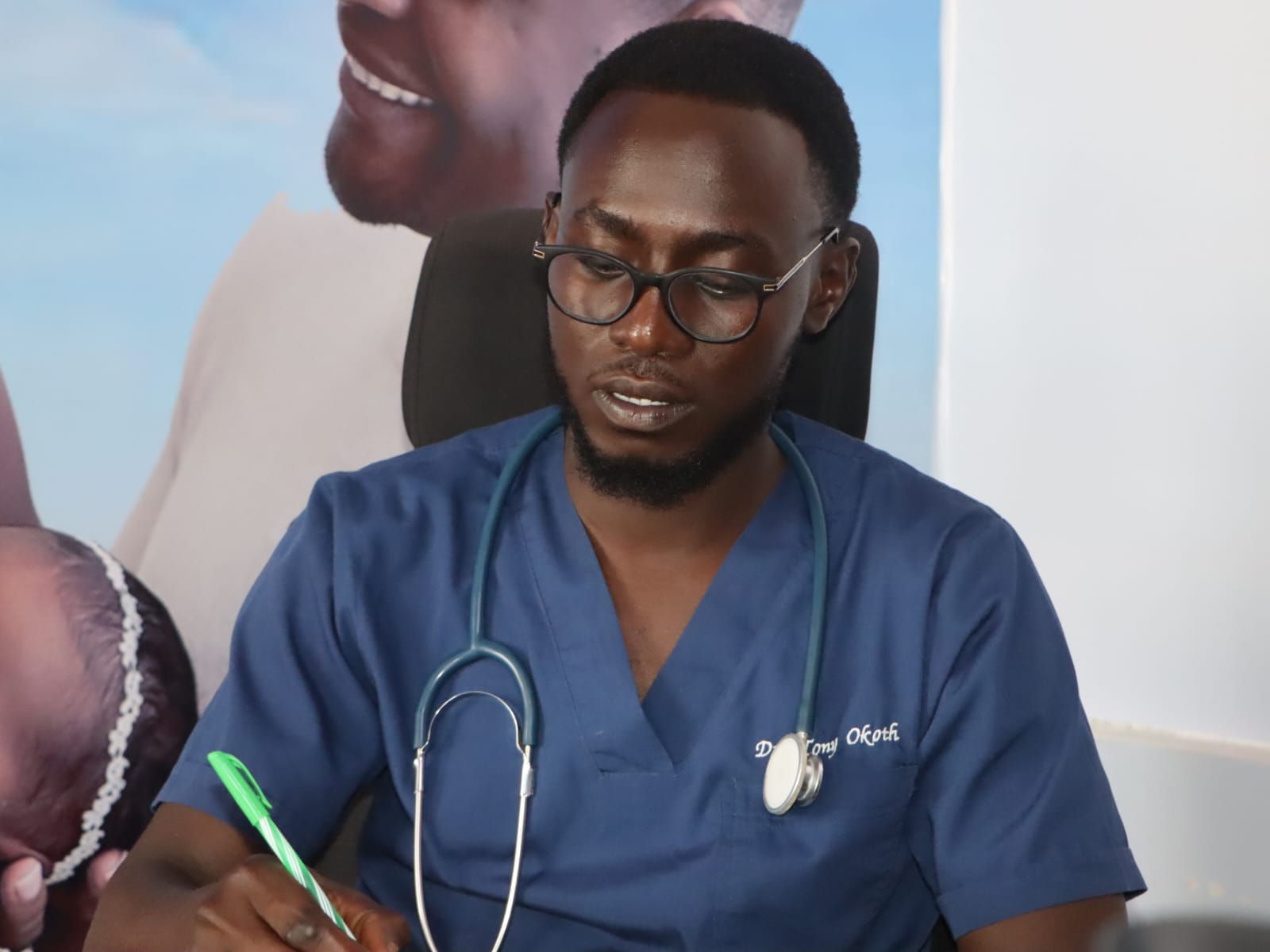
Dr. Tony Okoth, Clinical Lead at RFH, shed light on the medical aspects of onboarding and the critical nature of timely interventions. Dr. Okoth noted that Eunice’s case was life-threatening, and the medical team had to act quickly to perform the surgery.
“The availability of SHA coverage for life-saving procedures has made an enormous difference,” he said.
He described how his team, supported by the new healthcare scheme, managed to stabilize and operate on Eunice, underscoring the importance of accessible healthcare for emergency situations.
The successful operation not only saved Eunice’s life but also highlighted the potential of SHA to transform patient outcomes on a larger scale.
Despite the positive impact, the SHA onboarding process has faced challenges, particularly for patients needing urgent care in facilities that have not yet completed their SHIF integration.
Patients often encounter delays and confusion due to unfamiliarity with the new system, and hospitals are working to address these issues.
Technical difficulties in transferring patient records from NHIF to SHA have also posed challenges, sometimes leading to temporary gaps in coverage.
However, healthcare leaders and administrators remain hopeful that these issues will be resolved as more hospitals fully onboard to SHA and SHIF, ensuring smoother access to essential services.
The SHA scheme aims to be a comprehensive solution to address Kenya’s healthcare needs, focusing on inclusivity and sustainability.
As hospitals continue to adopt SHA, the goal is for all patients to receive affordable, timely, and high-quality healthcare without the added financial burden.
For individuals like Mohammed Vin Chris and families across the nation, SHA offers renewed hope and relief that their loved ones can access life-saving treatments without sacrificing their financial security.
This transitional period marks a turning point in Kenya’s healthcare landscape, with the SHA scheme demonstrating its ability to provide critical support during medical emergencies, despite the challenges of a system-wide rollout.