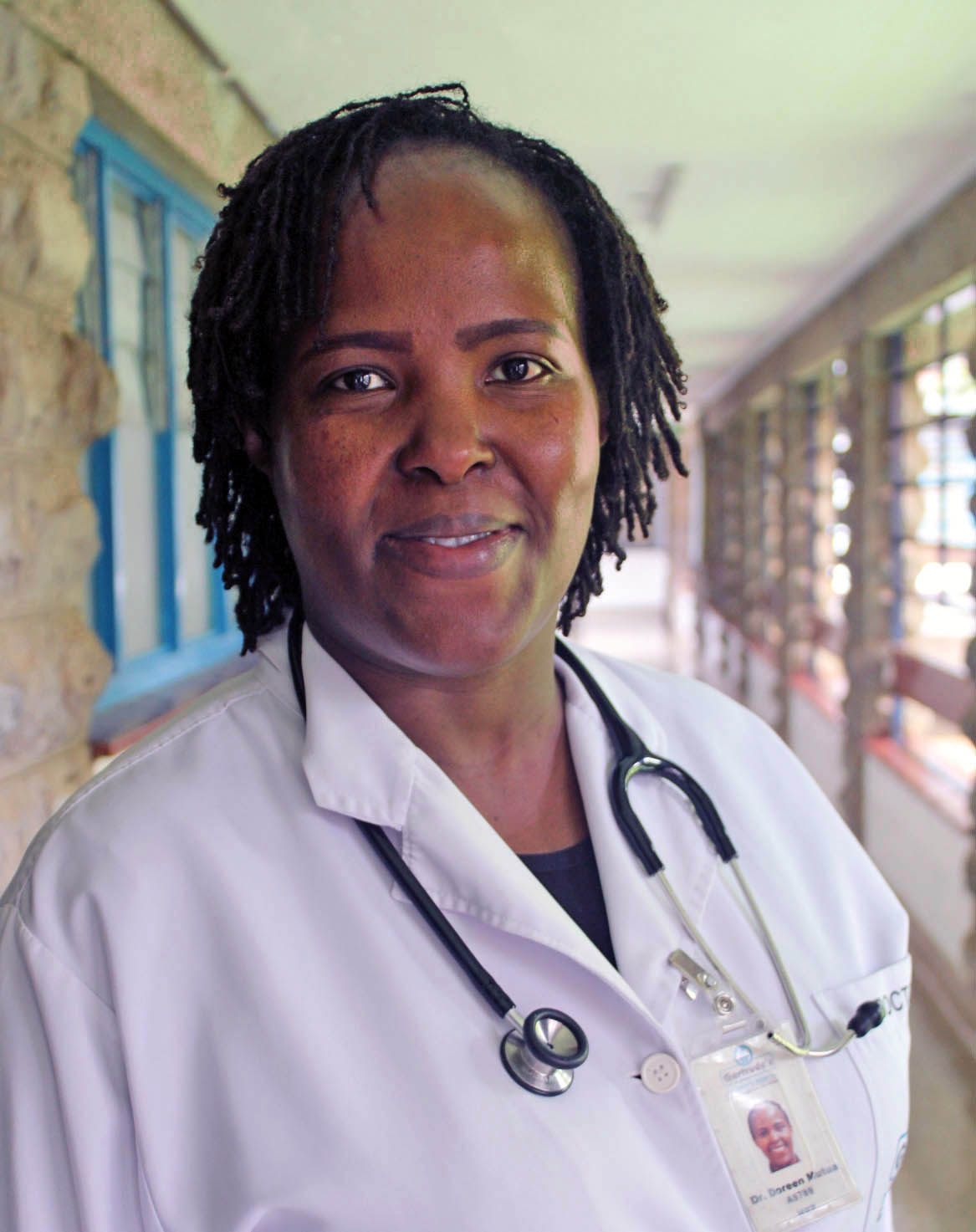
By Doreen Karimi
NAIROBI, Kenya, Oct 5 – As the world prepares for El Nino rains, which are expected to begin this month, paediatric healthcare professionals look at September through a different lens: Childhood Cancer Awareness Month.
In the world of healthcare, paediatric cancer is a formidable foe that necessitates a collaborative effort from various allies. The need for allies in the fight against this heart-breaking disease is more pressing than ever.
This is considering that paediatric cancer is a more complex and multifaceted war that crosses socioeconomic boundaries.
Cancer in children, while not as common as in adults, is still a scourge in our country and other low and middle income countries. Each year, approximately 400,000 children worldwide are diagnosed with cancer of which 80% of these cases are in LMICs.
Kenya’s figure is 3,200 new cases per year, which is likely to be underestimated due to underreporting of childhood cancer cases and misdiagnoses.
The statistics continue to paint a bleak picture, as only half of all cancer cases in children are diagnosed in LMICs and unfortunately cancer is now significant contributor to the loss of life for many children in our settings.
Sadly, and despite its seriousness, cancer in children is has been under-prioritised in terms of resource allocation in our country.
There is “A CALL TO ACTION” to raise awareness on childhood cancer and help improve access to quality health services for these children and their families. There is a need to invest in the diagnosis and treatment of childhood cancer.
There is a need to address the barriers that limit access to care such
cultural beliefs, weak referral systems but most importantly financial hardship that families face because our healthcare financing is largely through out of pocket expenditure.
Another barrier to care is the low number of childhood cancer specialists in the country. None the less, there are many health workers at the forefront in the fight against childhood cancer and we recognize and support their efforts.
They include the various doctors managing cancer like the pathologists, paediatric oncologists, surgeons, and radiation oncologists, nurses, psychologists, social workers and researchers.
Many of these health professionals continue to work tirelessly to understand
the disease better and improve treatment outcomes. These individuals are the first line of defence, attempting to turn a cancer diagnosis into a path to a healthy life.
There is still a great need to have more healthcare professionals trained in recognising and diagnosing childhood cancer. Training programs for these workers are not readily available in the country, and most of those taken abroad are expensive and have rigorous entry criteria.
But they can’t do it alone. They require more funding for diagnosis, treatment and research to improve their efforts. Governments, private donors, and other philanthropic organisations must work together to
ensure that the resources needed to research and develop more effective diagnostic and treatment methods are available.
Beyond the medical front, social allies are extremely important. Families dealing with paediatric cancer require comprehensive support systems to help them cope with the emotional burdens placed on them.
In this regard, support groups and counselling services are essential. They provide a lifeline to families, assisting them in navigating the perilous waters of caring for a sick loved one.
Social allies are critical in amplifying childhood cancer's urgency, increasing public awareness, and providing emotional support for families. There is a need to advocate for increased funding, policy changes, and even research and development to improve treatment outcomes for children with cancer.
The stories of families whose children are battling cancer serve as a sobering reminder of the stakes. Political allies are critical in shifting policy and legislation at the highest levels.
The ability of the government to change the response to paediatric cancer is nearly limitless. Policymakers can change the
landscape of paediatric cancer care by allocating more funds and prioritising issues like data collection and research.
The Gertrude’s Hospital Foundation is at the forefront of championing collaboration between stakeholders in the private and public healthcare sectors to help with early diagnosis through initiatives training frontline health workers in the country and facilitating the diagnosis of children from needy
backgrounds. More remains to be done, but paediatric cancer can be managed with the right focus and unity of purpose.
Childhood cancer knows no bounds, and so does our response to it. Collaboration, whether in research, treatment, training, policy development or community support, is a powerful weapon against this formidable foe.
The synergy of these efforts will make a difference in the lives of young children fighting cancer and their families, paving the way for healing, recovery, and hope.
Doreen Karimi is a Paediatric Haematology Oncologist at Gertrude’s Children’s Hospital
Email: [email protected]