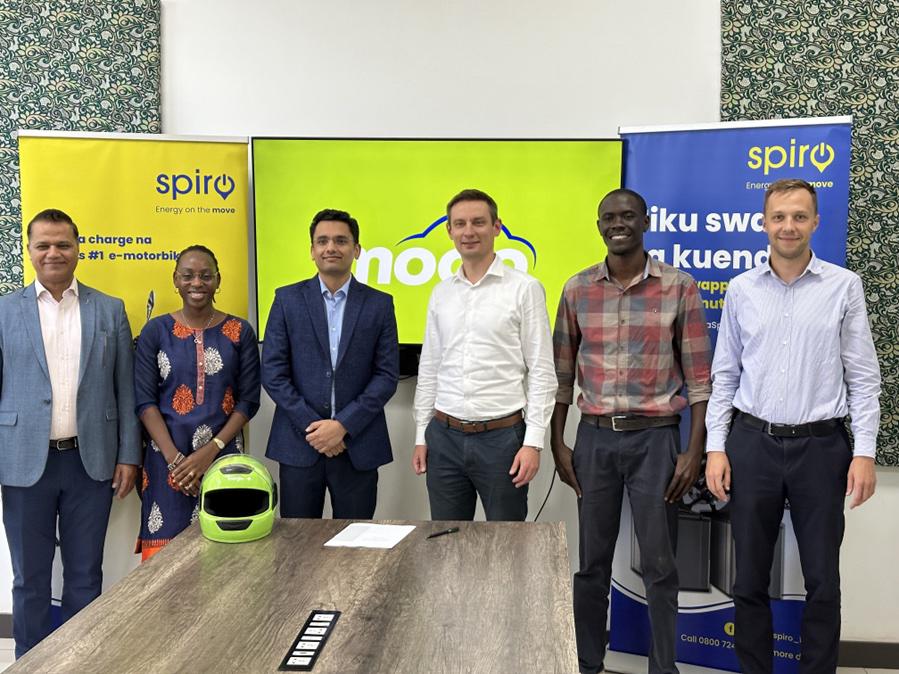
NAIROBI, Kenya, Jan 10 – Kenyan bodaboda operators will be trained on the economic and environmental benefits of e-bikes through a partnership between Mogo and Spiro.
In the deal, Mogo, a financial service provider, will finance electric bikes at its branches as well as at Spiro’s, a startup that specializes in sustainable urban mobility.
Rauls Leitis, Business Development Project Manager at Mogo, said that the company has already received a batch of e-bikes at its shops in Mombasa County.
The two firms will also collaborate on marketing initiatives and events to raise awareness about electric bikes, emphasizing their economic and environmental benefits.
“By combining MOGO’s affordable financing options with Spiro, we are making it easier than ever for Kenyans to access and embrace a greener and more cost-effective way to get around,” Leitis said.
“This collaboration is a testament to MOGO’s unwavering commitment to not only empower individuals but also significantly reduce carbon emissions,” he added.
The partnership aims to meet the rising demand for eco-friendly transportation options, contributing to the broader effort for a cleaner environment and reduced greenhouse gas emissions.
It also signifies Spiro’s strategic shift towards becoming an asset-light, energy-as-a-service company.
“Our collaboration is more than just a business venture; it’s a shared commitment to a greener, more sustainable future. We look forward to a fruitful partnership with Mogo and the profound impact it will have in the region,” Kaushik Burman, Co-CEO of Spiro, said.
The United Nations Environment estimates that the global transition to electric motorcycles could prevent 11 billion tons of carbon dioxide emissions by 2050, saving motorcycle owners a combined Sh5 trillion (USD 350 billion) due to the lower fuel and maintenance costs of e-bikes.
In its updated Nationally Determined Contributions (NDCs) submitted to the United Nations Framework Convention on Climate Change (UNFCCC), Kenya has increased its carbon emission reduction ambitions from 30 percent to 32 percent by 2030.
By Elly Junior