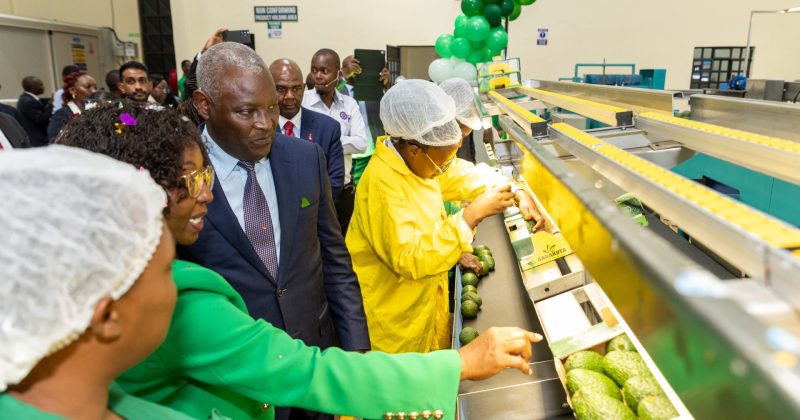
NAIROBI, Kenya, May – Karakuta Fresh Produce has commissioned a 7,500-tonne avocado packhouse in Nairobi, positioning itself to increase export volumes while deepening partnerships with more than 1,500 smallholder farmers across four counties.
The facility will handle fruit grown on Karakuta’s 180-acre model farm and produce aggregated from farmers in Kiambu, Nyeri, Kirinyaga, and Meru.
The investment aims to address persistent quality control challenges that have hindered Kenya’s competitiveness in global avocado markets, despite being among the continent’s top producers.
“This packhouse is not just an infrastructure investment — it is a platform for transforming livelihoods,” said Karakuta CEO Grace Ngungi during the launch.
“By combining modern machinery with smallholder networks, we’re ensuring our fruit meets global standards for quality and traceability.”
The grading and packing facility features an Eshel Eilon machine from Israel — one of only 52 such machines in the country — and was financed through a partnership with Equity Group. Equity Group CEO Dr James Mwangi praised the move as a bold step in agricultural industrialization.
“Quality and consistency are what global markets demand,” said Mwangi. “Karakuta’s journey shows what’s possible when ambition meets the right support. This kind of investment unlocks value far beyond primary production.”
The company shipped eight containers of avocados during its first year of harvest and 18 containers the following year. It now targets 60 containers for the 2025 season.
Kenya’s avocado sector has long faced issues with quality inconsistency, largely due to the dominance of smallholder producers. Officials say infrastructure like Karakuta’s facility will help improve compliance with export market standards.
Dr Christine Chesaro from the Horticultural Crops Directorate urged players in the sector to prioritize emerging markets while ensuring high quality and low chemical residue levels.
Avocado Exporters Association of Kenya CEO Joseph Wagurah echoed these sentiments, encouraging smallholders to operate in organized groups to facilitate training and standardization.
“This facility enables us to consistently meet the quality requirements of export markets and empower smallholder farmers with better returns,” said Ngungi. “We want every farmer who works with us to feel they own a piece of this success.”
The launch underscores a broader shift in Kenya’s agriculture sector toward value addition and export-oriented processing — a key pillar of Equity’s Africa Recovery and Resilience Plan, which now allocates 16% of its loan book to agriculture, up from 3% in 2018.
“Value addition like this creates more jobs and multiplies income along the value chain,” said Dr Mwangi. “Karakuta is showing us that scaling is possible, and that women-led agribusinesses are bankable and transformational.”