NAIROBI, Kenya, April 11 – Pastoralist communities in Kenya are set to receive financial assistance as the government plans to launch a Sh18.7 billion ($140 million) fund to protect them against the impact of droughts.
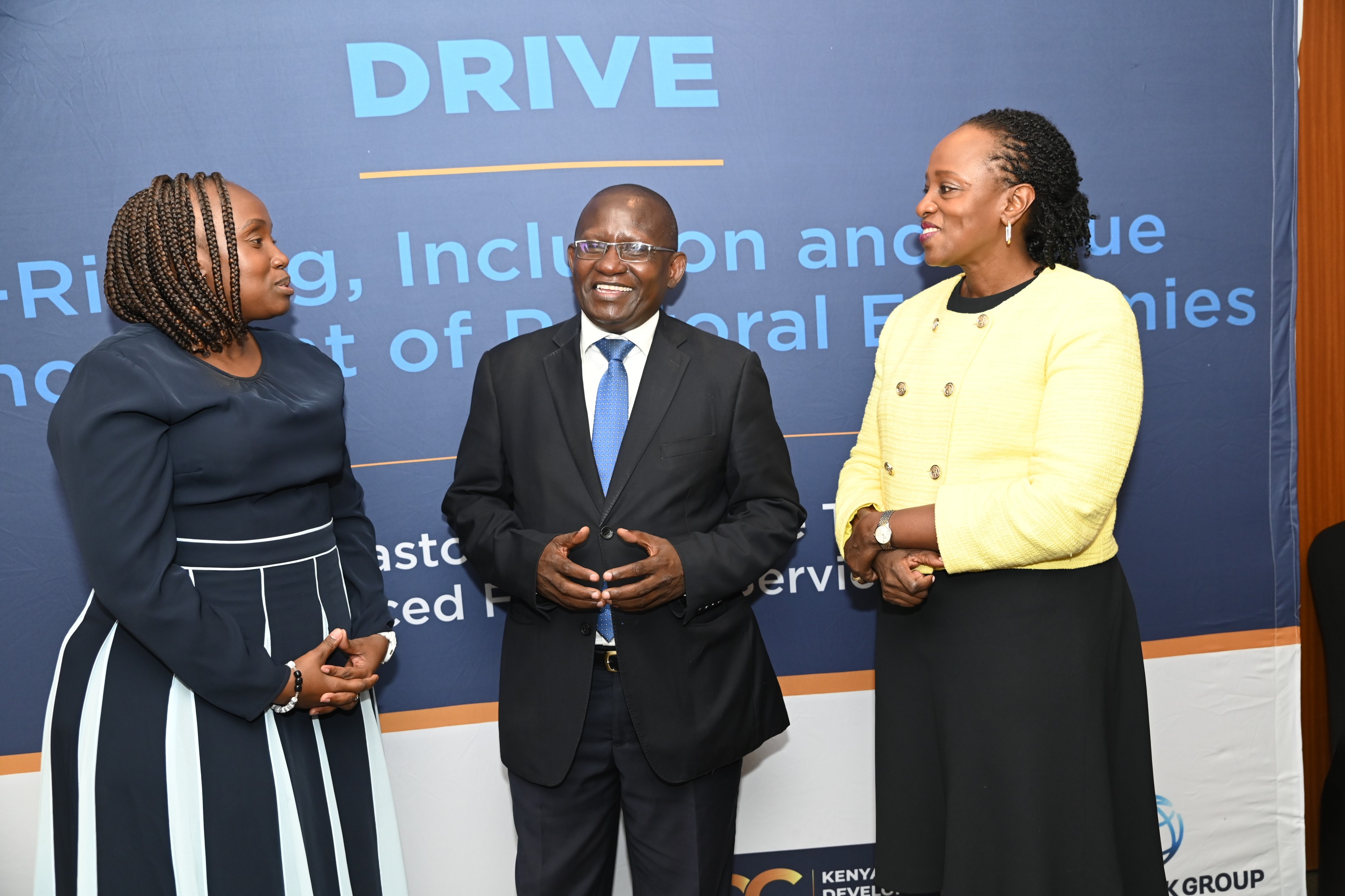
Under the De-Risking, Inclusion, and Value Enhancement of Pastoral Economies (DRIVE) project, Kenya’s State Department for Livestock Development (SDLD) will partner with ZEP-RE (the PTA Reinsurance Company), Kenya Development Corporation (KDC), and the World Bank Group (WBG) to deliver the project.
The DRIVE project aims to de-risk pastoralists through drought index insurance, savings, digital accounts, and financial education.
It will also de-risk private sector investments that provide reliable markets to pastoralists at the value chain level.
“By providing them with the necessary support and resources, the project will help increase their resilience and enhance their economic participation while promoting a more sustainable and inclusive economic development model in the country,” Livestock Development Principal Secretary Harry Kimtai said.
In Kenya, over 150,000 pastoralists are expected to benefit from the project across 21 Arid and Semi-Arid Lands (ASALs) counties: Turkana, Marsabit, Mandera, Wajir, Garissa, Tana River, and Isiolo.
Others are Samburu, Meru, Tharaka Nithi, Baringo, West Pokot, Narok, Laikipia, Kajiado, Makueni, Kitui, Lamu, Taita Taveta, Kilifi, and Kwale.
The project is also expected to create markets around the livestock value chain, enhance regional cooperation and peacebuilding, contribute to climate mitigation (through improvements in fodder conservation and increased productivity), and close the gender gap in access to financial services.
“Today marks a pivotal moment in Kenya’s development journey as we launch the DRIVE project. Our joint commitment to unlocking the full potential of pastoral economies is unwavering, and DRIVE is a big step towards achieving sustainable and inclusive development,” KDC Acting Director General Norah Ratemo said.
“We are confident that the project will drive positive change, creating new opportunities, empowering communities, and fostering resilient, thriving economies of the ASAL regions,” Ratemo added.
In Kenya, the project has two components.
Whereas component 1 involves de-risking pastoral production through a package of financial services, element 2, with a budget of $65 million, aims to ensure that pastoralists get better value for their livestock.
“ZEP-RE is particularly keen to ensure equity empowerment of pastoral communities by focusing on innovating how women, youth, and people with disability would also access financial services and linkages to markets and trade-related opportunities under component two,” ZEP-RE (PTA Reinsurance Company) Managing Director and CEO Hope Murera said.
“We look forward to scaling financial packages that support the resilience of the communities against various shocks,” added Murera.
Apart from Kenya, the initiative will also be implemented in Ethiopia, Somalia, and Djibouti.
Over 250,000 households are expected to benefit from the project, representing 1.6 million pastoralists and their dependents across the four countries over a five-year period.