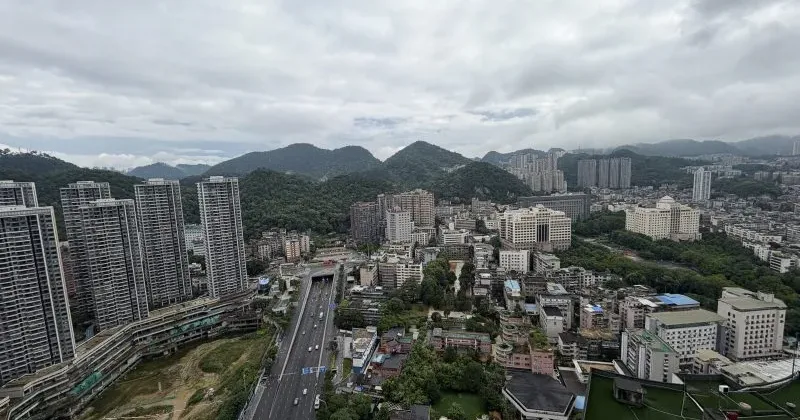
GUIZHOU, CHINA, July 4 – Nestled deep in southwest China, Guizhou Province is a place where mountains dominate the landscape, bridges stretch across deep valleys, and high-speed trains disappear into tunnels carved through rugged terrain.
Known as China’s only province without plains, Guizhou’s dramatic geography once posed significant challenges to development. Today, however, the province stands as one of the country’s most remarkable success stories, transforming from one of China’s poorest regions into a rapidly growing economic and technological hub.
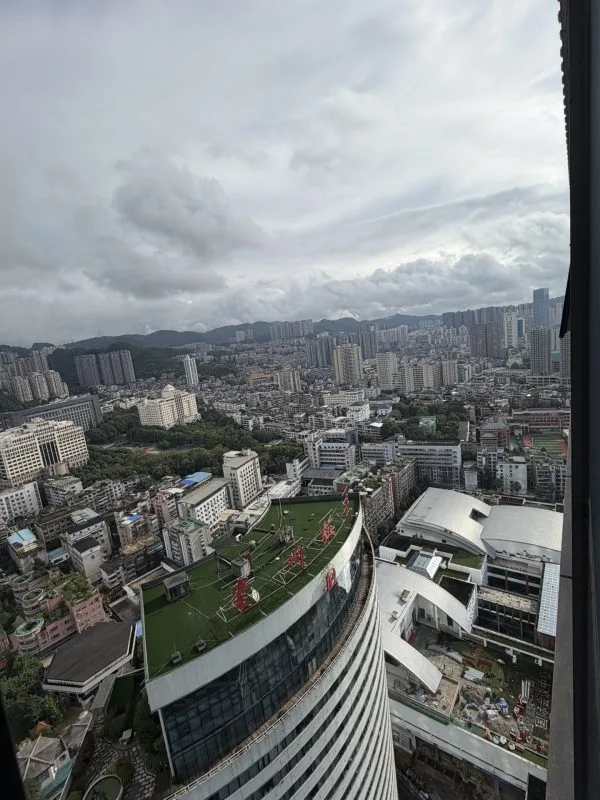
Over the past two decades, Guizhou has undergone an extraordinary metamorphosis. The province’s Gross Domestic Product (GDP) has reached 2.36 trillion RMB, placing it among China’s fastest-developing regions.
The mountainous terrain remains a defining feature, but rather than limiting growth, it has become a showcase of engineering ingenuity. According to provincial officials, nearly 70 per cent of Guizhou’s road and rail transport network runs through tunnels beneath mountains or across bridges linking previously isolated communities.
“The main challenge we faced was transportation,” said Lu Yongzhen, Member of the CPC Guizhou Provincial Standing Committee, during a reception for visiting journalists.
Among the province’s engineering marvels is China’s tallest bridge, rising approximately 225 metres above the landscape. Across Guizhou, towering bridges and extensive tunnel networks cut through mountains, connecting towns and cities that were once separated by difficult terrain.
“Under the leadership of CPC General Secretary Xi Jinping, we have lifted more than 10 million people out of poverty and continue improving the lives of many more. Today, we have constructed many roads and bridges that connect communities which were once difficult to access,” said Lu, who also heads the Publicity Department of CPC in Guizhou Provincial Committee and Deputy Director-General, Foreign Affairs Committee of CPC in the province.
The impact of this infrastructure boom is visible across the province. Modern highways snake through mountains, high-speed rail lines connect major urban centres, and Guizhou now boasts 13 civil airports, significantly enhancing connectivity with the rest of China and the world.
The transformation is perhaps most striking in Guiyang, the provincial capital. Surrounded by mountains, the city is dotted with modern skyscrapers, bustling commercial centres and advanced technology facilities that would have seemed unimaginable just a generation ago.
Guizhou has also emerged as one of China’s leading centres for big data and digital innovation.
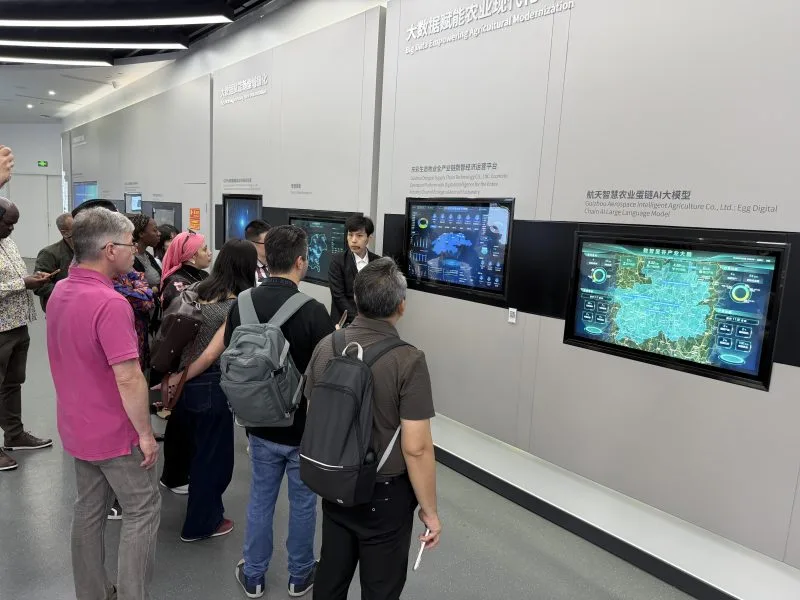
At the Comprehensive Pilot Zone and Exchange and Experience Centre, giant digital screens display streams of real-time information flowing from across the province. The National Big Data Centre collects and analyses vast amounts of information, supporting sectors ranging from tourism and transportation to telecommunications and healthcare.
“By using real-time data, various sectors are able to make informed decisions,” an official at the centre explained while guiding journalists through the facility.
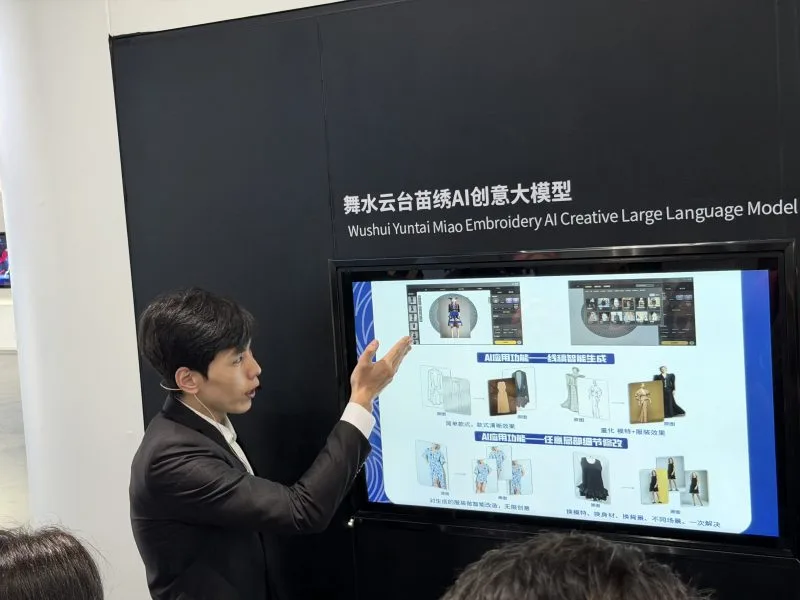
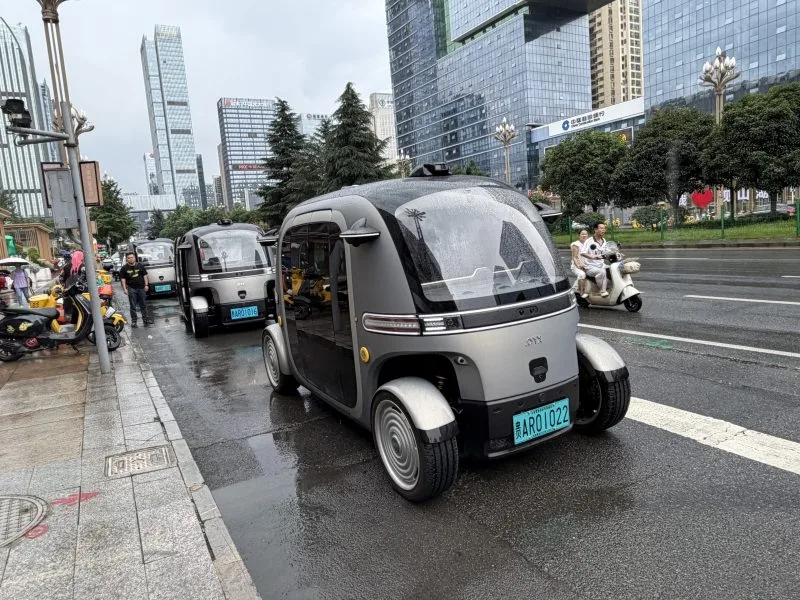
The practical applications of this technology are already visible on city streets. Guiyang is among the cities piloting autonomous public transport, including a driverless vehicle known locally as the “Potato Bus Wonder Loop” — a symbol of how far the province has come from its poverty-stricken past.
Beyond infrastructure and technology, Guizhou is also renowned for its rich cultural diversity. Home to numerous ethnic minority groups, the province preserves a vibrant mix of traditions, languages, festivals and cultural heritage that continues to attract domestic and international tourists.
The province has increasingly become one of China’s leading tourism destinations, welcoming millions of visitors from across the country and around the world annually. Drawn by its spectacular mountain landscapes, ancient towns, unique ethnic cultures, dramatic bridges and natural attractions, tourists are discovering a region that successfully blends centuries-old traditions with modern development. Tourism has become a key driver of local economic growth, creating jobs and supporting communities across the province.
Despite frequent rain, thick fog and challenging mountainous conditions, development has continued at a remarkable pace.
For provincial leaders, Guizhou’s progress reflects a broader national vision.
Speaking during celebrations marking the 105th anniversary of the Communist Party of China and commemorations linked to the historic Long March, Lu said the province’s achievements embody the determination that has driven China’s development journey.
“The spirit of the Long March lives on,” he said. “That is why General Secretary Xi Jinping has made a commitment to continue developing our country for the betterment of our people. Guizhou is a testament to this.”
For visitors, the contrast is striking. A province once defined by geographic isolation now hosts cutting-edge technology, world-class infrastructure and modern cities, while remaining firmly rooted in its mountainous identity.
Today, Guizhou stands as a living example of how infrastructure, innovation, poverty alleviation and cultural preservation can work together to transform a region. In a province where mountains once symbolised isolation, they now frame one of China’s most compelling development stories.