NAIROBI, Kenya, Aug 31 – Kenyan consumers are facing renewed pressure on milk prices after formal-sector milk deliveries declined in June, with the Consumers Federation of Kenya (COFEK) calling for urgent government measures to prevent further shortages and price increases.
Data from the Kenya National Bureau of Statistics (KNBS) shows that milk intake by processors and other formal-sector players fell by 5 percent to 84.44 million litres in June 2026, from 88.89 million litres in May.
The June intake was also 6.4 percent lower than the 90.24 million litres recorded in the same month last year, pointing to growing pressure on the formal dairy supply chain.
COFEK Secretary-General Stephen Mutoro said the figures should prompt the government to provide a clear picture of what is happening in the dairy sector, particularly as consumers begin to experience higher prices and intermittent shortages.
“Consumers are entitled to a clear, evidence-based account of the true state of the sector.”
The federation said the situation is already being felt in Nairobi, where some retailers have started rationing milk purchases while prices of fresh milk have risen.
At Waithaka Dairy Centre, for example, the federation said the price of a liter of fresh milk had increased from Sh70 to Sh80. It also reported intermittent shortages of branded packaged milk in supermarkets.
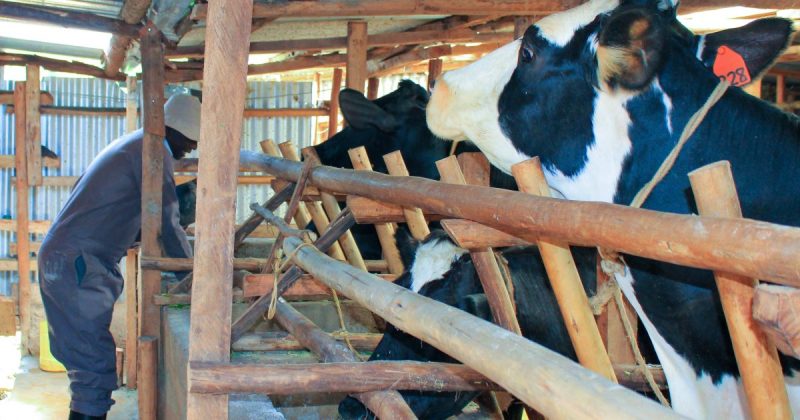
The squeeze is being compounded by difficulties facing smallholder farmers, who account for about 80 percent of Kenya’s milk supply, according to COFEK.
The federation said farmers in some areas are reporting daily yields falling from between seven and nine litres per cow to four to five litres, as delayed rains weaken pasture availability.
Commercial feed costs have also risen by about 45 percent, increasing the cost of maintaining dairy herds.
The Kenya Dairy Board has previously raised concerns that some farmers could leave dairy production altogether, including by selling cows they can no longer afford to feed.
COFEK, however, argues that the current pressure is not solely a weather-related problem, pointing to weaknesses in how the country managed the milk surplus recorded last year.
The federation says milk powder from the 2025 surplus was not incorporated into strategic food reserves as anticipated, leaving the market with limited buffers as production came under pressure.
Formal milk intake between January and June stood at 513.32 million litres, broadly unchanged from 516.34 million litres in the corresponding period of 2025.
However, the monthly figures have been volatile, with intake falling to 74.43 million litres in February before recovering in subsequent months.
COFEK is now demanding that the Agriculture Ministry publish a recovery plan within seven days, including monthly milk-intake targets and emergency fodder and feed support for affected dairy-producing counties.
It is also calling on the Kenya Dairy Board to account for the 2025 milk surplus and disclose the status of milk powder reserves.
The federation wants the National Treasury to remove import duty and VAT on key dairy-feed ingredients, including yellow maize and soya, arguing that lower feed costs would help farmers remain in production.
“The priority now should be to protect both the farmer who produces the milk and the consumer who buys it.”
COFEK is further urging the government to strengthen retail price monitoring and provide fortnightly updates on milk intake, prices and reserves until supply conditions stabilize.
The demands come as the dairy sector navigates the competing pressures of maintaining viable farm-gate prices for producers while keeping milk affordable for households.