NAIROBI, Kenya, Feb 4 – The Kenyan Network of Cancer Organizations (KENCO) has urged the government to ensure uninterrupted cancer and non-communicable disease (NCD) services in public healthcare facilities, warning that delays caused by the transition from the National Hospital Insurance Fund (NHIF) to the Social Health Authority (SHA) are putting thousands of lives at risk.
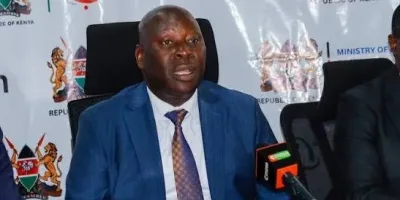
KENCO Board Chairperson Elo Mapelu expressed concern over the crisis unfolding for cancer patients due to the transition.
“We cannot afford to let cancer patients suffer due to gaps in the healthcare system,” Mapelu said. “While the move to SHA was meant to improve access to care, patients are now being turned away or forced to pay out of pocket for treatments that were previously covered.”
One of the most critical issues is the shortage of life-saving cancer drugs, including Herceptin (trastuzumab), essential for treating HER2-positive breast cancer. Public hospitals such as Kenyatta National Hospital and Kenyatta University Teaching and Referral Hospital have reportedly run out of this drug, forcing patients to seek costly private alternatives. Other chemotherapy drugs, including pertuzumab and letrozole, are also in short supply.
Prisca Githuka, Chairperson of the Cancer Survivors Association of Kenya (CSAK), warned of the devastating impact.
“Many patients simply cannot afford the costly alternatives for Herceptin. This is delaying or halting their treatment, which is unacceptable,” she said.
Patients who were previously covered under NHIF are also facing new barriers to care under SHA. Some are being denied treatment, while others are being asked to pay upfront for services. The lack of clarity around SHA’s coverage for oncology and chronic illnesses has exacerbated the crisis, leaving both patients and healthcare providers uncertain about what services are included.
“The confusion surrounding SHA’s coverage is creating unnecessary suffering,” said Catherine Karekezi, Executive Director of NCD Alliance Kenya (NCDAK). “Patients need clear and transparent information about what services are available to them. No one should be left in the dark when it comes to their health.”
Long wait times for diagnostic services like PET-CT scans and radiotherapy at Kenyatta National Hospital are further compounding the crisis.
“We have patients who need immediate scans to determine the next steps in their treatment, but they are waiting for weeks, sometimes months,” said a representative from the Health NGOs Network (HENNET). “These delays can mean the difference between life and death. The government must act now to improve access to diagnostic services.”
Technical issues with SHA’s registration and pre-authorization systems have made the situation worse, with some patients unable to access treatment due to system failures. Others who had already prepaid NHIF premiums are now being asked to pay again under SHA, adding to their financial strain.
“The government must increase SHA’s budget to ensure continuous treatment for chronic illnesses,” Mapelu emphasized. “If we do not act now, we risk losing more lives to conditions that are treatable.”
KENCO, along with NCDAK, CSAK, and HENNET, is calling for an urgent meeting with SHA leadership, the Ministry of Health, and other stakeholders to address the crisis. The organizations are pushing for the immediate reinstatement of essential cancer drugs in public hospitals, expansion of radiotherapy services through public-private partnerships, and increased investment in diagnostic infrastructure.
As the world marks World Cancer Day 2025 under the theme “United by Unique,” health advocates are urging the government to act swiftly to prevent further loss of life and ensure no patient is left behind in the fight against cancer.