NAIROBI, Kenya, June 15 – BAT Kenya has raised concerns over the growing threat of illicit cigarette trade, warning that the expanding black market is undermining legitimate businesses and eroding government tax revenues despite the company’s strong profit growth in 2025.
The cigarette manufacturer said illicit tobacco products accounted for 45 percent of the total market in 2025, up from 37 percent the previous year, highlighting what it described as one of the biggest challenges facing the industry.
The warning came during BAT Kenya’s 74th Annual General Meeting (AGM), where shareholders approved a final dividend of Sh60 per share, bringing the total dividend payout for the year ended December 31, 2025, to a record Sh70 per share.
The company said the sharp rise in illicit trade continued to weigh on revenues, although disciplined cost management and lower finance costs enabled it to post stronger earnings.
Profit before tax rose 18 percent to Sh7.7 billion in 2025 from Sh6.5 billion a year earlier, despite reduced revenue linked to the growth of the illegal cigarette market.
BAT Kenya Managing Director Crispin Achola said the proliferation of illicit tobacco products remains a major concern both locally and globally.
“2025 was a remarkable year for BAT Kenya. Despite a challenging operating environment in which the illicit trade in tobacco continues to grow, the company delivered strong financial performance for the year ended December 31, 2025. These results were driven by effective cost management and lower financing costs,” he said.
“The year was, however, marked by a continued rise in illicit cigarette trade, which remains a significant global and domestic challenge. We continue to engage with relevant stakeholders and government agencies in support of efforts to strengthen enforcement action and drive a more stable and compliant operating environment.”
The company noted that while government agencies have stepped up efforts to curb the sale and distribution of illicit cigarettes, stronger enforcement measures will be necessary to contain the growing problem.
Industry players have long argued that illicit tobacco products create unfair competition by avoiding taxes and regulatory requirements, allowing illegal operators to sell products at significantly lower prices than licensed manufacturers.
BAT Kenya said addressing the challenge remains a strategic priority as it seeks to protect the sustainability of the formal tobacco sector and support government revenue collection.
The company also paid Sh1.4 billion to contracted farmers for tobacco leaf purchases during the year, up from Sh1.1 billion in 2024, while supporting more than 80,000 livelihoods across its value chain.
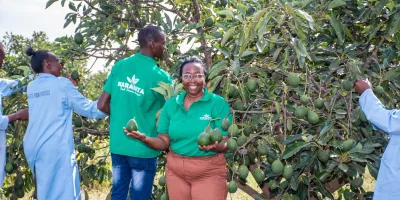
BAT Kenya further reported that all its contracted farmers are now growing alternative crops alongside tobacco as part of efforts to diversify incomes and improve food security.