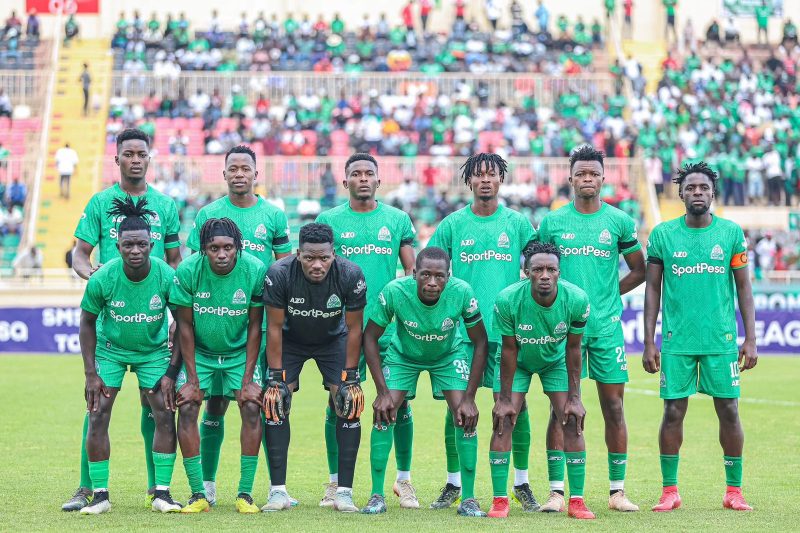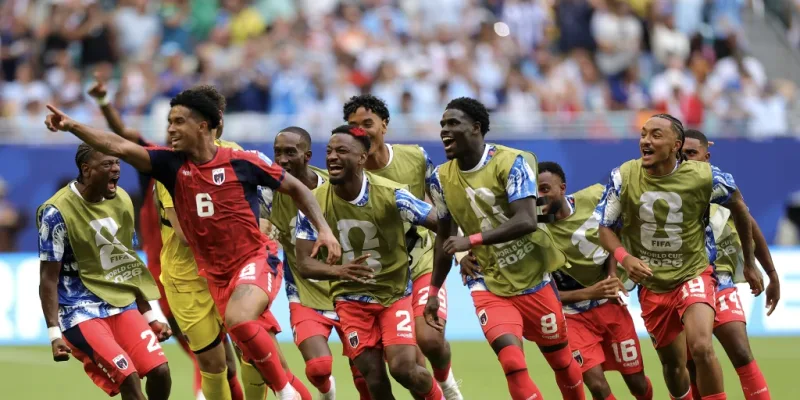
NAIROBI, Kenya, Jun 24 – One of the most striking storylines of this World Cup has been the continued rise of African football. For decades, the international game has largely been dominated by European and South American nations, with countries from those two continents consistently setting the benchmark in terms of performance, infrastructure, and success on football’s biggest stage.
However, the gap that once seemed impossible to bridge is rapidly shrinking.
African nations are no longer arriving at major tournaments simply hoping to compete. They are arriving with the belief that they can challenge, defeat, and outperform some of the world’s most established footballing powers.
The performances we continue to witness are proof that African football is entering a new era, one built on confidence, quality, and growing tactical sophistication.
The question is no longer whether African teams can compete with the elite.
The question is how far they can go.
The evidence of Africa’s rise is no longer hidden in potential; it is visible in results.
Perhaps no nation better represents this transformation than Morocco. Their historic run to the semi-finals of the 2022 FIFA World Cup changed the perception of African football around the world.
It was the first time an African nation had reached the final four of a World Cup, breaking a barrier that had stood for generations.
What made Morocco’s achievement even more fascinating was the makeup of the squad.
Of the players who regularly featured in their starting eleven, the overwhelming majority were born and developed in European countries before choosing to represent the nation of their heritage.
Only Azzedine Ounahi was born and developed in Morocco, while stars such as Achraf Hakimi, Hakim Ziyech, Noussair Mazraoui, Sofyan Amrabat, and many others emerged from football systems in Spain, France, Belgium, and the Netherlands.
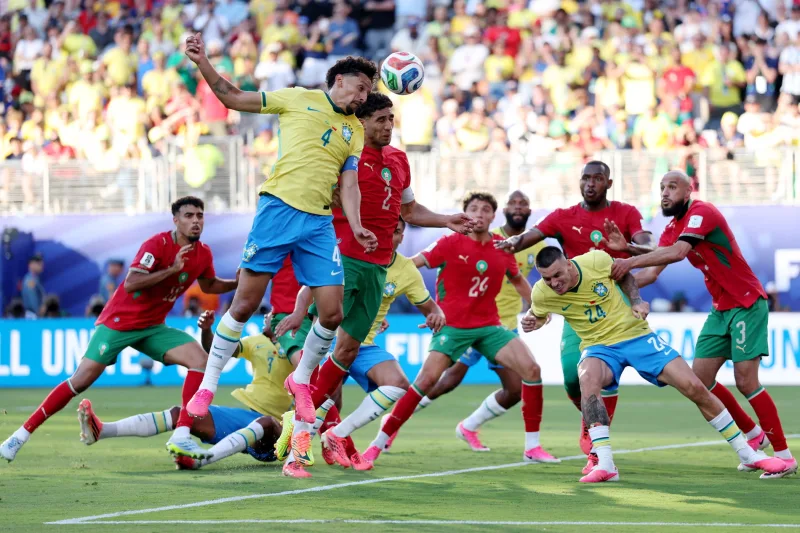
Morocco’s success highlighted one of the biggest drivers behind Africa’s football revolution: the rise of the African diaspora.
Many players with African heritage are benefiting from world-class academies, elite coaching, advanced sports science, and high-level competition from a young age. When these players choose to represent their ancestral nations, they bring with them invaluable experience gained from competing at the highest levels of European football.
This model has allowed African nations to combine the passion and identity of representing their countries with the technical and tactical education offered by some of the world’s strongest footballing environments.
The results have been impossible to ignore.
African teams are no longer approaching matches against football’s traditional giants with fear. They are approaching them with belief.
Before the 2022 World Cup, Egypt defeated a star-studded Belgium side 2-1 in a friendly match, proving that African nations could go toe-to-toe with one of the most talented squads in world football. In this World Cup, they were able to scrape a draw against them in an exciting game where you couldn’t separate the two teams.
Morocco itself has consistently demonstrated their ability to compete against elite opposition, earning results against some of the strongest teams on the planet and showing that the gap between Africa and the traditional powers is smaller than ever.
This World Cup has continued that trend. Cape Verde, a nation with a population of just over half a million people, held Spain to a draw despite facing one of the tournament favourites. A result like that would once have been considered a major upset. Today, it serves as another reminder that African teams are becoming increasingly difficult to beat.
The second major factor behind Africa’s rise has been the continent’s growing ability to export talent to top leagues around the world.
For years, African football has produced exceptional talent.
The difference today is that more players are being identified, recruited, and developed at younger ages than ever before. Scouts from Europe’s biggest clubs are constantly searching the continent for the next generation of stars, while local academies are becoming increasingly capable of preparing players for the professional game.
Young African footballers are now competing in the Premier League, La Liga, Serie A, Bundesliga, Ligue 1, and other elite competitions. Exposure to these environments accelerates their development, allowing them to refine their technical abilities, tactical understanding, and professionalism.
When these players return to represent their national teams, they elevate the quality of the entire squad.
More importantly, African football is no longer relying on individual stars alone.
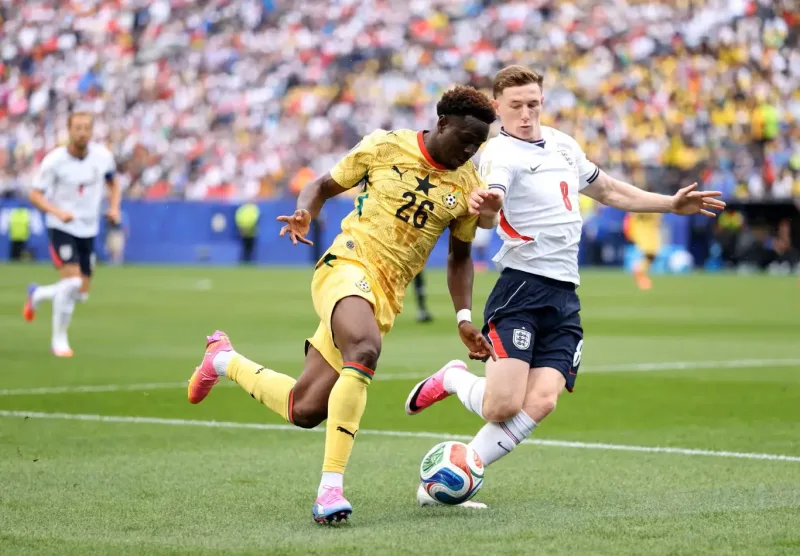
For many years, nations would arrive at major tournaments depending heavily on one or two exceptional players. Today, African teams are producing complete squads capable of competing collectively. Tactical organisation, defensive discipline, technical quality, and squad depth are becoming increasingly common across the continent’s leading football nations.
The rise of African football can also be seen in the growing market value of its players. African talent is no longer viewed as a bargain alternative but as some of the most sought-after talent in world football.
Clubs are investing millions in young African prospects, recognising both their ability and potential to become global superstars.
Yet despite all this progress, challenges remain.
Infrastructure, coaching education, youth development programmes, and domestic leagues still require greater investment across much of the continent.
While nations such as Morocco, Senegal, Egypt, and increasingly others have shown what is possible through long-term planning, many African countries still struggle to build sustainable football ecosystems capable of consistently producing elite talent.
The continent has never lacked talent.
The challenge has always been creating systems capable of nurturing that talent.
The encouraging reality is that those systems are beginning to emerge.
African football is no longer an outsider looking in. It is becoming a genuine force within the global game.
This World Cup serves as another reminder that the future of football is becoming increasingly diverse, competitive, and unpredictable.
As the traditional powers continue to face stronger opposition from across the globe, African nations are proving that they belong among football’s elite.
For years, Africa was referred to as football’s sleeping giant.
Today, that giant is no longer sleeping.
It is awake, growing stronger, and ready to challenge the established order of world football.
-By Capital Reporter-