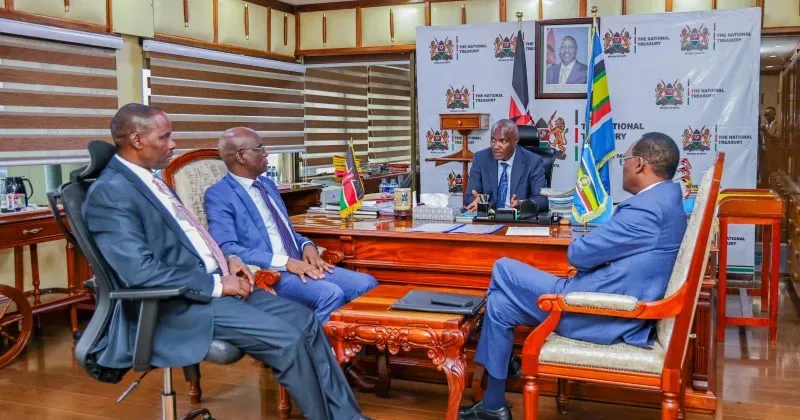
NAIROBI, Kenya, July 22 – The Government will prioritize fiscal discipline, value-for-money budgeting and evidence-based spending to reduce the budget deficit as it kicks off preparations for the 2027/28 Budget.
Treasury Cabinet Secretary John Mbadi outlined agriculture, micro, small and medium-sized enterprises (MSMEs), universal health coverage, affordable housing and the digital economy as the budget’s priority areas.
He also listed the rollout of e-Government Procurement (e-GP), implementation of the Treasury Single Account (TSA), adoption of accrual accounting and the introduction of zero-based budgeting.
Mbadi spoke during the launch of the 2027/28 budget formulation process at the Kenyatta International Convention Centre (KICC), bringing together lawmakers, principal secretaries, development partners, private sector representatives, civil society groups and other stakeholders.
The exercise marks the start of preparing the 2027/28 budget and the medium-term fiscal framework, which will set the government’s spending priorities and revenue targets over the coming years.
National Treasury Principal Secretary Chris Kiptoo said the government remains committed to maintaining macroeconomic stability while protecting priority development programmes.
“Through enhanced domestic revenue mobilisation, rationalised expenditure, stronger spending controls, and improved efficiency in public investment, we will continue to build a resilient economy.”
The budget preparation process begins as the government faces increasing pressure to raise revenue, contain public debt and improve the efficiency of public spending amid growing funding demands across key sectors of the economy.