NAIROBI, Kenya, July 6 – Kenya will have to meet a raft of fiscal, governance and climate-related reforms to access the remaining funds under the recently approved Sh161.8 billion ($1.25 billion) World Bank financing package.
The conditions are contained in the World Bank’s Development Policy Operation (DPO) programme, which ties disbursement of the funds to policy, legal and institutional reforms aimed at strengthening public finance management, environmental sustainability and economic governance.
Among the key requirements is the implementation of climate-focused policies, including reforms to support sustainable urban transport and strengthen the country’s forestry sector.
The World Bank said reforms backed under the programme are expected to improve environmental sustainability, with the proposed Railways Bill set to enhance the regulatory and institutional framework for the rail sector by improving operational efficiency, safety and environmental performance.
“Policy actions aimed at promoting sustainable land use, through institutional reforms, and supporting legislation in the forestry sector supported by the DPO are expected to strengthen sustainable land use and natural resource governance,” the World Bank said.
“The proposed amendments modernize the legal and regulatory framework by strengthening institutional capacity, enhancing oversight and enforcement, promoting sustainable forest management, and expanding economic opportunities in agroforestry and commercial forestry.”
According to the lender, the reforms include decentralising Kenya Forest Service operations, establishing a Kenya Forest Academy and introducing tougher penalties for forest-related offences.
Implementation of the reforms is expected to restore about 250,000 hectares of degraded forest land, contributing to Kenya’s constitutional target of attaining at least 10 percent forest cover.
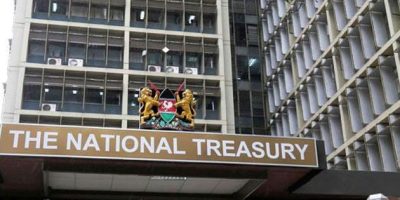
The World Bank has also called on the government to strengthen budget transparency by maintaining public participation during budget preparation through forums organised by the National Treasury and by publishing budget information.
The lender further wants Kenya to improve the integration of public financial management systems with procurement processes to enhance procurement planning, promote value for money, ensure timely payment of suppliers and reduce fiscal risks, off-budget spending and pending bills.
“For effective budget utilization, there is need to strengthen integration between PFM systems and public procurement to create predictable procurement planning, better competition and value for money, timely supplier payments, and reduce fiscal risks, off-budget spending and accumulation of arrears.”
Other reforms required under the programme include improvements in cash management, procurement systems, public investment management, wage bill management and stronger parliamentary follow-up on audit recommendations.
The conditions come after the World Bank approved an initial Sh97.1 billion ($750 million) disbursement under the Development Policy Operation after Kenya met an earlier set of reform targets.
The initial funding forms part of the broader Sh161.8 billion ($1.25 billion) financing package aimed at supporting fiscal sustainability, strengthening governance and promoting resilient economic growth.