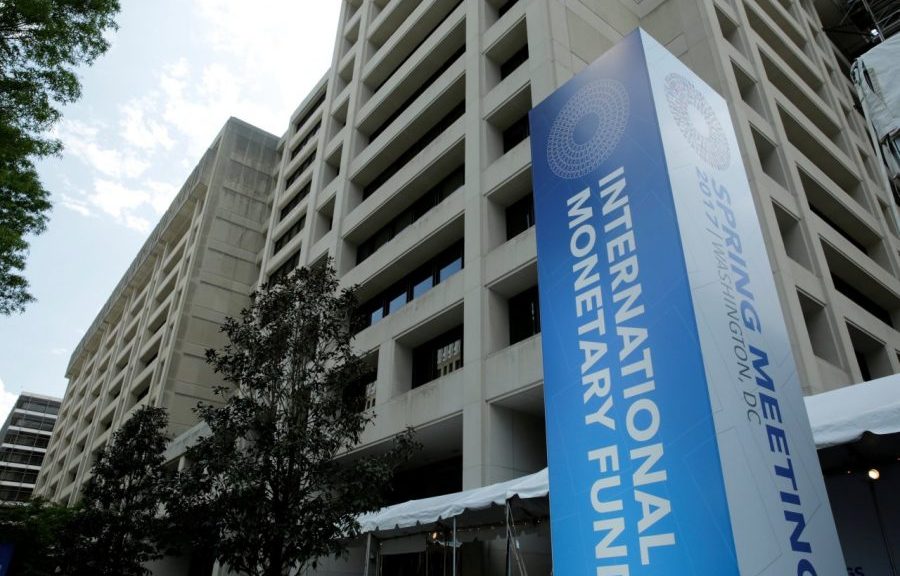
NAIROBI, Kenya, July 6 – A new report has accused the International Monetary Fund (IMF) of continuing to prioritise debt repayment and fiscal austerity over investment in public services, despite its stated commitment to inclusive growth and social spending.
The report, Still Cooking with a Failed Recipe, published by ActionAid, Education International and the Tax and Education Alliance, argues that the IMF’s country-level policy advice continues to focus on fiscal consolidation even as it publicly promotes spending on health, education and social protection.
The study reviewed 29 IMF policy documents covering 11 countries, including Kenya, between February 2022 and February 2025.
Kenya features prominently in the report, with the researchers arguing that IMF-backed fiscal reforms have constrained the government’s ability to expand spending on essential public services as debt servicing continues to consume a significant share of national revenue.
According to the report, Kenya’s external debt stood at about $39.7 billion during the review period, with external debt repayments accounting for 28.7 percent of government revenue—more than three times the share allocated to health.
The report classifies Kenya as being at high risk of debt distress, arguing that rising debt obligations continue to crowd out public investment.
Researchers contend that while IMF policy documents recognise the need to protect vulnerable groups, the accompanying fiscal targets leave governments with limited room to increase spending on health, education and social protection.
The report notes that Kenya’s IMF programme includes commitments to fund cash transfers for vulnerable groups, free primary and secondary education, school feeding programmes, universal health coverage and maternal healthcare, but argues that these initiatives remain constrained by broader fiscal consolidation targets.
It also criticises the IMF’s tax policy advice, saying it continues to rely heavily on indirect taxes while giving limited emphasis to broader progressive tax reforms that could reduce inequality and raise domestic revenue.
Beyond Kenya, the report says the IMF continues to recommend public sector wage restraint, targeted social protection programmes and fiscal tightening across countries with differing economic conditions, suggesting its underlying policy approach has changed little despite a shift in rhetoric.
The findings come as Kenya continues implementing reforms under its IMF programme while seeking to reduce the budget deficit, stabilise public debt and finance spending on healthcare, education and infrastructure.
The IMF has consistently maintained that its policy advice is tailored to individual countries’ economic circumstances and is intended to preserve macroeconomic stability while protecting priority social spending.
It has also maintained that national governments retain the final authority over fiscal policy and tax decisions.
The report calls for reforms to the global financial system, including new sovereign debt restructuring mechanisms and international tax reforms, arguing that developing countries need greater fiscal space to finance development without being constrained by debt repayment obligations.