NAIROBI, Kenya June 16 – The planned fencing of the Tsavo West Rhino Sanctuary has sparked heated debate among communities, conservationists and leaders in parts of Taita Taveta and neighbouring Kajiado County.
While opponents argue the fence could disrupt traditional grazing routes and affect wildlife movement, Taita Taveta leaders are defending the project, insisting it is a necessary intervention to protect endangered species, reduce human-wildlife conflict and unlock economic opportunities for local communities.
Leading the defense is Taita Taveta Governor Andrew Mwadime, who says the project should be viewed not simply as a conservation measure, but as a long-term investment in the county’s future.
Protecting an Endangered Species
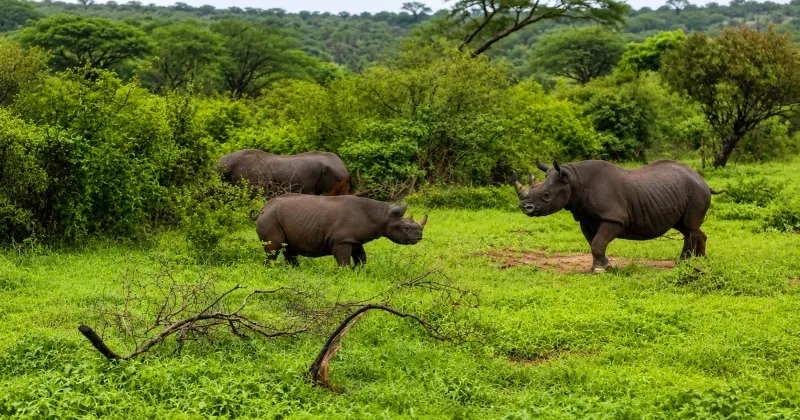
At the center of the project is the protection of the endangered black rhino, one of Kenya’s most iconic but threatened wildlife species.
Governor Mwadime says the Tsavo West Rhino Sanctuary plays a critical role in safeguarding the country’s rhino population and preserving an important part of Kenya’s natural heritage.
“We are not just fencing a sanctuary. We are protecting an endangered species and preserving a national treasure for future generations,” he said.
Supporters argue that improved security around the sanctuary will strengthen conservation efforts and enhance the management of wildlife within the protected area.
Reducing Human-Wildlife Conflict
For years, communities living near Tsavo National Parks have experienced frequent encounters with wildlife.
Residents have often reported crop destruction, livestock losses, property damage and, in some cases, injuries and deaths caused by animals straying into settlements.
According to county leaders, the fencing project is expected to reduce such incidents by helping regulate wildlife movement around the sanctuary.
Mwadime says many families have lived under the constant threat of wildlife invasions for decades and deserve a lasting solution.
The governor argues that the project will promote peaceful coexistence between people and wildlife while reducing losses suffered by residents.
A Potential Economic Boost
Beyond conservation and safety, county leaders see the project as an economic opportunity.
During the construction phase, the project is expected to create jobs for local residents, including machine operators, artisans, skilled workers and casual labourers.
The county government is also encouraging contractors to source materials and services locally, creating opportunities for transport providers, accommodation facilities, suppliers and small businesses.
Mwadime has further called on investors and tourism operators to prioritize local hiring as new opportunities emerge around the sanctuary.
“We want the people of Taita Taveta to be the first beneficiaries of this project,” he said.
Tourism at the Heart of the Plan
Tourism remains one of the county’s key economic pillars, and leaders believe the fencing project could help strengthen the sector.
Plans for additional tourism facilities, including hotels within the sanctuary, are expected to attract more visitors and increase economic activity around the conservation area.
County officials argue that improved conservation outcomes often translate into stronger tourism performance, benefiting both local communities and the wider economy.
Supporters say protecting the sanctuary will make it more attractive to tourists, researchers and conservation partners interested in wildlife protection.
Opposition Persists
Despite the projected benefits, opposition to the project remains strong among some communities and leaders.
Critics fear the fence could block important grazing corridors used by pastoralist communities and interfere with wildlife migration patterns that have existed for generations.
Some residents have also called for greater consultation and public participation before implementation proceeds.
The concerns have fueled protests and renewed debate over how conservation projects can balance environmental protection with the livelihoods of communities living around protected areas.
Looking Beyond the Fence
For Governor Mwadime and other county leaders, the debate is about more than the physical structure being erected around the sanctuary.
They argue that the real question is whether the project can deliver safer communities, stronger conservation outcomes, increased tourism and new economic opportunities.
While the opposition highlights legitimate concerns about access, grazing and wildlife movement, supporters maintain that the long-term benefits outweigh the challenges.
As discussions continue, the future of the Tsavo West Rhino Sanctuary fence is likely to remain one of the most closely watched conservation and development issues in the region.
For now, Taita Taveta leaders are urging residents to consider what they describe as the bigger picture: protecting wildlife, supporting tourism and creating opportunities for future generations.