NAIROBI, Kenya, July 16 – The Ministry of Energy and Petroleum has defended the recent increase in pump prices, attributing it to global price fluctuations and not to domestic fiscal policies such as the securitisation of the Road Maintenance Levy.
Energy and Petroleum Cabinet Secretary Opiyo Wandayi, in a statement Wednesday, clarified that fuel pricing is governed by the Petroleum (Pricing) Regulations, 2022, and is influenced by a combination of landed cost, storage and distribution charges, gross margins, and applicable taxes and levies.
For the pricing period that runs from 15th July to 14th August 2025, the Energy and Petroleum Regulatory Authority (EPRA) considered two consignments each of Super Petrol and Diesel and one of Jet A1 fuel, all delivered between June 10 and July 9.
According to Wandayi, the pricing for these cargoes was based on international oil prices for June 2025, sourced from S&P Global Platts.
“In the latest released prices for the period 15th July 2025-14 August 2025, the Authority considered two (2) cargoes of Super Petrol, two (2) cargoes of Diesel and One (1) cargo of JetAl fuel,” read the statement in part.
“All these cargoes were delivered into the country between the 10th of the previous month (June) and 9th of the current month (July).”
Wandayi dismissed claims that the rise in fuel prices is anchored on the securitisation of the Road Maintenance Levy, which was adjusted in July 2024 from Sh 18 to Sh 25 per litre for both petrol and diesel, stating that the assertions are misleading.
According to Wandai, the government has previously applied price stabilisation measures to cushion consumers from higher pump prices, emphasising its continued commitment to shielding Kenyans from extreme price shocks.
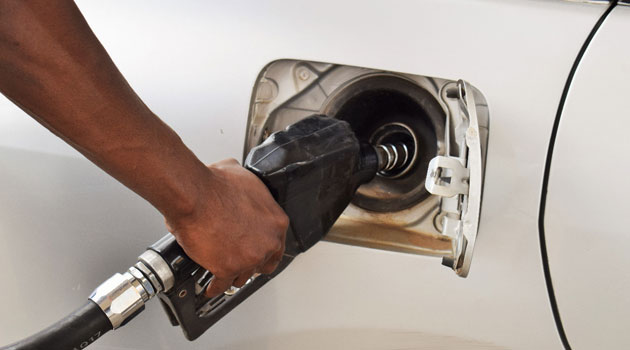
EPRA had on Monday increased fuel prices, with a litre of super petrol rising by Sh8.99 across the country.
In the latest monthly fuel review, diesel and kerosene have also been hiked by Sh8.67 and Sh9.65, respectively, starting at midnight