NAIROBI, Kenya, Oct 26 – A UK-backed solar energy project being tested in Chad is cutting electricity costs for humanitarian agencies by at least 25 per cent, as developers seek funding to expand the model to other countries, including Kenya.
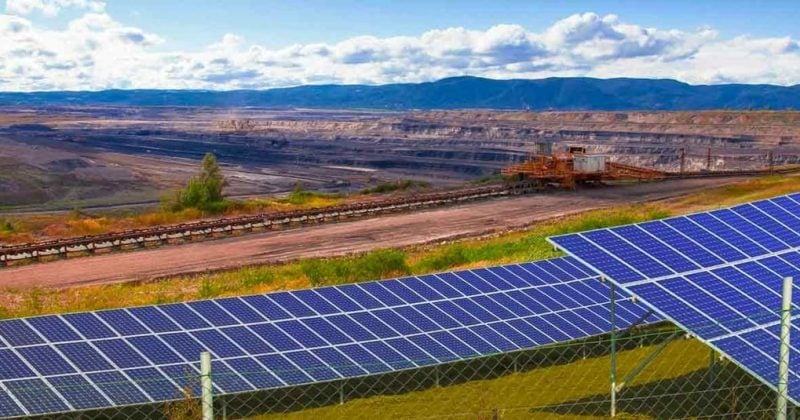
The ZERO project, supported by the UK Government’s Ayrton Fund through the Transforming Energy Access platform and the ZE-Gen initiative, is helping United Nations agencies replace diesel generators with solar power and battery storage.
The project uses an energy-as-a-service model, where agencies pay for the electricity they consume instead of buying, installing and maintaining solar equipment.
The first system is operating at a UN agency’s country office in N’Djamena, Chad, and is expected to reduce generator running time by between 73 and 85 per cent. A second site is under development, with the two installations projected to save about USD 1 million over 10 years.
The initiative comes as humanitarian agencies spend more than USD 100 million annually on diesel generator fuel, exposing their operations to fluctuating fuel prices, supply disruptions and high maintenance costs.
Lily Beadle, ZE-Gen Programme Director at the Carbon Trust, said reducing spending on diesel could free up funds for essential services such as healthcare, water and sanitation.
“Every pound spent on generator fuel is money that cannot be used elsewhere in the humanitarian response,” Beadle said.
She said the initiative was seeking funding and investment partners to expand the project to more humanitarian sites and support other solutions that could reduce reliance on fossil fuels.
The project is delivered by the Access to Energy Institute (A2EI), with support from the Global Platform for Action. A2EI finances, builds and operates the solar systems through local partners, while the platform supports engagement with humanitarian organisations and UN agencies.
The initiative is also exploring expansion into Kenya, Ethiopia, South Sudan and Nigeria, with the aim of developing projects that could attract further investment and deployment from early 2027.
The project is being highlighted ahead of the 2026 Global Off-Grid Solar Forum and Expo, scheduled for October 27 to 29 in Kigali, Rwanda.