NAIROBI, Kenya, Nov 19 – The United Democratic Alliance (UDA) has threatened to boycott future consultative meetings convened by the Independent Electoral and Boundaries Commission (IEBC), with party chairperson Cecily Mbarire accusing aides attached to opposition leaders of harassing government-aligned delegates during Thursday’s engagement in Nairobi.
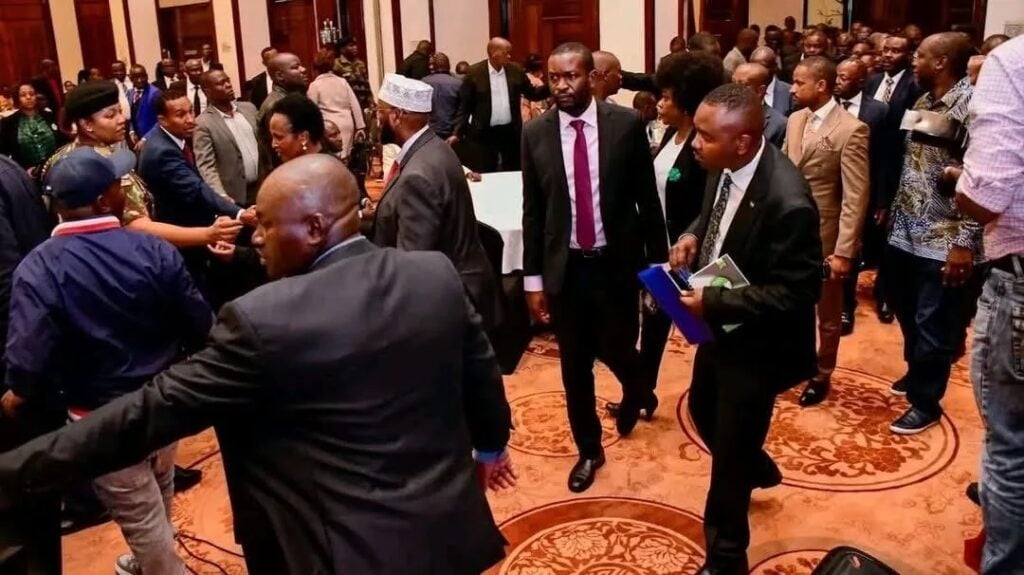
Mbarire protested what she described as intimidation and disruption by individuals she said were not recognised security officers, claiming they interfered with seating arrangements and subjected some UDA officials to unnecessary embarrassment.
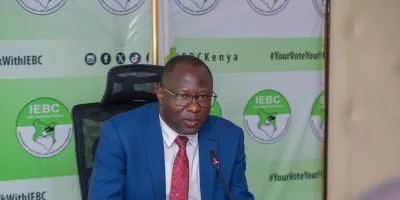
The Embu Governor challenged IEBC chairperson Erastus Ethekon to take charge of the commission’s meetings and ensure that only authorised participants and security personnel were allowed into the venue.
“We will not attend any more of your meetings. You tell me why we need people from outside. They are not even known bodyguards. They come here to harass us and take away seats from some of us. That’s not fair,” Mbarire said.
She questioned how the commission could guarantee a free and fair General Election if it could not maintain order and protect participants during stakeholder consultations.
“If you cannot take charge of your own meeting and ensure that the people who enter the room while you are holding the meeting are people who ought to come, then you tell me how you run a general election,” she said.
Mbarire insisted that political parties attending the consultations should be treated equally, warning against what she termed preferential treatment of some leaders at the expense of others.
She demanded that IEBC rely on uniformed police officers for security instead of individuals she accused of harassing delegates.
“If you need security, bring police officers in uniform. Not some guys here who are, you know, literally harassing everybody else,” she said.
The UDA chairperson further warned that her party would not participate in future engagements unless the commission addressed the concerns and guaranteed equal treatment of all political stakeholders.
“I believe when we come here, we are equal as political party leaders. There’s no one who is more equal than the other in this meeting. Treat us as equal stakeholders in these meetings,” she added.
Her remarks came amid heightened tensions at the IEBC consultative meeting, which was also disrupted by a walkout staged by opposition leaders led by former Deputy President Rigathi Gachagua, Wiper Party leader Kalonzo Musyoka and Nairobi Senator Edwin Sifuna.
The opposition leaders walked out after rejecting the agenda presented by the electoral commission, arguing that it failed to incorporate key electoral reforms and concerns they had raised on behalf of Kenyans ahead of the August 2027 General Election.
Gachagua accused the commission of failing to respond to repeated correspondence seeking structured engagement on electoral preparations, saying the opposition had been excluded from determining the issues to be discussed.
He cited letters dated May 10 and June 24, 2026, which he said had been sent to Ethekon but received no response.
The former Deputy President said the opposition could not participate in discussions that ignored concerns raised by the public and proposed that a team led by former Chief Justice David Maraga be allowed to engage IEBC officials in developing a more comprehensive agenda.
“We feel that any discussion that does not include those issues given to us by the people of Kenya would not be meaningful and will not be useful to the country,” Gachagua said.
He maintained that the opposition remained willing to engage the commission but wanted the outstanding concerns incorporated into the discussions, proposing that another meeting be scheduled as early as next week.
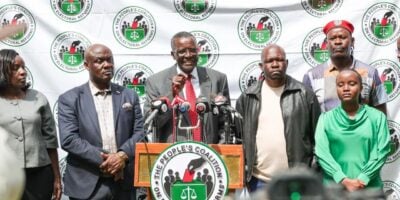
The walkout followed a meeting of opposition leaders under the People’s Coalition on Electoral Reforms, convened by Maraga alongside former Attorney General Justin Muturi and ODM’s Caroli Omondi.
During the meeting, the coalition outlined four major proposals it wants addressed before the next General Election.
They include cleaning up the voter register by eliminating duplicate, deceased and ineligible voters, abolishing the national presidential tallying centre at Bomas of Kenya, introducing electronic voting for Kenyans living abroad and making livestreaming of voting, counting and results announcements mandatory at polling stations and tallying centres.
The opposition wants presidential results declared at constituency tallying centres to be final, with the national centre at Bomas restricted to receiving, aggregating and announcing results already declared at constituency level.
Maraga said the proposals would form the basis of the coalition’s engagement with the electoral commission, arguing that the changes were necessary to strengthen transparency, accountability and public confidence in the electoral process.
The coalition also raised concerns about the independence of the commission, with leaders insisting that IEBC must be adequately prepared and insulated from political interference.
Thursday’s meeting had been convened by Ethekon as part of efforts to engage political parties and other stakeholders on preparations for the 2027 polls.
The IEBC chairperson had urged political leaders to cooperate with the commission, saying the electoral body intended to broaden consultations with stakeholders from the following week.
“We shall be meeting with all stakeholders from next week,” Ethekon said.
However, the rival complaints from UDA and opposition leaders exposed the challenges facing the commission as it seeks to build consensus among political players ahead of the elections.
While the opposition wants the commission to expand its agenda to accommodate substantive electoral reforms, UDA is demanding tighter control of meeting access, security arrangements and equal treatment of political party representatives.
The developments place Ethekon under pressure to address concerns from both sides and ensure that future consultations provide a platform for substantive discussions without intimidation or disruption.
With the 2027 General Election approaching, the commission’s ability to maintain the confidence of competing political formations is likely to remain central to discussions on electoral preparedness and the credibility of the next polls.