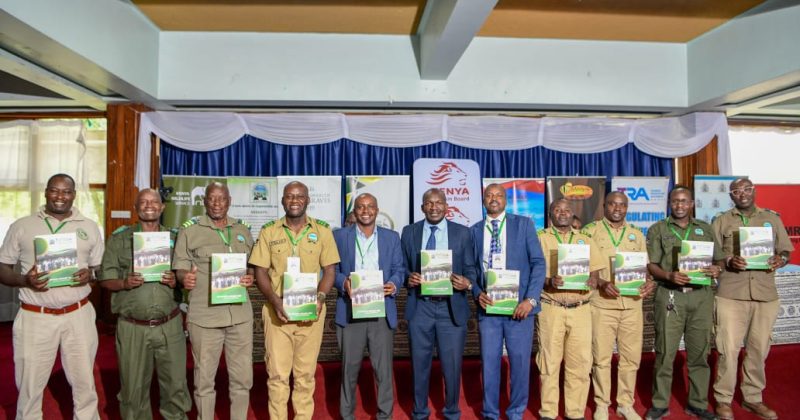
NAIROBI, Kenya, May 9 — Tour guides from across the region have made a strong case for greater recognition and reform in the tourism sector during the inaugural East Africa Tour Guide Conference held in Nairobi.
Under the theme “Storytellers of Africa: Tour Guides in Africa’s Tourism Economy,” the event brought together hundreds of guides, industry leaders, policymakers, and training institutions to highlight the critical role that guides play in shaping tourist experiences, preserving culture, and driving economic value.
“We are more than just guides—we are cultural ambassadors, conservationists, and frontline hosts,” said Felix Migoya, Chairman of the East Africa Tour Guides and Drivers Association (EATGDA). “Yet our voices are often the last to be heard.”
With Kenya targeting 5 million international visitors annually, delegates at the conference emphasized that professional tour guides — through their storytelling skills and local knowledge — are key to enhancing visitor satisfaction, encouraging longer stays, and driving repeat business.
“Tour guides are the bridge between travelers and destinations,” said Daniel Mbugua, Chairman of the Tour Operator Society of Kenya. “As travel becomes more digital and experience-driven, guides must be at the center of Kenya’s tourism strategy.”
Participants raised concerns about outdated regulatory frameworks, unlicensed practitioners, and the lack of support systems, including weak digital platforms and limited access to training. Speakers also called for the creation of a national certification board and better inclusion of guides in national tourism planning and marketing.
“We need a policy that clearly defines who a guide is and sets standards for training, licensing, and career growth,” said Kennedy Kaunda, Group CEO of EATGDA. “Without regulation, imposters flood the industry, damaging Kenya’s global reputation.”
The issue of seasonality and competitiveness also surfaced, with stakeholders warning that high park fees and limited value offerings risk pushing tourists to neighboring destinations like Tanzania.
“Tourists are spending more time and money elsewhere,” said Mbugua. “We must offer more immersive experiences and embrace innovation or risk falling behind.”
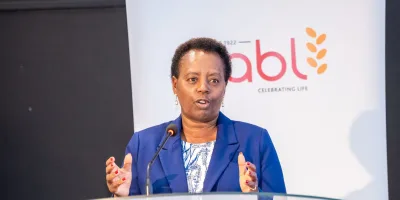
Calls for greater inclusivity were also made, especially around improving access to the profession for women, youth, and persons with disabilities. Nairobi County’s Chief Officer for Gender and Inclusivity, Mariam Dahir, pledged the county’s support for inclusive policies and training investments.
“This conference is a springboard for greater collaboration,” she said. “Guides turn itineraries into experiences and should be at the heart of tourism planning.”
The organizers expressed hope that the conference would become an annual platform for reform, professionalization, and growth in East Africa’s tourism sector.