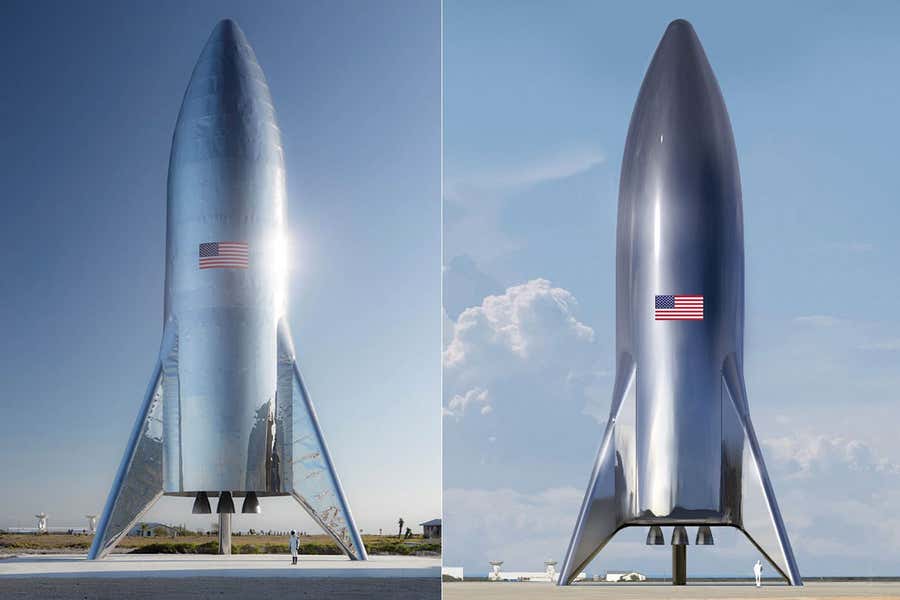
LOS ANGELES, Nov. 18 (Xinhua) — SpaceX’s giant new rocket Starship on Saturday blasted off on its second test flight but ended prematurely with an explosion minutes after launch.
Starship successfully lifted off under the power of all 33 Raptor engines on the Super Heavy Booster at about 7:04 a.m. Central Time from SpaceX’s Starbase in the U.S. state of Texas, according to SpaceX.
Starship made it through a successful stage separation, said SpaceX.
However, the booster experienced a “rapid unscheduled disassembly” after stage separation and boostback burn while Starship’s engines fired for several minutes on its way to space, according to SpaceX.
It was the second integrated flight testing with the second launch of Starship.
“With a test like this, success comes from what we learn, and today’s test will help us improve Starship’s reliability as SpaceX seeks to make life multiplanetary,” SpaceX said.
The company said it will share more information as the team reviews data from Saturday’s test.
The spacecraft was designed to send astronauts to the Moon, Mars and beyond.